
 by
by 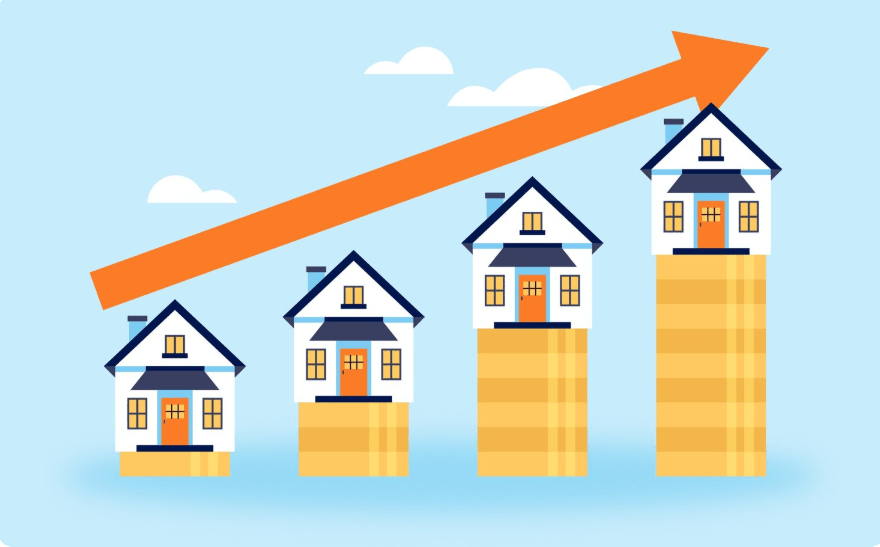
Inflation has become a major part of everyday life in Nigeria. From food and transportation to building materials and rent, prices continue to rise, putting pressure on households, businesses, and investors. One sector that feels this impact strongly is the real estate market. Many Nigerians now ask an important question: how does inflation affect property prices in Nigeria?
Property prices in Nigeria do not exist in isolation. They are closely tied to economic conditions such as inflation, interest rates, income levels, and the overall cost of living. When inflation increases, the value of money changes, and this directly influences how much people pay for land, houses, and rental properties across the country.
Understanding the relationship between inflation and property prices is important for homebuyers, landlords, and real estate investors. Whether you are planning to buy a house, invest in land, or earn rental income, knowing how inflation shapes property values can help you make better financial decisions.
In this article, we break down how inflation affects property prices in Nigeria, using clear explanations and real-world context. By the end, you’ll have a solid understanding of why property prices rise or stabilize during inflationary periods and what it means for the Nigerian real estate market.
Also Check: Landlord Friendly Rent Increase Letter: How to Write One + Sample Format in Nigeria
What Is Inflation?
Inflation simply means a general increase in the prices of goods and services over time, which leads to a reduction in the purchasing power of money. In other words, when inflation rises, the same amount of money buys fewer things than it did before.
A simple way to understand inflation in Nigeria is to think about everyday expenses. If ₦1,000 could comfortably buy a basket of food last year but can no longer do so today, inflation is at work. The money has not changed physically, but its value has reduced.
Inflation happens for several reasons. In Nigeria, common causes include an increase in the money supply, high cost of imports, fuel price changes, exchange rate fluctuations, and supply challenges such as poor infrastructure or insecurity. When the cost of producing or importing goods rises, businesses often pass those costs to consumers.
Another important aspect of inflation is that it affects income and savings. If salaries do not increase at the same pace as inflation, people find it harder to maintain their standard of living. Savings kept as cash also lose value over time, which is why inflation is a major concern for individuals trying to protect their wealth.
In Nigeria, inflation is usually measured and reported by official agencies (like the National Bureau of Statistics) using consumer price data. While the figures may vary from month to month, the real impact of inflation is felt daily through higher prices and reduced spending power.
Also Check: Difference Between C of O, Deed of Assignment & Governor’s Consent
Overview of Nigeria’s Real Estate Market
Nigeria’s real estate market is one of the largest and most active in Africa, driven by a growing population, rapid urbanization, and increasing demand for housing and commercial spaces. As more people move to cities in search of better opportunities, the pressure on available property continues to rise.
Major urban centers such as Lagos, Abuja, Port Harcourt, Ibadan, and Benin City play a key role in shaping the property market. These cities attract businesses, government institutions, and individuals, making them hotspots for residential and commercial real estate activities.
The Nigerian real estate market is broadly divided into different segments. These include residential properties such as houses, flats, and apartments; commercial properties like offices, shops, and warehouses; and land, which remains one of the most popular forms of property ownership in the country. Each segment responds differently to economic conditions, demand levels, and location factors.
Despite its growth, the sector also faces notable challenges. Issues such as housing deficits, limited access to mortgage financing, infrastructure gaps, and regulatory hurdles affect property development and affordability. At the same time, real estate remains attractive to many Nigerians because it is viewed as a long-term store of value and a means of building wealth.
Overall, Nigeria’s real estate market continues to evolve, shaped by economic trends, government policies, and changing consumer needs. Understanding this market structure is essential before examining how broader economic factors influence property prices.
Also Check: Residential vs Commercial Property: Which Is Better?
How Inflation Directly Affects Property Prices in Nigeria
Inflation has a clear and measurable impact on property prices in Nigeria. As the cost of goods and services rises across the economy, the real estate sector responds through higher prices, increased rent, and changing affordability levels. Below are the main ways inflation directly influences property prices.
Increase in Construction Costs
One of the most direct ways inflation affects property prices in Nigeria is through the rising cost of construction. Building materials such as cement, iron rods, roofing sheets, tiles, paint, and electrical fittings often become more expensive during inflationary periods. Labour costs also rise as workers demand higher pay to cope with increased living expenses.
When developers spend more to build houses, they typically transfer these costs to buyers. As a result, newly built properties are listed at higher prices, pushing overall property prices upward, especially in high-demand urban areas.
Rising Cost of Land
Land prices in Nigeria are also strongly affected by inflation. As the value of money declines, land becomes more attractive as a store of value, leading to increased demand. Many investors prefer to hold land rather than cash during inflation, which drives prices higher.
In cities and fast-growing areas, limited land availability further intensifies this effect. Sellers adjust prices upward to reflect inflation, making land increasingly expensive over time.
Higher Rent Prices
Inflation directly impacts rental property prices through rent increases. As living costs rise, landlords face higher expenses such as property maintenance, taxes, service charges, and utilities. To maintain profitability, many landlords increase rent prices.
In Nigeria, this often results in annual or periodic rent adjustments, especially in urban centers where housing demand is high. Tenants feel the pressure as rent consumes a larger portion of household income during inflationary periods.
Mortgage and Interest Rate Impact
Inflation often leads to higher interest rates as financial authorities attempt to control rising prices. When interest rates increase, mortgage loans become more expensive and less accessible.
In Nigeria, where mortgage access is already limited, higher interest rates further reduce the number of people who can afford property financing. This affects buyer demand and influences how properties are priced, particularly in the middle- and upper-income segments of the market.
Also Check: Top 10 Real Estate Companies in Nigeria [latest Update]
Indirect Effects of Inflation on Property Prices
Beyond its immediate impact on construction costs, rent, and land values, inflation also influences property prices in Nigeria in more subtle ways. These indirect effects shape how people earn, spend, and make long-term property decisions, which in turn affects the real estate market.
Reduced Purchasing Power
One major indirect effect of inflation is the reduction in purchasing power. As prices rise across the economy, household income often struggles to keep up. Even when salaries increase, they may not match the pace of inflation.
This reduced purchasing power affects how much buyers can afford to spend on property. Many potential homeowners delay buying decisions or shift their focus to smaller or less expensive properties. Over time, this change in affordability influences pricing patterns, especially in areas targeting middle-income earners.
Shift in Buyer and Investor Behavior
Inflation also changes the way buyers and investors behave in the property market. Uncertainty in the economy often pushes people to rethink their financial priorities.
Some buyers become more cautious, preferring to wait or explore alternative locations. At the same time, investors may favor properties they believe will hold value better over time. These behavioral shifts affect demand levels across different property types and locations, indirectly shaping property prices.
Impact on Property Demand
Changes in income levels, affordability, and investor confidence can lead to uneven property demand. In Nigeria, demand may remain strong in major cities and high-growth areas, while slowing down in less developed locations.
This uneven demand means property prices do not move uniformly across the country. Some areas continue to see price growth, while others experience slower appreciation or price stability, depending on local economic conditions and population movement.
Also check: Digital Marketing in Real Estate: Meaning, Benefits, and Why It Is Essential Today
Does Inflation Increase or Decrease Property Value in Nigeria?
Inflation can both increase and stabilize property values in Nigeria, depending on several factors such as timing, location, and property type. There is no single outcome, which is why understanding the conditions around inflation is important.
In many cases, inflation tends to push property values upward over the long term. As the value of money declines, tangible assets like land and buildings often become more expensive. Property owners adjust prices to reflect higher replacement costs and changing market conditions, leading to gradual price increases.
However, inflation does not automatically lead to higher property values in every situation. During periods of high inflation, reduced purchasing power and higher financing costs can limit how much buyers are willing or able to pay. This can slow down price growth, especially in areas where demand is already weak.
Location plays a major role in determining the outcome. Properties in major cities and high-demand neighborhoods often retain or increase their value despite inflation. In contrast, properties in less active markets may experience slower appreciation or remain flat.
Property type also matters. Land and rental properties often respond differently to inflation compared to luxury or highly priced homes. These differences explain why inflation can increase property values in some segments of the Nigerian market while having a more neutral effect in others.
Also Check: 15 Reasons Why Real Estate is the Best Investment
Inflation and Real Estate Investment in Nigeria
Inflation plays a significant role in shaping real estate investment decisions in Nigeria. As the cost of living rises and the value of money changes, investors pay closer attention to how their assets perform over time. Real estate often attracts attention during inflationary periods because of its tangible nature and long-term value potential.
For many Nigerian investors, property is seen as a way to preserve wealth when inflation reduces the value of cash savings. Unlike money kept in a bank account, real estate assets tend to adjust in price over time, reflecting broader economic conditions. This makes property investment an important consideration during periods of rising inflation.
However, inflation also introduces risks for investors. Higher operating costs, uncertain demand, and changing income levels can affect returns. Successful real estate investment during inflation depends on careful analysis of location, property type, and long-term demand rather than short-term price movements.
Is Real Estate a Hedge Against Inflation in Nigeria?
Real estate is often considered a hedge against inflation in Nigeria, but its effectiveness depends on market conditions. Property values and rental income have the potential to increase over time, which can help offset the declining value of money.
Rental properties, in particular, offer the possibility of income adjustments as living costs rise. Land investments may also benefit from long-term appreciation, especially in growing areas. However, not all properties perform equally well, and poor location or low demand can limit inflation protection.
Real estate should therefore be viewed as a long-term investment strategy rather than a guaranteed shield against inflation.
Best Property Types During Inflation
Different property types respond differently to inflation in Nigeria. Investors often focus on assets that are more likely to maintain demand over time.
Residential rental properties in populated areas tend to perform relatively well because housing remains a basic need. Land in developing or high-demand locations is also commonly favored due to its long-term appreciation potential. Commercial properties may offer opportunities, but they often depend heavily on business activity and economic stability.
Choosing the right property type during inflation requires a clear understanding of demand patterns and long-term growth prospects.
Also Check: How Many Square Meters Make a Plot? The Complete Land Measurement Guide
How Property Buyers Can Protect Themselves from Inflation
Buying property during periods of inflation can be challenging, but informed decisions can help buyers reduce risk and protect their investment. In Nigeria’s economic environment, careful planning is essential to avoid overpaying or facing long-term financial strain.
One important approach is timing and preparedness. Buyers who plan ahead and act early often have more options and bargaining power than those who wait until prices rise further. Delays can expose buyers to higher costs as inflation continues to push prices upward.
Location also plays a critical role. Properties in areas with strong demand, growing infrastructure, and economic activity are more likely to retain value over time. Buyers should prioritize locations with proven demand rather than focusing only on short-term price considerations.
Another key factor is financial discipline. Inflation can make borrowing more expensive and unpredictable. Buyers should avoid overstretching their finances and ensure that mortgage or payment obligations remain manageable even if economic conditions change.
Finally, buyers should focus on long-term value rather than short-term gains. Properties that meet real housing needs, such as well-located residential units, tend to perform better over time. A long-term mindset helps buyers absorb inflation-related fluctuations while protecting the overall value of their investment.
Also Check: Land Sale Agreement Sample in Nigeria (Free Download in Word & PDF Format)
How Property Sellers and Landlords Benefit from Inflation
Inflation does not affect everyone negatively. For property sellers and landlords in Nigeria, it can create opportunities to increase income and protect wealth.
One of the main benefits is capital appreciation. As construction costs, land values, and demand rise during inflation, sellers can often list their properties at higher prices. This allows them to earn more when selling, especially in high-demand urban areas like Lagos, Abuja, or Port Harcourt.
Landlords also benefit through rent adjustments. With rising living costs, it is common for landlords to increase rent periodically to match inflation. This helps maintain profitability and ensures rental income keeps pace with the economy. Properties in sought-after locations or with consistent tenant demand are particularly advantageous during such periods.
Additionally, inflation encourages property ownership as a store of value. Sellers holding on to land or developed properties can preserve wealth better than keeping cash, which loses value during inflation. In this way, real estate serves as a hedge, giving property owners both security and potential financial growth.
By understanding these dynamics, property sellers and landlords in Nigeria can make strategic decisions, whether it’s the right time to sell, invest in improvements, or adjust rental prices to maximize returns.
Also Check: Different Types of Houses in Nigeria with Names + Pictures
How Inflation Affects Property Prices in Nigeria: Final Thoughts
Inflation plays a significant role in shaping Nigeria’s property market. From construction costs and land prices to rent adjustments and investment behavior, the effects of inflation are far-reaching. Understanding these dynamics is essential for homebuyers, investors, landlords, and sellers who want to make informed decisions in a constantly changing economy.
For buyers, careful planning, strategic location choices, and long-term thinking can help protect against inflation’s challenges. Sellers and landlords, on the other hand, can benefit from capital appreciation and rent adjustments, using property as a store of value during inflationary periods. Real estate remains a viable hedge against inflation when approached with knowledge and foresight.
Ultimately, navigating Nigeria’s property market successfully requires staying informed about economic trends, local market conditions, and government policies. By doing so, individuals and investors can make sound decisions, safeguard their wealth, and take advantage of opportunities even in times of inflation.


Join The Discussion