
 by
by 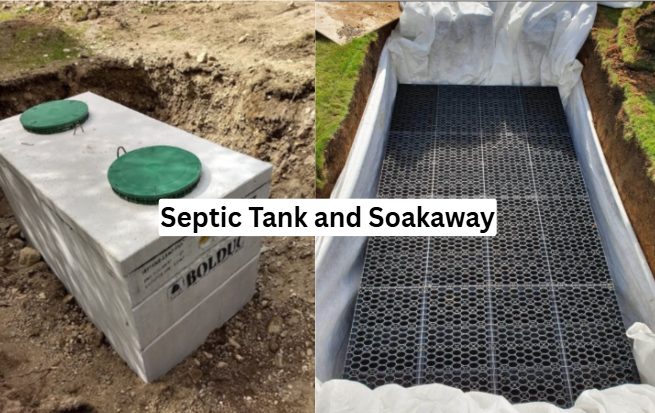
When planning a reliable wastewater disposal system for a home or building, two terms often appear together: septic tank and soakaway. Although they are closely connected, they are not the same thing. Understanding the difference between septic tank and soakaway is important for homeowners, builders, and property developers who want a system that is hygienic, efficient, and suitable for their land conditions.
A well-designed wastewater system relies on different components working together to manage household waste safely and efficiently. Knowing how each component contributes to the overall process can help prevent common problems such as poor drainage, unpleasant odors, and system failure. It can also guide property owners when discussing installation, inspection, or maintenance with professionals.
In this guide, we will explain how a septic tank works, what a soakaway does, and the key differences between them. By the end, you will have a clearer understanding of septic tank and soakaway systems and why both are essential for effective wastewater disposal.
So, if this is what you are looking for, continue reading. You are in the right place!
Also Check: Top Cleaning Services in Lagos: 15 Top Companies for Homes, Offices, & Deep Cleaning
What Is a Septic Tank?
A septic tank is an underground wastewater treatment chamber commonly used in properties that are not connected to a public sewer system. It receives wastewater from household sources such as toilets, bathrooms, kitchens, and laundry areas, where the waste is held long enough for natural separation to occur.
Inside the tank, heavier solid particles settle at the bottom and form a layer called sludge. Lighter materials such as oils and grease rise to the top and create a scum layer. Between these two layers is partially clarified liquid, known as effluent, which is able to move out of the tank for further disposal.
The primary function of a septic tank is to separate and partially treat wastewater before the liquid effluent is discharged to the next stage of the system. This process reduces the amount of solid waste that reaches the soil and helps improve the efficiency of the overall septic tank and soakaway setup.
Also Check: Top 7 Home Renovations That Actually Increase Property Value
What Is a Soakaway?
A soakaway is a drainage system designed to disperse liquid effluent into the surrounding soil. It usually receives wastewater after it has passed through a septic tank, making it an important component of the final disposal stage in a septic tank and soakaway system.
A soakaway may be constructed as a pit, trench, or drainage field filled with materials such as gravel, stones, or perforated pipes. These materials create spaces that allow the effluent to spread out and gradually infiltrate the soil. As the liquid moves through the ground, natural soil processes help filter and further treat the wastewater.
The effectiveness of a soakaway depends on several factors, including soil permeability, groundwater level, and proper system design. Soils that drain well allow the effluent to be absorbed efficiently, while poorly draining soils may cause waterlogging, surface pooling, or foul odors.
A soakaway does not perform the same treatment function as a septic tank. Instead, its role is to safely disperse the treated liquid into the soil.
Also Check: Current Price of Cement in Nigeria: Present Prices of Dangote, BUA & Lafarge Cement
Difference Between Septic Tank and Soakaway
The difference between septic tank and soakaway lies mainly in their function within a wastewater disposal system. Although they are connected components, each serves a distinct purpose.
A septic tank is responsible for the treatment and separation of wastewater. It receives waste from the property and allows solids, liquids, and floating materials to separate naturally. This process reduces the amount of solid waste that moves forward in the system.
A soakaway, on the other hand, is responsible for the final disposal of liquid effluent. It receives the partially treated wastewater from the septic tank and allows it to infiltrate the surrounding soil. Its main purpose is drainage and dispersion rather than treatment.
| Feature | Septic Tank | Soakaway |
|---|---|---|
| Main function | Separates and partially treats wastewater. | Disperses liquid effluent into the soil. |
| Type of waste handled | Both solid and liquid waste. | Mainly liquid effluent. |
| Position in the system | First treatment stage. | Final disposal stage. |
| Key process | Settlement of solids and formation of sludge/scum layers. | Infiltration of effluent through the soil. |
| Maintenance need | Periodic desludging or pumping. | Inspection for clogging and proper drainage. |
In simple terms, the septic tank treats and separates wastewater, while the soakaway disposes of the treated liquid.
Also Check: Price of Sharp Sand in Nigeria: Current Cost Per Trip, Ton & Truckload
How a Septic Tank and Soakaway Work Together
A septic tank and soakaway operate as connected stages of a complete wastewater disposal system. While each component has a separate function, the system works efficiently only when both parts perform their roles properly.
- Wastewater collection: Wastewater from toilets, bathrooms, kitchens, and other household drains flows into the septic tank.
- Separation and partial treatment: Inside the septic tank, solids settle at the bottom, oils and grease float to the top, and the remaining liquid becomes partially clarified.
- Effluent transfer: The clarified liquid, known as effluent, exits the septic tank through an outlet pipe.
- Soil infiltration: The effluent flows into the soakaway, where it is gradually dispersed and absorbed into the surrounding soil.
- Natural filtration: As the liquid passes through the soil, natural biological and physical processes help further reduce contaminants.
In this arrangement, the septic tank protects the soakaway by reducing the amount of solid waste that reaches it. If solids were allowed to enter the soakaway in large quantities, they could clog the soil and reduce the system’s ability to drain properly.
Likewise, the soakaway completes the disposal process by safely returning the treated liquid to the ground. Without an effective soakaway, the effluent leaving the septic tank would have no suitable outlet, which could lead to pooling water, unpleasant odors, or system failure.
Together, these components form a balanced system: the septic tank manages treatment and separation, while the soakaway handles final drainage and dispersion. This partnership is what makes a properly designed septic tank and soakaway system effective for long-term wastewater management.
Also Check: How Much Is a Unit of Electricity in Nigeria in 2026? Full Breakdown of Tariffs and Cost Per kWh
Which One Is More Important?
When comparing septic tank and soakaway systems, it is not accurate to say that one is more important than the other. Both components perform different but equally necessary functions within a complete wastewater disposal system.
The septic tank is responsible for separating solids from wastewater and providing the initial stage of treatment. Without this process, large amounts of solid waste could enter the drainage area and cause blockages or system failure.
The soakaway is responsible for safely dispersing the liquid effluent into the surrounding soil. Even if the septic tank is functioning properly, the system cannot operate effectively if the soakaway is unable to absorb and drain the effluent.
Therefore, the septic tank and soakaway should be viewed as complementary parts of the same system. The septic tank prepares the wastewater for disposal, while the soakaway completes the disposal process. If either component fails, the entire wastewater management system can become ineffective.
Also Check: Latest House Painting Designs in Nigeria (Beautiful Color Trends for Modern Homes)
Common Problems With Septic Tanks and Soakaways
Like any wastewater system, septic tank and soakaway installations can develop problems over time. Identifying these issues early can help prevent costly repairs and maintain proper sanitation.
Common septic tank problems
- Sludge buildup: Accumulated sludge can reduce the tank’s capacity and interfere with proper wastewater separation.
- Overflow: A full or blocked septic tank may overflow, causing foul odors and potential contamination around the property.
- Slow drainage: Wastewater may drain slowly from sinks, toilets, or showers if the septic tank or outlet pipe is obstructed.
- Damage to the tank: Cracks or structural damage can allow untreated wastewater to leak into the surrounding ground.
Common soakaway problems
- Clogging: Solids or excessive grease entering the soakaway can block the drainage area and reduce soil absorption.
- Soil saturation: Poorly draining soil may become saturated, leading to standing water or surface pooling.
- Foul odors: Bad smells near the soakaway area may indicate poor drainage or a failing system.
- Reduced absorption capacity: Over time, the soil around the soakaway may lose its ability to absorb effluent effectively.
Maintenance Tips for Both Systems
Proper maintenance is essential for keeping a septic tank and soakaway system functioning efficiently and preventing premature failure.
Septic tank maintenance tips
- Arrange regular desludging or pumping according to the tank size and household usage.
- Avoid flushing non-biodegradable materials such as wipes, sanitary products, plastics, and chemicals.
- Use water efficiently to prevent excessive strain on the septic system.
- Inspect the tank periodically for signs of leakage, damage, or unusual odors.
Soakaway maintenance tips
- Keep the soakaway area free from heavy structures and vehicle traffic, which can compact the soil and reduce drainage.
- Monitor the area for standing water or persistent wet patches, as these may indicate drainage failure.
- Ensure that solids are not entering the soakaway by maintaining the septic tank properly.
- Inspect the system periodically for signs of clogging, foul odors, or reduced absorption.
Regular care of both components helps extend the lifespan of the system and ensures that wastewater is treated and disposed of safely.
Also Check: Living Room Decoration in Nigeria: Modern Ideas, Designs & Budget-Friendly Tips
Difference Between Septic Tank and Soakaway: Final Thoughts
The difference between septic tank and soakaway becomes clearer when you view them as two coordinated stages of the same wastewater management process. One component prepares wastewater for disposal, while the other ensures that the treated liquid is returned safely to the environment.
For property owners, this distinction is more than just technical knowledge. It can influence decisions about system design, installation quality, inspection schedules, and long-term maintenance costs. A well-planned septic tank and soakaway system not only supports proper sanitation but also helps protect surrounding soil and groundwater from contamination.
Choosing the right setup depends on factors such as soil permeability, property size, groundwater level, and local environmental guidelines. Because these conditions vary from one location to another, professional assessment is important before installation or major repairs are carried out.
By understanding how each component contributes to the overall system, homeowners can make more informed choices and recognize early warning signs when maintenance is needed. A properly designed and well-maintained septic tank and soakaway system remains a dependable solution for effective wastewater disposal.
Looking for a property in Nigeria? Explore a wide range of properties available on Amapha!



Join The Discussion