
 by
by 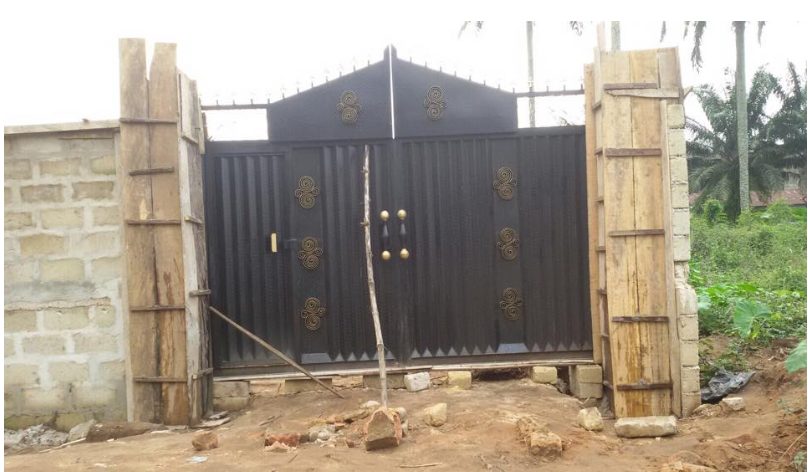
Buying land in Nigeria is a big achievement—whether it’s for building your dream home, starting a project, or simply investing for the future. But one mistake many landowners make after purchase is delaying one critical step: fencing the land immediately.
At first glance, it may seem unnecessary. You might think, “I’ll fence it when I’m ready to build.” Unfortunately, that delay can expose your land to serious risks—ranging from encroachment and disputes to outright land grabbing. In many parts of Nigeria, an unfenced plot can quickly attract unwanted attention, especially if it appears abandoned or unclaimed.
Fencing your land is not just about putting up blocks or wire—it’s a clear and physical statement of ownership. It shows that the land is actively claimed, monitored, and protected. In fact, many experienced property investors will tell you that fencing is one of the smartest and most cost-effective decisions you can make immediately after purchase.
In this article, you’ll discover 7 powerful reasons why fencing your land right away is not optional but essential, especially in the Nigerian real estate environment. If you truly want to protect your investment and avoid costly problems in the future, this is a step you should never ignore.
Let’s ride!
Also Check: Is It Better to Buy a House or Build One in Nigeria? (Full 2026 Guide)
What Does It Mean to Fence Your Land in Nigeria?
Fencing your land in Nigeria simply means physically securing and marking the boundaries of your property using visible structures such as blocks, concrete walls, barbed wire, or other protective materials. It is one of the earliest and most practical steps landowners take after completing a purchase.
In the Nigerian context, fencing goes beyond aesthetics—it serves as proof of possession and control. While your legal documents (like Deed of Assignment or Survey Plan) establish ownership on paper, a fence reinforces that ownership on the ground. It clearly shows where your land starts and ends, making it difficult for others to claim ignorance or trespass.
There are different ways to fence land depending on your budget and purpose:
- Block fencing (sandcrete or concrete walls): The most secure and permanent option
- Barbed wire fencing: A cheaper, temporary solution for marking boundaries
- Wooden or bamboo fencing: Common in rural areas as a low-cost alternative
- Combination fencing: Blocks at the base with wire or rods on top for added security
Even a simple fence—no matter how basic—can make a huge difference. It signals that the land is owned, monitored, and not available for encroachment. In many cases, just seeing a fenced plot is enough to discourage land grabbers, illegal occupants, or neighboring extensions.
In short, fencing your land is not just about enclosing space—it is about protecting your investment, asserting ownership, and preventing future problems before they start.
Also Check: Land Flipping in Nigeria: A Complete Guide to Buying and Selling Land for Profit
7 Powerful Reasons You Should Fence Your Land Immediately After Purchase
Fencing your land is not just a routine step—it’s a strategic move that protects your investment, prevents future problems, and gives you full control over your property. Below are seven powerful reasons why you should never delay fencing your land after purchase, especially in Nigeria.
1. Prevents Land Grabbing and Encroachment
One of the biggest threats to landowners in Nigeria is unauthorized occupation. When your land is not fenced, it becomes an easy target for encroachers or even land grabbers. A visible fence acts as a strong deterrent, signaling clearly that the land is already claimed and protected.
2. Clearly Defines Ownership Boundaries
Fencing helps you establish clear physical boundaries for your land. Even if you have a survey plan, disputes can still arise without visible demarcation. A fence removes ambiguity and ensures that everyone—including neighbors—respects your exact space.
3. Reduces Future Land Disputes
Boundary issues are one of the most common causes of land conflicts in Nigeria. By fencing your land early, you eliminate confusion and reduce the chances of disputes when you’re ready to develop or sell the property.
4. Protects Your Investment from Illegal Use
Unfenced land is often misused. People may dump waste, farm on it, or even start building temporary structures. Fencing helps you maintain control and prevents unauthorized activities that could damage or devalue your property.
5. Makes Resale or Development Easier
A fenced property is more attractive to buyers and developers. It shows that the land is well-managed and secured, which increases buyer confidence. If you plan to build later, fencing also helps you start construction faster without clearing disputes first.
6. Improves Security and Site Control
Fencing allows you to monitor who enters your land and how it is used. Whether you plan to visit occasionally or leave it for some time, having a fence gives you peace of mind knowing that your property is not exposed.
7. Sends a Strong Signal of Ownership
In Nigeria, physical presence matters. A fenced land sends a clear message: this property is owned, active, and not available. This simple action alone can prevent many problems before they even begin.
Fencing your land may seem like an additional expense, but in reality, it is a smart and necessary investment. The cost of fencing is often far less than the cost of resolving disputes, reclaiming land, or fixing damage caused by neglect.
Also Check: Top Property Listing Sites in Nigeria
How Much Does It Cost to Fence Land in Nigeria?
The cost of fencing land in Nigeria is not fixed—it varies widely depending on factors like location, materials, fence type, and labor. However, having a realistic estimate will help you plan properly and avoid surprises.
Average Cost of Fencing a Plot in Nigeria (2025)
For a standard plot (usually 50 × 100 ft or 60 × 120 ft), here’s a general breakdown:
- Basic barbed wire fencing:
₦500,000 – ₦1,000,000+ - Short block fence (4–5 blocks high):
₦1.2 million – ₦1.5 million+ - Full block fence (8–10 blocks + gate):
₦2.5 million – ₦4 million+ - High-end or reinforced fencing:
₦4 million and above
These estimates depend heavily on your location and the current price of building materials.
What You’re Actually Paying For
When you fence your land, the cost is not just “blocks and cement.” It includes:
- Clearing and excavation
- Foundation work (very important for durability)
- Blocks, cement, sand, granite
- Iron rods and pillars
- Labor (masons, welders, workers)
- Gate installation
- Transportation of materials
Each of these contributes to the final cost.
Key Factors That Affect Fencing Cost
Even for the same plot size, two people can spend very different amounts. Here’s why:
- Location:
Fencing in Lagos or Abuja is more expensive than in smaller cities - Type of fence:
Barbed wire is cheap, while concrete fencing is more expensive but secure - Height of the fence:
Taller fences = more blocks and cement - Soil condition:
Swampy or rocky land increases foundation cost - Material prices:
Cement, blocks, and iron fluctuate frequently in Nigeria - Design and finishing:
Plastered, painted, or decorated fences cost more
Important Insight (Very Realistic)
Many landowners delay fencing because of cost—but here’s the truth:
The cost of not fencing your land can be far higher
You could end up spending:
- More money settling disputes
- Legal fees
- Rebuilding after encroachment
Also Check: Difference Between C of O, Deed of Assignment & Governor’s Consent
When Is the Best Time to Fence Your Land After Purchase?
The simple and most accurate answer is this: Immediately after purchase.
In Nigeria, timing plays a crucial role in land ownership and protection. The longer you delay fencing your land, the higher the risk of facing problems like encroachment, disputes, or illegal use. That’s why experienced property buyers and investors treat fencing as an urgent first step—not something to postpone.
Fence Your Land as Soon as Ownership Is Confirmed
Once you have:
- Completed payment
- Collected your documents (Deed of Assignment, Receipt, Survey Plan)
- Taken physical possession of the land
The next smart move is to secure it immediately. Waiting weeks or months—even years—is where many landowners make costly mistakes.
Why Immediate Fencing Is So Important
In many parts of Nigeria, land that is left open quickly attracts encroachers or land grabbers, may be mistaken as unclaimed or abandoned, and can be tampered with before you return.
Even if you’re not ready to build yet, fencing shows that: “This land is owned and monitored.”
What If You Can’t Afford Full Fencing Yet?
This is a very common situation—and there’s a smart way to handle it:
Start with temporary fencing immediately, such as barbed wire, wooden stakes, and a basic boundary. markings. Then upgrade later to a full block fence when you have the budget. Never leave your land completely open.
Best Time Based on Your Purpose
- For investment: Fence immediately to protect value
- For future building: Fence before leaving the land idle
- For resale: Fence early to increase buyer confidence
No matter your goal, early fencing always gives you an advantage. Many people usually say, “I’ll fence it when I’m ready to build.” But in reality, you should fence it so you can safely delay building.
Also Check: Residential vs Commercial Property: Which Is Better?
Simple Steps to Fence Your Land Properly in Nigeria
Fencing your land properly is not just about putting up a structure—it’s about doing it right from the beginning so you don’t face problems later. Many landowners rush the process or leave everything to workers, and that’s where costly mistakes happen. If you follow the right steps, you’ll end up with a fence that is not only strong but accurate and long-lasting.
1. Confirm Your Land Boundaries
The very first thing you must do is ensure you are fencing the correct portion of land. Your survey plan should guide you, but don’t rely on assumptions. If possible, bring in a surveyor to point out the exact beacons. This step is crucial because fencing the wrong boundary can lead to serious disputes with neighbors, and correcting it later can be expensive and stressful.
2. Clear the Land Properly
Once the boundaries are confirmed, the land needs to be cleared. Bushes, trees, and any form of obstruction should be removed so that the fencing work can follow a straight and accurate path. A well-cleared land not only makes construction easier but also ensures that your fence sits exactly where it should.
3. Decide the Type of Fence
At this stage, you need to choose the type of fence that suits your budget and purpose. Some landowners go for barbed wire as a temporary solution, while others prefer a solid block fence for long-term security. There is no one-size-fits-all approach—the most important thing is to secure the land immediately, even if you plan to upgrade later.
4. Lay a Strong Foundation
This is one of the most important parts of the entire process. A fence is only as strong as its foundation. Proper trenching, solid concrete work, and well-reinforced pillars are essential to prevent collapse. Many fences fail not because of poor materials, but because the foundation was not done properly.
5. Build to the Right Height
The height of your fence should match your goal. If you’re only marking boundaries, a lower fence may be enough. But if security is your priority, a higher fence is more effective. You can also enhance it with additional security features like barbed wire on top to make it more protective.
6. Install a Gate
Adding a gate gives your land a more controlled and organized appearance. It allows you to regulate access and strengthens the impression that the property is actively owned and managed. Even a simple gate can make a significant difference.
7. Supervise the Work Closely
One mistake many people make is leaving everything to workers without supervision. Being present during the process helps you ensure that materials are used properly, the fence follows the correct alignment, and the quality of work meets your expectations. This step alone can save you from unnecessary losses.
8. Maintain Your Fence Over Time
After the fence is completed, it’s important to keep an eye on it. Occasional visits to the land and quick repairs of any damage will help maintain its strength and purpose. A well-maintained fence continues to protect your land effectively for years.
Fencing your land properly is not about rushing—it’s about being intentional at every stage. When done right, it becomes a strong, lasting protection for your investment and peace of mind for you as the owner.
Also Check: Top 10 Real Estate Companies in Nigeria [latest Update]
Other Important Things to Do After Buying Land in Nigeria
Buying land is a big achievement, but what you do immediately after the purchase is what truly determines whether that investment remains safe or becomes a future problem. Fencing is important, no doubt—but it is only one part of a bigger picture. To fully protect your land in Nigeria, there are other essential steps you should take seriously.
1. Secure and Verify All Your Documents
After completing the purchase, your first responsibility is to make sure all your documents are intact, genuine, and properly executed. This includes your Deed of Assignment, survey plan, and payment receipt. Don’t assume everything is correct—take time to review them carefully or involve a legal professional if necessary. In Nigeria, your documents are your strongest proof of ownership, and any mistake or missing detail can create serious issues later.
2. Begin the Registration Process
Owning land without proper government recognition can leave you vulnerable. That’s why it’s important to begin the process of registering your land as soon as possible. Whether it’s obtaining a Certificate of Occupancy or carrying out other forms of title registration, this step strengthens your legal standing and gives you peace of mind. It may take time, but it is a step you should never ignore.
3. Maintain a Physical Presence
One of the simplest yet most effective ways to protect your land is by showing that it is not abandoned. Visiting your land occasionally helps you stay aware of what is happening around it. It also sends a clear message to people in the area that the land is actively owned and monitored. In many cases, just your presence can prevent issues before they even begin.
4. Install a Clear Signboard
A signboard might seem like a small detail, but it carries a strong message. Placing a notice such as “Not for Sale” or including your contact information makes it clear that the land is not available for unauthorized transactions. It reduces the chances of fraud and discourages anyone who might be tempted to take advantage of the land’s openness.
5. Build Relationships Within the Community
Land ownership in Nigeria is not just about documents and structures—it also involves people. Getting familiar with those around your land, including neighbors and community leaders, can be very helpful. These individuals often serve as your first line of information, especially when you are not around. A good relationship can mean early warnings and added protection.
6. Consider Monitoring the Land
If your land is located far from where you live or in a developing area, it may be wise to have someone keep an eye on it. This doesn’t have to be anything complicated, but having a trusted person who can occasionally check the land can prevent misuse and alert you to any issues early enough.
7. Have a Clear Plan for the Land
Finally, it’s important to decide what you intend to do with the land. Whether your goal is to build, sell, or hold it for future value, having a clear direction helps you stay proactive. When you have a plan, you are less likely to neglect the land, and more likely to take the right steps at the right time.
Also Check: 15 Reasons Why Real Estate is the Best Investment
Final Verdict
If there’s one clear takeaway from everything discussed, it is this: fencing your land immediately after purchase is not optional—it is essential.
In Nigeria, land ownership goes beyond having documents. What truly protects your investment is your ability to take control of the land physically and visibly. Leaving your land open, even for a short period, exposes you to risks that can quickly turn into costly problems. From encroachment and disputes to illegal use and land grabbing, the consequences of delay are often far more expensive than the cost of fencing itself.
On the other hand, taking action early puts you in a position of strength. A fenced land sends a clear message that the property is owned, secured, and not available for interference. It gives you peace of mind and allows you to plan your next steps—whether building, selling, or holding—without unnecessary worries.
Even if you’re working with a limited budget, the smartest move is to start with what you can afford. A temporary fence today is far better than leaving your land completely exposed. You can always upgrade later, but the protection you establish now is what truly matters.
At the end of the day, land is a valuable asset—and like every valuable asset, it must be protected. The difference between a safe investment and a problematic one often comes down to how quickly and wisely you act after purchase.
So don’t wait. Don’t assume. Don’t delay. Fence your land—and secure your future.


Join The Discussion