
 by
by 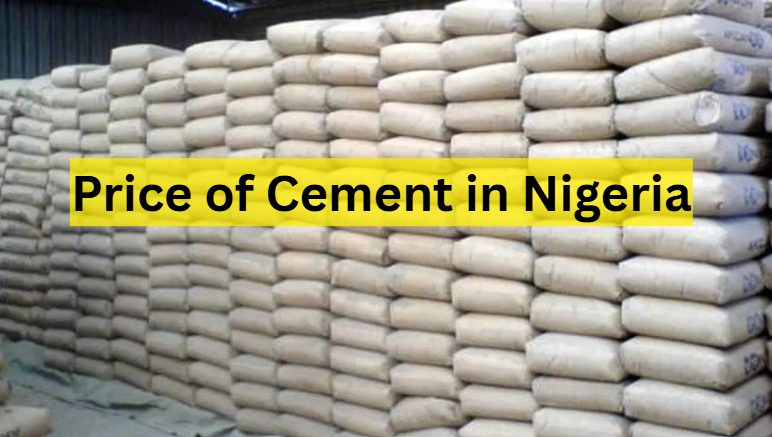
Cement remains one of the most important building materials in Nigeria, making its cost a major concern for homeowners, contractors, developers, block manufacturers, and anyone planning a construction project. Whether you are building a residential house, commercial property, fence, drainage system, or concrete structure, understanding the current price of cement in Nigeria can help you estimate costs more accurately and avoid unexpected expenses.
Over the years, cement prices in Nigeria have been influenced by several factors, including production costs, transportation charges, energy prices, market demand, and economic conditions. As a result, prices may vary across states, cities, and suppliers, making it essential for buyers to stay informed before making purchasing decisions.
In this guide, you’ll find the latest cement prices in Nigeria, including current rates for Dangote, BUA, and Lafarge cement. We will also compare the major brands, examine the factors affecting market prices, discuss the best cement options for different construction needs, and provide practical tips for buying genuine cement products from reliable sources.
Whether you’re planning a small renovation or a large building project, this article will help you make informed decisions and budget effectively for your construction needs. So, if this is what you are looking for, continue reading, you are in the rigt place!
Also Check: Price of Sharp Sand in Nigeria: Current Cost Per Trip, Ton & Truckload
Current Price of Cement in Nigeria Today
Just as we stated previously, the price of cement in Nigeria continues to fluctuate due to changes in production costs, transportation expenses, energy prices, and regional demand. As a result, the amount you pay for a bag of cement may vary depending on your location, the brand you choose, and whether you are buying in retail or wholesale quantities.
Across major cities such as Lagos, Abuja, Port Harcourt, Kano, Enugu, and Benin City, cement prices are generally within a similar range, although buyers in areas located farther from manufacturing plants often pay slightly higher rates because of increased logistics costs. Wholesale buyers, distributors, contractors, and developers usually enjoy lower per-bag prices compared to individuals purchasing smaller quantities from local building material stores.
Nigeria’s cement market is largely dominated by three major manufacturers: Dangote Cement, BUA Cement, and Lafarge Cement. These brands account for the vast majority of cement used in residential, commercial, and infrastructure projects across the country. While their prices are often close, slight differences can exist depending on market conditions, dealer pricing, and availability within a particular region.
Without a doubt, understanding the current market rates is important for accurate project budgeting. Even a small increase in the cost of a single bag can significantly affect the total construction budget when hundreds of bags are required for a project.
Below is a detailed breakdown of the current price of cement in Nigeria (Dangote Cement, BUA Cement, and Lafarge Cement), including their retail prices, wholesale rates, common applications, and their presence across the Nigerian market.
Price of Dangote Cement in Nigeria
When talking about the price of cement in Nigeria, the emphasis is mostly on Dangote Cement. This is because the company remains the largest and most widely distributed cement brand in Nigeria. Its extensive distribution network and strong brand reputation have made it a preferred choice for many contractors, engineers, block manufacturers, and property developers.
Current Price Per Bag
A 50kg bag of Dangote Cement currently sells for approximately ₦10,000 to ₦13,000.
Current Wholesale Prices
Wholesale buyers purchasing directly from distributors or depots may obtain rates ranging from approximately ₦8,500 to ₦11,500 per bag. Larger purchases typically attract better pricing.
Suitable Construction Applications
Dangote Cement is commonly used for:
- Residential building projects
- Structural concrete works
- Foundation construction
- Reinforced concrete elements
- Block moulding
- Commercial developments
- Road and infrastructure projects
Market Presence
With manufacturing plants and distribution channels spread across Nigeria, Dangote Cement enjoys one of the strongest market presences in the country. It is readily available in most urban and rural building material markets, making it one of the easiest cement brands to source nationwide.
Also Check: Solar Panel Prices in Nigeria: 100W, 300W, 500W, 1000W, Jinko Solar & More
Price of BUA Cement in Nigeria
BUA Cement has grown into one of Nigeria’s leading cement manufacturers and is widely recognized for its strong presence across both northern and southern markets. The brand is frequently used in residential and commercial construction projects due to its broad availability and competitive pricing.
Current Price Per Bag
A 50kg bag of BUA Cement currently sells for approximately ₦9,500 to ₦12,500. Prices may differ between states due to transportation and distribution costs.
Current Wholesale Prices
Wholesale buyers purchasing in large quantities can generally obtain lower rates through approved distributors and depot operators, particularly when ordering truckloads or multiple pallets.
Suitable Construction Applications
BUA Cement is commonly used for:
- House construction
- Concrete casting
- Foundation works
- Floor screeding
- Block production
- Commercial building projects
Market Presence
As the second-largest cement producer in Nigeria, BUA Cement maintains a strong distribution network and enjoys substantial market share across numerous states, particularly in northern Nigeria while continuing to expand nationwide.
Price of Lafarge Cement in Nigeria
Lafarge Cement remains one of the most established cement brands in Nigeria and has built a strong reputation among construction professionals. The company offers several cement products designed for different building and engineering applications.
Current Price Per Bag
A 50kg bag of Lafarge Cement currently sells for approximately ₦9,000 to ₦12,000.
Current Wholesale Prices
Wholesale purchases generally attract lower rates than retail transactions, especially for contractors, distributors, and developers buying in bulk quantities.
Suitable Construction Applications
Lafarge Cement is widely used for:
- Residential developments
- Commercial construction
- Concrete structures
- Foundation works
- Pavements and walkways
- Block moulding
- Civil engineering projects
Market Presence
Lafarge maintains a significant footprint within Nigeria’s construction industry and is available through numerous distributors, depots, and building material markets across the country.
Table of Current Price of Cement in Nigeria (Dangote, BUA, & Lafarge)
The table below displays the current price of cement in Nigeria across the major manufacturers:
| Cement Brand | Retail Price Per Bag | Wholesale Price Per Bag |
|---|---|---|
| Dangote Cement | ₦10,000 – ₦13,000 | ₦8,500 – ₦11,500 |
| BUA Cement | ₦9,500 – ₦12,500 | Varies by quantity and location |
| Lafarge Cement | ₦9,000 – ₦12,000 | Varies by quantity and location |
Note: Cement prices vary across states, distributors, and market conditions. The figures above are indicative market ranges and may change over time.
Also Check: What Is a Gazette in Nigerian Real Estate? Is Gazette Land Safe to Buy?
Factors Currently Driving Cement Prices in Nigeria
The price of cement in Nigeria is influenced by a combination of economic, industrial, and market-related factors. While major manufacturers strive to maintain stable pricing, changes in production and distribution costs can have a direct impact on the amount consumers ultimately pay.
Manufacturing Costs
Cement production requires significant investment in raw materials, equipment maintenance, plant operations, and labor. Any increase in operational expenses can affect the final market price of cement. Modern cement plants also require continuous upgrades and maintenance to sustain production efficiency, which contributes to overall production costs.
Energy and Fuel Prices
Energy remains one of the largest expenses in cement manufacturing. Cement plants depend heavily on electricity, natural gas, coal, and other energy sources to power production processes. Increases in fuel prices often lead to higher production and transportation costs, which may eventually be reflected in market prices.
Transportation Expenses
Moving cement from manufacturing plants to distributors, wholesalers, retailers, and construction sites involves substantial logistics costs. Since cement is a heavy product, transportation expenses can significantly affect pricing, particularly in regions located far from production facilities. Poor road conditions and rising haulage costs can further increase distribution expenses.
Market Demand
Demand for cement often rises during periods of increased construction activity. Large infrastructure projects, housing developments, commercial construction, and government projects can place additional pressure on supply chains. When demand increases significantly, market prices may adjust accordingly.
Government Policies
Government decisions relating to taxation, energy, transportation, infrastructure, and industrial development can influence cement production and distribution costs. Policies that support local manufacturing may help stabilize supply, while broader economic conditions can affect pricing across the construction sector.
Also check: Real Estate vs Agriculture in Nigeria: Which Investment Is More Profitable?
Which Cement Brand Is Best for Building Projects?
There is no single cement brand that is universally best for every construction project. The right choice depends on the nature of the work, structural requirements, budget, availability, and the recommendations of qualified construction professionals. Fortunately, Dangote Cement, BUA Cement, and Lafarge Cement are all widely accepted within Nigeria’s construction industry and are used successfully across various project types.
For Residential Construction
For residential projects such as bungalows, duplexes, apartments, and perimeter fences, Dangote, BUA, and Lafarge Cement are all commonly used. Homeowners often prioritize availability, consistency, and ease of purchase when selecting a brand. Since residential construction typically involves multiple stages over an extended period, choosing a cement brand that is readily available within the local market can help prevent supply interruptions.
For Commercial Buildings
Commercial projects such as office complexes, shopping centers, schools, hotels, and industrial facilities often require large volumes of cement and strict quality control. Contractors handling these projects generally focus on supply reliability, product consistency, and the ability to source large quantities when needed. All three major brands have established distribution networks capable of supporting large-scale commercial developments.
For Block Production
Block manufacturers frequently consider factors such as workability, consistency, and production efficiency. Since block making involves repeated mixing and moulding processes, many producers prefer a cement brand that delivers uniform performance across multiple production cycles. Availability and cost per bag also play an important role because they directly affect production expenses and profit margins.
For Concrete Works
Concrete applications such as foundations, columns, beams, slabs, drainage systems, retaining walls, and reinforced structural elements require careful material selection and proper mix design. The quality of aggregates, water, workmanship, and engineering supervision often have as much impact on project performance as the cement brand itself. When used according to recommended construction standards, Dangote, BUA, and Lafarge Cement can all contribute to durable and reliable concrete structures.
Ultimately, the best cement for any project is one that meets the project’s technical requirements, is sourced from a genuine supplier, and is used correctly alongside quality construction materials and professional workmanship.
Also check: 7 Reasons You Should Fence Your Land Immediately After Purchase
Where to Buy Cement in Nigeria
Now that you know the current price of cement in Nigeria, where are you going to effectively and conveniently buy?
In case you don’t know, finding a reliable source of cement is just as important as choosing the right brand. Purchasing from trusted sellers can help ensure product quality, accurate pricing, and proper storage conditions. Whether you are buying a few bags for a small project or ordering truckloads for a major construction site, understanding the available purchasing channels can help you make better decisions.
Authorized Distributors
One of the safest ways to buy cement is through authorized distributors approved by the manufacturer. These distributors typically receive their supplies directly from cement plants or official distribution centers, reducing the risk of counterfeit products entering the supply chain.
Buying from authorized distributors may also provide additional benefits such as bulk purchase discounts, delivery options, and access to current market pricing. Contractors, developers, and wholesale buyers often prefer this option when purchasing large quantities.
Building Material Markets
Building material markets remain one of the most common places to purchase cement in Nigeria. These markets are found in major cities and towns across the country and usually offer multiple brands from different suppliers.
The advantage of buying from building material markets is the ability to compare prices, negotiate with sellers, and source other construction materials in the same location. However, buyers should take time to verify product authenticity and inspect storage conditions before making a purchase.
Direct Factory Supply Options
Large-scale contractors, distributors, and developers may choose to purchase directly through manufacturer-approved channels. Direct supply arrangements are often suitable for projects that require substantial quantities of cement over an extended period.
Depending on the manufacturer and order volume, buyers may benefit from more competitive pricing and a more consistent supply schedule than what is typically available through retail outlets.
Also Check: Latest House Painting Designs in Nigeria (Beautiful Color Trends for Modern Homes)
How to Identify Original Cement and Avoid Counterfeit Products
Counterfeit building materials can create serious problems for construction projects. Poor-quality or fake cement may compromise structural integrity, reduce durability, and lead to avoidable repair costs. Knowing how to identify genuine products can help protect both your investment and the safety of the finished structure.
Packaging Checks
Original cement manufacturers invest heavily in branded packaging that contains clear product information and consistent design features. Before purchasing, carefully inspect the bag for:
- Clear and professionally printed branding.
- Consistent logos and product markings.
- Proper weight specifications.
- Legible manufacturing information.
- Absence of suspicious alterations or tampering.
Damaged, poorly printed, or unusually packaged bags should be examined more carefully before purchase.
Manufacturing Information
Genuine cement bags typically contain important manufacturing details that help identify the product. Buyers should look for information such as:
- Manufacturing date.
- Batch or production number.
- Product grade.
- Manufacturer details.
- Quality certification information where applicable
- These details can help confirm that the product originated from a legitimate production source.
Distributor Verification
Purchasing from trusted suppliers remains one of the most effective ways to avoid counterfeit products. If you are unsure about a seller, consider verifying whether they operate as an authorized distributor or have an established reputation within the local construction industry.
Storage Condition Checks
Even genuine cement can lose quality if it is stored improperly. Cement should be kept in dry, protected environments away from moisture and excessive exposure to the elements.
When inspecting a purchase, look for signs such as:
- Torn or damaged bags.
- Evidence of water exposure.
- Hardened lumps inside the bag.
- Excessive dust leakage from packaging.
- Poor warehouse storage conditions.
Also Check: 20 Litre Paint Price in Nigeria: Latest Prices by Brand & Type
Current Price of Cement in Nigeria: Final Thoughts
Cement is more than just another construction material—it is one of the key components that influences the cost, quality, and long-term durability of a building project. While many buyers focus primarily on finding the lowest price, making informed purchasing decisions often involves balancing cost, product availability, project requirements, and supplier reliability.
As construction costs continue to evolve across Nigeria, staying updated with the current price of cement in Nigeria can help individuals and businesses plan more accurately, avoid budget overruns, and improve overall project management. Whether you are building a new home, producing blocks, expanding a commercial property, or managing a large-scale development, understanding the cement market gives you a better foundation for making sound financial decisions.
Rather than relying on outdated pricing information, it is advisable to compare quotes from multiple suppliers and verify current rates before making a purchase. Cement prices can vary between locations and may change over time due to factors affecting production and distribution.
By keeping track of market trends and purchasing from trusted sources, you can reduce unnecessary costs, maintain construction quality, and ensure that your project progresses smoothly from foundation to completion.
Do you know? Aside from the price of cement in Nigeria, we have other interesting things for you! Visit our properties page to explore all the latest properties available in the country!

Join The Discussion