
 by
by 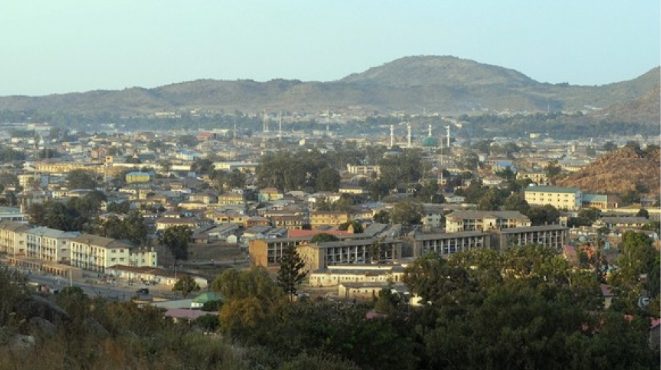
Plateau State is home to some of the most economically active and socially vibrant communities in Northern Nigeria — and understanding which local governments generate the most wealth can reveal a lot about business opportunities, migration patterns, infrastructure development, and quality of life across the state. In this guide, we explore the richest local governments in Plateau State, highlighting the urban centers and growing economic hubs that contribute significantly to the state’s revenue, commerce, and internal development.
From the bustling commercial activities of Jos to the expanding agricultural and trade-driven economies in emerging LGAs, wealth in Plateau State is shaped by multiple factors — including population density, business concentration, government presence, natural resources, market systems, and internally generated revenue (IGR). While official financial records for every LGA are not always publicly released, economic indicators, development patterns, and socio-commercial activity provide a reliable picture of which local governments stand out as the wealthiest.
Whether you’re a researcher, investor, student, or resident who wants to understand where the strongest economic activities in Plateau State are concentrated, this ranking offers an insightful look into the LGAs driving growth, employment, commerce, and urban expansion across the state. Let’s take a closer look at the top 10 richest local governments in Plateau State and what makes them the major economic powerhouses they are today.
Also Check: The Richest Local Government in Kogi State: Top 10 Richest & Key Facts
How Wealth Is Measured in Local Governments
Before ranking the richest LGAs in Plateau State, it’s important to understand what we mean by “richest.” In Nigeria, many local governments do not publish detailed revenue reports or financial breakdowns publicly — so the best way to evaluate economic strength is by analyzing reliable development and activity indicators.
For this ranking, we looked at multiple factors that reflect real-life economic performance, growth potential, and revenue-generating capacity across each LGA. These include:
Internally Generated Revenue (IGR) potential
We considered areas with higher levels of business registration, taxation activities, and service-based enterprises — which typically contribute more to IGR.
Commercial and market activity
LGAs with busy markets, transportation hubs, shopping clusters, hotels, schools, corporate offices, and service industries tend to generate stronger economic output.
Population size and urbanization level
More urban and densely populated areas usually support stronger trade, real estate development, and business growth.
Presence of industries and major institutions
Local governments that host government headquarters, educational institutions, mining activity, large farms, or industrial clusters generally have more economic influence.
Infrastructure, road networks, and business accessibility
Areas with better roads, housing development, electricity coverage, and transport routes attract more investment and commercial traffic.
Rather than relying on assumptions, this approach focuses on visible economic indicators, development patterns, and real sector activity that reflect how wealth is created and distributed across Plateau State LGAs.
This ensures that the ranking is not just a list — but a meaningful, research-driven assessment of the strongest and most economically active local governments in Plateau State.
Also Check: The Richest Local Government in Benue State (Top 10)
Top 10 Richest Local Governments in Plateau State
Below is the list of the top 10 richest Local Governments in Plateau State:
1. Jos North LGA — The Commercial and Economic Powerhouse of Plateau State
Jos North is widely regarded as the richest and most economically active local government in Plateau State — and for good reason. It is the urban heart of the state, home to major business districts, corporate offices, banks, hotels, government agencies, schools, and some of the busiest markets in Northern Nigeria.
Areas like Terminus, Ahmadu Bello Way, Tafawa Balewa, Farin Gada, and Bauchi Road attract traders, students, civil servants, entrepreneurs, and migrants from different parts of the country. The blend of commerce, education, and administrative activity makes the LGA a major driver of internally generated revenue (IGR).
Key economic strengths of Jos North include:
- Highly concentrated commercial hubs and retail activity
- Presence of major government and administrative institutions
- Large student population supporting services and housing markets
- Hotels, hospitality businesses, restaurants, and entertainment centers
- Strong transport and inter-city movement network
The LGA also benefits from years of historical mining activity and longstanding trade routes that shaped Jos into a regional economic center.
With continuous urban expansion, thriving business districts, and constant population inflow, Jos North stands firmly as the most financially vibrant and richest local government in Plateau State.
2. Jos South LGA — Urban Growth, Government Presence, and Real Estate Expansion
Jos South ranks as one of the richest local governments in Plateau State. Thanks to its unique blend of government presence, residential development, hospitality businesses, and educational institutions.
The LGA is home to the Plateau State Government headquarters, which attracts a large population of civil servants, contractors, policymakers, and administrative workers. This creates a strong demand for housing, transport services, hotels, retail shops, and business offices — all of which contribute significantly to economic activity.
Major communities such as Bukuru, Du, Kuru, Gyel, and Vom have experienced steady urban growth over the years, gradually transforming Jos South into a thriving suburban economic zone.
Economic features that make Jos South stand out include:
- Government institutions and administrative offices
- Rapidly expanding real estate and residential estates
- Growing shopping centers and business plazas
- Schools, training centers, and private institutions
- Improved road networks linking Jos to surrounding communities
Because of its strategic location and strong urban-residential appeal, Jos South continues to attract investors, property developers, hospitality businesses, and service-based enterprises — making it one of the richest and fastest-growing LGAs in Plateau State.
Also Check: The Richest Local Government in Ebonyi State (Top 5 Ranked)
3. Mangu LGA — Agriculture, Trade, and a Fast-Growing Local Economy
Mangu is one of the most economically influential local governments in Plateau State, especially in the areas of agriculture, food supply, and inter-state trade. The LGA is known for its fertile land and large-scale farming activities, making it a major production hub for crops such as maize, potatoes, vegetables, sorghum, millet, and livestock.
Because of its strong agricultural base, Mangu attracts traders, farmers, suppliers, transporters, wholesalers, and food merchants from different parts of Plateau State and neighboring regions. The presence of large local markets and active rural–urban trade has helped the area maintain a strong and stable economic profile.
Key economic drivers in Mangu include:
- Large-scale crop farming and food production
- Livestock rearing and agricultural processing
- Active inter-state and inter-LGA trade movement
- Thriving farm markets and produce distribution centers
- Growing small-scale businesses and local enterprises
Mangu also benefits from its strategic location along major transport routes that link Plateau to other parts of Northern Nigeria. This has helped the LGA develop into a major agricultural and commercial corridor, contributing significantly to revenue generation and local economic growth.
With its expanding farming activities, market systems, and population growth, Mangu stands out as one of the most productive and richest local governments in Plateau State.
4. Shendam LGA — A Strategic Trade Hub With Strong Agricultural and Commercial Activity
Shendam is one of the oldest and most historically significant LGAs in Plateau State — and over the years, it has grown into an important trade and economic center in the southern part of the state. The area is known for its vibrant markets, active farming community, and strong trading connections with surrounding states and regions.
The LGA plays a major role in the distribution of agricultural produce, livestock, grains, and locally processed food items. Its strategic location makes it a major link between Plateau State and parts of Nasarawa, Taraba, Benue, and neighboring Middle Belt regions.
Economic strengths of Shendam include:
- Highly active rural and urban trading markets
- Strong agricultural production and food supply chains
- Livestock trading and local processing industries
- Transport and inter-regional trade connectivity
- Growing population and emerging small businesses
Because of its strong trading network and agricultural influence, Shendam is recognized as one of the most economically active and richest local governments in Plateau State.
Also Check: Land Sale Agreement Sample in Nigeria (Free Download in Word & PDF Format)
5. Bassa LGA — A Strategic Commercial Link and Growing Agricultural Economy
Bassa is one of the largest and most commercially strategic local governments in Plateau State, positioned along key transport corridors that connect Plateau to Kaduna, Bauchi, and parts of the North-Central region. Because of its location and access routes, the LGA serves as an important trading and transit zone for farm produce, livestock, raw materials, and consumer goods.
The area is known for its rich agricultural landscape, with residents actively engaged in crop farming, fishing, livestock rearing, and food processing. Local markets across communities in Bassa attract traders from nearby LGAs and neighboring states, creating a consistent flow of economic activity and income across the region.
Major economic drivers in Bassa include:
- Crop farming and large-scale food production
- Fishing and local processing of agricultural products
- Strong transport and trade linkages to external markets
- Active local markets and wholesale distribution centers
- Small-scale enterprises and cottage industries
Because of its trade connectivity and agricultural capacity, Bassa plays an important role in Plateau State’s food supply and rural-urban commerce, making it one of the richest local governments in Plateau State.
6. Bokkos LGA — Minerals, Agriculture, and Emerging Local Enterprise Growth
Bokkos is another LGA that holds a strong position among the richest local governments in Plateau State, thanks to its blend of agriculture, mineral resources, and growing local business activities. The LGA is known for its favorable climate and fertile land, supporting the cultivation of potatoes, vegetables, grains, and livestock.
In addition to agriculture, Bokkos has notable deposits of minerals, which contribute to small-scale mining and related commercial activities. Local markets and trading centers continue to expand as more residents engage in entrepreneurship, produce marketing, and service-based ventures.
Key economic strengths of Bokkos include:
- Large-scale potato and vegetable farming
- Livestock and dairy-related agricultural activities
- Presence of mineral deposits and small-scale mining
- Community markets and rural-urban trade flow
- Gradual expansion of housing and local infrastructure
The rise of small businesses, agro-trade networks, and resource-driven activities has helped Bokkos develop a stable and fast-growing economic environment. This makes it one of the wealthiest and most economically promising LGAs in Plateau State, particularly in agricultural productivity and resource-based commerce.
Also Check: Different Types of Houses in Nigeria with Names + Pictures
7. Barkin Ladi LGA — A Growing Commercial Center With Strong Mining and Agricultural Activity
Barkin Ladi is one of the most economically dynamic local governments in Plateau State, with a history rooted in mining, agriculture, and trading activities. The area has long been associated with tin and mineral deposits, which contributed to early commercial development and population growth in the region.
Today, Barkin Ladi continues to thrive as a mixed agricultural and semi-urban commercial hub. The LGA is known for crop farming, livestock rearing, poultry production, and grain markets that supply food products to Jos and neighboring communities. The presence of educational institutions and residential settlements has also encouraged the growth of small businesses, hospitality services, and rental housing.
Key economic activities that strengthen Barkin Ladi’s economy include:
- Historic and small-scale mining activities
- Crop farming and agro-produce trade
- Poultry farming and livestock production
- Local markets and semi-urban retail commerce
- Educational institutions supporting housing and services
Because of its strategic location along major road networks, the LGA enjoys steady inflow of traders, transport operators, students, and business owners. Over time, this has helped Barkin Ladi build a stable and resilient economy, making it one of the richest local governments in Plateau State.
8. Qua’an Pan LGA — Large Landmass, Resource Potential, and Expanding Agricultural Trade
Qua’an Pan is another LGA that stands out among the richest local governments in Plateau State, largely due to its vast land area, agricultural potential, and growing commercial settlements. The region is known for farming, livestock rearing, and the production of crops such as yam, millet, sorghum, maize, and groundnuts.
The LGA also has significant land and resource potential, which has encouraged gradual investment in rural development, market expansion, and inter-community trade. Local markets serve as economic centers where traders, farmers, and transporters converge to exchange goods and agricultural produce.
Major economic strengths of Qua’an Pan include:
- Large-scale farming and food crop production
- Livestock rearing and rural agricultural commerce
- Community markets and growing trade networks
- Emerging agro-processing and distribution activities
- Increasing settlement growth and infrastructural expansion
Also Check: Fun Places to Visit in Abuja: Best Spots for Relaxation, Food, Adventure, & More
9. Kanam LGA — Rural Commerce, Agriculture, and Expanding Market Networks
Kanam is one of the largest and most agriculturally active local governments in Plateau State, playing a major role in rural trade, livestock production, and food supply across the state. The LGA is known for its vast farming communities and open land areas, which support large-scale cultivation of grains, legumes, vegetables, and root crops.
Local markets in Kanam attract traders, farmers, and middle-men from neighboring LGAs and states, especially during peak harvest seasons. The continuous movement of farm produce, livestock, and goods supports strong economic interaction and revenue-generating activities across the region.
Key economic drivers in Kanam include:
- Large-scale crop farming and seasonal food supply
- Livestock rearing and pastoral trade activity
- Active produce transport and rural market networks
- Wholesale and local market trading activities
- Growing small rural enterprises and household businesses
Although Kanam is predominantly rural, its agricultural strength and trade linkages make it a major contributor to food distribution and local commerce in Plateau State. These economic activities position Kanam among the richest local governments in Plateau State.
10. Riyom LGA — Tourism Potential, Cultural Heritage, and Local Trade Economy
Riyom concludes our list as one of the richest local governments in Plateau State, especially in terms of cultural tourism potential, agricultural activities, and emerging commercial settlements. The LGA is famously known for its stunning natural rock formations and scenic landscapes, which attract visitors, tourists, and photographers from within and outside the state.
Beyond tourism appeal, Riyom also thrives in small-scale farming, livestock rearing, artisanal trade, and local markets that support day-to-day economic activities across its communities. The gradual expansion of residential areas and transport connections has further encouraged business growth and population movement into the LGA.
Major economic strengths in Riyom include:
- Tourism and natural landmark attractions
- Crop farming and food production activities
- Livestock and rural trade networks
- Community markets and small business development
- Transport movement and inter-community commerce
Also Check: How Many Plots Make an Acre in Nigeria? All You Need to Know
Frequently Asked Questions (FAQs) About the Richest Local Government in Plateau State
Which tribe is majority in Plateau State?
Plateau State is one of the most ethnically diverse states in Nigeria, and rather than having a single dominant tribe, it is made up of several indigenous ethnic groups. However, the Berom (Birom) people are widely regarded as the largest ethnic group in Plateau State.
Other major ethnic groups in the state include:
- Afizere (Jarawa)
- Anaguta
- Tarok
- Goemai
- Mwaghavul
- Ngas
- Ron / Challa
What are the major towns in Plateau State?
Plateau State is made up of several urban and semi-urban towns that serve as economic, administrative, and social centers. Some of the major towns include:
- Jos — the state capital and biggest city
- Bukuru — part of the Jos metropolitan area
- Mangu
- Shendam
- Barkin Ladi
- Bokkos
- Pankshin
- Langtang
- Riyom
- Qua’an Pan
Is there gold in Plateau State?
Yes — gold deposits exist in Plateau State, alongside other mineral resources such as tin, columbite, zircon, and gemstones. Gold deposits are found in parts of:
- Barkin Ladi
- Riyom
- Bassa
- Wase
- Bokkos
Most gold activities in the state are artisanal and small-scale, although mineral exploration in Plateau State has historical roots dating back to the tin-mining era.
How rich is Plateau State?
Plateau State is considered one of the economically significant states in North-Central Nigeria, with its wealth driven by:
- Agriculture and food production
- Urban commerce and services (especially in Jos)
- Mining and mineral resources
- Trade networks and markets
- Government administration and civil service activity
While it is not among Nigeria’s top oil-driven economies, Plateau State is rich in natural resources, tourism potential, and agricultural productivity, which play a major role in sustaining its economy.
Which is the oldest local government in Plateau State?
Shendam LGA is widely regarded as the oldest local government area in Plateau State — and historically, one of the earliest local government administrative centers established in Northern Nigeria during the colonial era.
Because of its early administrative history and strategic regional importance, Shendam remains one of the most historically significant LGAs in Plateau State.
Also check: How Many Plots Make a Hectare in Nigeria? The Complete Land Size Guide
10 Richest Local Governments in Plateau State: Final Thoughts
The richest local governments in Plateau State stand out not only because of their revenue strength, but also due to their strategic locations, natural resources, vibrant markets, tourism potential, and growing real estate value. From Jos North’s commercial dominance to Shendam’s agricultural economy and Langtang’s strong trading culture, each LGA contributes uniquely to the economic growth of the state.
Understanding these wealth-driving factors is important for investors, business owners, real estate developers, policymakers, and even residents who want to identify emerging opportunities. Whether it is agriculture, mining, hospitality, or urban commerce, Plateau State remains one of Nigeria’s most promising economic hubs in Northern Nigeria.
If you’re considering doing business, investing, or relocating within the state, the LGAs highlighted in this list are some of the most promising and financially active areas to watch.
Join The Discussion