
 by
by 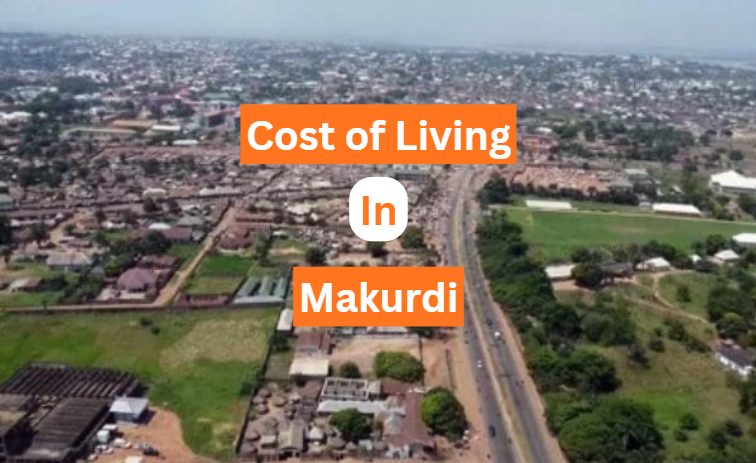
Makurdi is widely known as one of the most affordable state capitals to live in within Nigeria’s Middle Belt region. As the capital of Benue State, the city attracts students, civil servants, traders, entrepreneurs, and families looking for a relatively peaceful environment with lower living expenses compared to major cities like Abuja and Lagos.
Over the years, the cost of living in Makurdi has gradually changed due to inflation, fuel prices, and rising demand for housing and transportation. However, many residents still consider the city budget-friendly, especially when it comes to rent, local food items, and daily commuting expenses.
As such, understanding the actual cost of living in Makurdi is important for anyone planning to relocate, study, work, start a business, or settle in the city. From accommodation costs to transportation fares and feeding expenses, having a clear idea of monthly spending can help individuals and families plan their finances more effectively.
This guide provides a detailed breakdown of the cost of living in Makurdi, covering rent prices, food expenses, transportation costs, utilities, internet services, healthcare, and lifestyle spending. Whether you are a student, salary earner, NYSC member, or business owner, this article will help you understand what it truly costs to live comfortably in Makurdi.
Also check: 5 Best Places to Live in Makurdi: Top Safe & Affordable Areas
Is Makurdi Expensive to Live In?
Compared to many major cities in Nigeria, Makurdi is generally considered affordable for both low-income and middle-income earners. While the cost of living in Makurdi has increased in recent years due to inflation and rising fuel prices, the city still remains cheaper than places like Abuja, Lagos, and Port Harcourt in several important areas.
One of the main reasons many people choose Makurdi is the relatively moderate cost of accommodation. Rent prices in many parts of the city are still within reach for students, civil servants, young professionals, and small business owners. In addition, locally produced food items are often more accessible and affordable because Benue State is known for large-scale agricultural production.
Transportation within the city is also manageable for many residents since most areas can be accessed using tricycles, motorcycles, and shuttle buses at moderate fares. Unlike heavily congested cities where transportation costs can consume a large portion of monthly income, commuting in Makurdi is generally less stressful and less expensive.
However, affordability can still depend on an individual’s lifestyle, income level, and location within the city. People living in more developed or high-demand areas may spend more on housing, electricity, security, and daily transportation. Likewise, families with children or individuals relying heavily on generators and private healthcare may experience higher monthly expenses.
Overall, the cost of living in Makurdi can be described as moderate and relatively budget-friendly by Nigerian standards. The city offers a balance between urban living and manageable expenses, making it attractive to students, workers, retirees, and families looking for a less expensive alternative to larger metropolitan areas.
Also Check: Rent vs Buy in Nigeria: Which Makes More Sense?
Cost of Rent in Makurdi
Accommodation is one of the biggest factors that determines the overall cost of living in Makurdi. Fortunately, rent in many parts of Makurdi is still considered relatively affordable compared to larger Nigerian cities. The amount a person spends on housing usually depends on the location, type of apartment, accessibility, and available facilities within the area.
Students, civil servants, NYSC members, and families often choose different neighborhoods based on their budget and lifestyle preferences. Areas closer to the city center and major commercial zones usually attract higher rent, while developing or less crowded locations tend to be cheaper.
Average Rent Prices in Different Areas
Rental prices vary across different neighborhoods in Makurdi. Some areas are more developed, have better road networks, improved electricity supply, or are located close to schools, markets, and business districts, which often increases demand and rental costs.
Popular residential areas in Makurdi include:
- Wurukum
- High Level
- North Bank
- Kanshio
- Modern Market Area
- Judges Quarters
- Nyiman
- Apir
Locations such as High Level and Judges Quarters are generally considered more expensive because of their proximity to government offices, commercial activities, and relatively better infrastructure. On the other hand, areas like North Bank, Nyiman, and Apir may offer more budget-friendly housing options for students and low-income earners.
Estimated Annual Rent Prices
Below is an estimated breakdown of annual rent prices for different apartment types in Makurdi:
| Apartment Type | Estimated Annual Rent |
|---|---|
| Self-contain | ₦150,000 – ₦350,000 |
| 1-bedroom flat | ₦250,000 – ₦600,000 |
| 2-bedroom flat | ₦400,000 – ₦1.2 million |
| 3-bedroom apartment | ₦700,000 – ₦2 million+ |
In some cases, landlords may also require additional payments for agreement fees, legal fees, service charges, caution fees, or electricity-related contributions. These extra charges can increase the total amount required before moving into a new apartment.
Factors That Affect Rent in Makurdi
Several factors influence the cost of rent in Makurdi, and understanding them can help renters make better housing decisions.
Location
Properties situated near the city center, major roads, schools, or business districts are usually more expensive than those in developing outskirts.
Accessibility
Areas with better road networks and easier transportation access often attract higher rental prices.
Electricity Supply
Neighborhoods with relatively stable electricity tend to have more expensive apartments because residents spend less on generators and fuel.
Water Availability
Buildings with boreholes or steady water supply are generally more attractive to tenants and may cost more.
Security
Gated compounds, fenced apartments, and neighborhoods with better security arrangements usually command higher rent.
Apartment Features
Modern buildings with tiled floors, POP ceilings, wardrobes, prepaid meters, parking spaces, and multiple bathrooms often cost significantly more than older structures.
Also Check: Rental Income in Makurdi: What Landlords Actually Earn
Cost of Food in Makurdi
Food is another major part of the cost of living in Makurdi, and many residents consider it one of the city’s biggest advantages. Because Makurdi is located in an agriculturally rich region, several food items are often more accessible and reasonably priced than in many other urban centers across Nigeria.
The amount spent on feeding every month usually depends on factors such as family size, eating habits, cooking preferences, and whether a person buys food from local markets or frequently eats at restaurants and fast-food outlets. Individuals who cook regularly at home often spend less compared to those who rely heavily on outdoor meals and food delivery services.
Average Prices of Common Food Items
Food prices in Makurdi can change based on the farming season, fuel costs, market demand, and inflation. However, many staple foods remain relatively affordable compared to heavily commercialized cities.
Below are estimated prices of common food items commonly purchased in Makurdi markets:
| Food Item | Estimated Price |
|---|---|
| 50kg bag of rice | ₦65,000 – ₦95,000 |
| Tubers of yam | ₦500 – ₦4,000 each |
| Paint bucket of garri | ₦1,000 – ₦3000 |
| Paint bucket of beans | ₦3,500 – ₦8,000 |
| Basket of tomatoes | ₦5,000 – ₦25,000 |
| Crate of eggs | ₦5,000 – ₦7,500 |
| 1kg of beef | ₦2,500 – ₦6,000 |
| Live chicken | ₦8,000 – ₦18,000 |
Prices may be lower during harvest seasons when farm produce is more abundant in local markets.
Monthly Food Budget for Different Individuals
Monthly feeding expenses in Makurdi vary according to lifestyle and household size. People who prepare meals at home and buy foodstuff in bulk often manage their feeding budget more effectively.
Student Budget
Students living alone and cooking occasionally may spend around ₦25,000 to ₦60,000 monthly on food.
Single Worker Budget
A working-class individual may require approximately ₦50,000 to ₦120,000 monthly depending on eating habits and lifestyle choices.
Small Family Budget
A family of three to four people may spend between ₦120,000 and ₦250,000 monthly on groceries and feeding.
Medium-Sized Family Budget
Larger households may require ₦250,000 or more monthly, especially when including proteins, beverages, and packaged food products.
Why Food Is Relatively Affordable in Makurdi
One major reason the cost of living in Makurdi remains attractive is the city’s access to agricultural produce. Benue State is widely recognized as the “Food Basket of the Nation” because of its large-scale production of crops such as yam, cassava, rice, soybeans, maize, tomatoes, and vegetables.
Since many food items are sourced directly from nearby farming communities, transportation and distribution costs can sometimes be lower than in distant commercial cities. Local markets in Makurdi also receive fresh produce regularly, helping to improve availability and stabilize prices during certain periods of the year.
In addition, many residents purchase food items in bulk from local markets rather than supermarkets, which helps reduce monthly feeding expenses. This agricultural advantage continues to make feeding relatively manageable for students, workers, and families living in Makurdi.
Also Check: Cost of Living in Abuja vs Lagos: Which City Is More Affordable?
Transportation Costs in Makurdi
Transportation is an important part of the cost of living in Makurdi, especially for workers, students, traders, and business owners who move around the city regularly. Compared to highly populated Nigerian cities with severe traffic congestion, transportation within Makurdi is generally more affordable and less stressful for daily commuters.
The amount residents spend on transportation usually depends on the distance traveled, the means of transport used, fuel prices, and the frequency of movement within the city. People who live closer to their workplaces or schools often spend significantly less on transportation every month.
Common Means of Transportation
Several transportation options are commonly used in Makurdi for short and long-distance movement within the city.
Keke Napep (Tricycles)
Keke Napep remains one of the most widely used transportation options in Makurdi. Many residents prefer tricycles because they are relatively affordable, accessible, and safer than motorcycles in some situations.
Motorcycles (Okada)
Motorcycles are commonly used for faster movement, especially in areas with poor road conditions or limited vehicle access. They are popular for short-distance trips and routes that may not be easily accessible by tricycles.
Shuttle Buses
Shuttle buses operate on major roads and are often used by commuters looking for cheaper transportation fares, especially during busy hours.
Private Cars
Some residents rely on personal vehicles for convenience and flexibility. However, maintaining a private car usually comes with additional expenses such as fuel, repairs, engine servicing, and parking costs.
Estimated Daily and Monthly Transport Costs
Transportation expenses in Makurdi can vary depending on an individual’s movement pattern and location.
| Transport Type | Estimated Cost |
|---|---|
| Short keke ride | ₦200 – ₦3000 |
| Okada ride | ₦200 – ₦2000 |
| Shuttle bus fare | ₦100 – ₦500 |
| Daily work commute | ₦500 – ₦2,500 |
| Estimated monthly transport budget | ₦15,000 – ₦60,000+ |
Individuals who travel long distances daily or frequently move around for business activities may spend considerably more on transportation each month.
Factors Affecting Transportation Costs
Several factors influence transportation expenses in Makurdi and can cause fares to increase at different times.
Fuel Prices
Increases in petrol prices usually lead to higher transportation fares across the city.
Distance
Longer travel distances naturally result in higher transport costs, especially for people commuting between outskirts and central business areas.
Road Conditions
Poor road networks in certain areas may affect vehicle movement and increase transportation charges.
Weather Conditions
Heavy rainfall and flooding during the rainy season can make transportation more difficult and expensive in some parts of the city.
Time of Day
Transportation fares may rise during rush hours, at night, or during periods of high passenger demand.
Also check: Where to Get a Single Room Self Contain for 150k in Nigeria
Cost of Electricity and Utilities in Makurdi
Electricity and utility expenses are important factors that contribute to the overall cost of living in Makurdi. While utility costs in Makurdi may be lower than in some larger Nigerian cities, many residents still face challenges related to unstable power supply, rising fuel prices, and increasing household energy demands.
Monthly utility expenses usually depend on apartment size, family size, electricity consumption habits, and the number of appliances used in the home. Residents who rely heavily on air conditioners, refrigerators, pumping machines, and generators often spend more on utilities every month.
Electricity Bills
Many households in Makurdi use prepaid meters, while some tenants still operate under estimated billing systems. Electricity costs can vary significantly depending on power availability and energy consumption patterns.
For small apartments, monthly electricity expenses may range from ₦5,000 to ₦20,000 or more. Larger households or businesses that consume more electricity may spend significantly higher amounts monthly.
Generator and Fuel Costs
Due to inconsistent electricity supply in some neighborhoods, generators remain common in many homes and business premises. Rising petrol prices have made generator usage more expensive, especially for households that depend on generators for long hours daily.
Small households may spend between ₦10,000 and ₦40,000 monthly on generator fuel, depending on usage frequency and generator size.
Water Supply Expenses
Some residential buildings in Makurdi have private boreholes that provide regular water supply, while others rely on water vendors or public sources. Tenants living in apartments without steady water supply may incur additional expenses for water purchases.
Cooking Gas and Household Energy
The cost of cooking gas has also increased in recent years. Families that use gas cookers may spend between ₦8,000 and ₦25,000 monthly depending on cylinder size and cooking frequency. Some residents still combine gas usage with kerosene or charcoal to reduce expenses.
Other Utility Expenses
Additional utility-related expenses may include:
- Waste disposal fees
- Security contributions
- Compound maintenance fees
- Internet subscriptions
- Recharge card and communication costs
Overall, utility expenses in Makurdi are manageable for many residents, but unstable electricity supply and fuel costs can still increase monthly household spending.
Also check: Different Types of Houses in Nigeria with Names + Pictures
Healthcare Costs in Makurdi
Healthcare expenses are another important aspect of the cost of living in Makurdi, particularly for families, elderly residents, and individuals managing regular medical needs. The city has a combination of public hospitals, private clinics, pharmacies, diagnostic centers, and specialist healthcare facilities that serve residents across different income levels.
The amount spent on healthcare usually depends on the type of hospital visited, the seriousness of the medical condition, medication requirements, and whether private or public healthcare services are used.
Public Hospitals
Government-owned hospitals generally offer more affordable healthcare services for residents. Consultation and treatment costs in public facilities are usually lower than in private hospitals, although waiting times may sometimes be longer.
One of the major healthcare institutions in the city is Benue State University Teaching Hospital, which provides various medical services, including specialist care, surgery, laboratory testing, and emergency treatment.
Private Clinics and Hospitals
Private hospitals and clinics are widely available across Makurdi and are often preferred for faster attention and more personalized care. However, treatment costs in private facilities are usually higher.
Basic consultations at private clinics may range from ₦5,000 to ₦20,000 or more depending on the facility and type of treatment required.
Medication and Pharmacy Expenses
The cost of medications in Makurdi varies depending on the drug type, availability, and pharmacy location. Common illnesses such as malaria, typhoid, infections, and minor health conditions can still lead to considerable spending on drugs and laboratory tests.
Health Insurance Awareness
Although awareness of health insurance is gradually increasing, many residents still pay for healthcare services directly from their personal income. This means unexpected medical emergencies can place financial pressure on households without savings or insurance coverage.
Average Healthcare Spending
Healthcare spending in Makurdi differs from one household to another. Some individuals may only spend occasionally on minor treatments, while families with children or ongoing medical conditions may spend substantially more every month.
Also check: The Biggest Local Government in Benue State: Top 5 Largest
Cost of Education in Makurdi
Education is a major consideration for families, students, and individuals planning to relocate to Makurdi. The city is home to several public and private schools, colleges, and higher institutions, making it an important educational center within Benue State.
The cost of education in Makurdi varies depending on the type of institution, level of study, and quality of facilities provided. While some schools offer relatively affordable tuition, others—especially private institutions—may require significantly higher fees.
Nursery and Primary School Costs
Parents enrolling children in nursery and primary schools may encounter different fee structures depending on whether the school is public or private.
Public primary schools are generally more affordable, while private schools may charge additional fees for uniforms, books, transportation, extracurricular activities, and learning materials.
On average:
- Low-cost private schools may charge between ₦30,000 and ₦150,000 per session.
- Standard private schools may range from ₦150,000 to ₦500,000 or more annually.
Secondary School Expenses
Secondary school costs in Makurdi also differ widely based on school reputation, academic standards, boarding facilities, and available infrastructure.
Parents may need to budget for:
- Tuition fees
- Uniforms
- Textbooks
- Examination fees
- Hostel accommodation (for boarding students)
- Transportation
Private secondary schools with better facilities and stronger academic reputations often charge considerably more than government-owned schools.
Higher Institutions in Makurdi
Makurdi hosts several major higher institutions that attract students from different parts of Nigeria.
Some of the well-known institutions include:
- Joseph Sarwuan Tarka University
- Rev. Fr. Moses Orshio Adasu University, Makurdi (formerly Benue State University).
Students in tertiary institutions may spend money on:
- School fees
- Accommodation
- Handouts and textbooks
- Departmental dues
- Internet access
- Transportation
- Feeding and personal upkeep
Educational expenses for university students can vary significantly depending on whether the student lives on-campus or off-campus and the lifestyle maintained during studies.
Private Lessons and Skill Training
Apart from formal education, some residents also spend on:
- Lesson centers
- ICT training
- Professional certification programs
- Vocational and technical skills acquisition
These additional learning opportunities contribute to the broader cost of living in Makurdi, especially for young people seeking career advancement and employable skills.
Entertainment and Lifestyle Expenses
Entertainment and lifestyle spending also contribute to the overall cost of living in Makurdi. Although the city is not as commercially active as larger metropolitan areas, residents still have access to restaurants, relaxation spots, gyms, shopping centers, lounges, and social activities that support a comfortable lifestyle.
Lifestyle expenses in Makurdi usually depend on income level, personal preferences, and spending habits. Some residents maintain simple lifestyles with minimal leisure spending, while others allocate larger budgets for outings, fashion, fitness, and social activities.
Also Check: The Richest Local Government in Benue State (Top 10)
Monthly Budget Estimate for Living in Makurdi
The monthly cost of living in Makurdi can vary widely depending on a person’s lifestyle, accommodation type, feeding habits, transportation needs, and household size. While some residents maintain a modest budget by limiting unnecessary expenses, others may spend considerably more on comfort, private transportation, entertainment, and premium housing.
For many people, Makurdi remains relatively affordable because basic living expenses such as rent, food, and transportation are still manageable compared to several larger Nigerian cities.
Below are estimated monthly budgets for different categories of residents living in Makurdi.
Student Monthly Budget Estimate
Students living in Makurdi usually spend less than working-class residents, especially when they share accommodation, cook meals at home, and minimize transportation costs.
| Expense Category | Estimated Monthly Cost |
|---|---|
| Accommodation contribution | ₦15,000 – ₦40,000 |
| Feeding | ₦25,000 – ₦60,000 |
| Transportation | ₦5,000 – ₦20,000 |
| Internet/Data | ₦3,000 – ₦10,000 |
| Utilities & Miscellaneous | ₦5,000 – ₦15,000 |
| Estimated Total | ₦53,000 – ₦145,000 |
Students attending institutions such as Benue State University or Joseph Sarwuan Tarka University may spend more depending on accommodation choice and personal lifestyle.
Single Worker Monthly Budget Estimate
A working-class individual living alone may require a larger monthly budget due to rent, transportation, utility bills, and personal lifestyle expenses.
| Expense Category | Estimated Monthly Cost |
|---|---|
| Rent contribution | ₦25,000 – ₦100,000 |
| Feeding | ₦50,000 – ₦120,000 |
| Transportation | ₦15,000 – ₦60,000 |
| Electricity & Utilities | ₦15,000 – ₦50,000 |
| Internet & Communication | ₦5,000 – ₦20,000 |
| Entertainment & Miscellaneous | ₦10,000 – ₦50,000 |
| Estimated Total | ₦120,000 – ₦400,000+ |
The actual monthly budget may increase for individuals living in more expensive neighborhoods or maintaining a higher standard of living.
Family Monthly Budget Estimate
Families often spend more because of feeding, school expenses, healthcare, utilities, and transportation requirements for multiple people.
| Expense Category | Estimated Monthly Cost |
|---|---|
| Rent contribution | ₦50,000 – ₦180,000 |
| Feeding & groceries | ₦120,000 – ₦350,000 |
| Transportation | ₦30,000 – ₦120,000 |
| Electricity & Utilities | ₦25,000 – ₦80,000 |
| Education expenses | ₦20,000 – ₦150,000 |
| Healthcare | ₦10,000 – ₦50,000 |
| Miscellaneous & lifestyle | ₦20,000 – ₦100,000 |
| Estimated Total | ₦275,000 – ₦1 million+ |
Families with children enrolled in private schools or households relying heavily on generators and private healthcare may experience higher monthly expenses.
Also check: How Much Is a Unit of Electricity in Nigeria in 2026? Full Breakdown of Tariffs and Cost Per kWh
Pros of Living in Makurdi
Living in Makurdi comes with several advantages, especially for people looking for a quieter and more affordable alternative to Nigeria’s major metropolitan cities. One of the biggest attractions of the city is its relatively low cost of living, particularly in areas like housing, food, and transportation.
Another key advantage is access to fresh and affordable food supplies. Because Benue State is largely agricultural, residents enjoy regular availability of farm produce at reasonable prices in local markets. This makes daily feeding more manageable for students, workers, and families.
Makurdi also offers a less congested environment compared to cities like Lagos or Abuja. Traffic is generally lighter, and movement within the city is easier, which helps reduce daily stress for commuters.
Other benefits include:
- Relatively affordable rent compared to major cities
- Peaceful residential areas in many neighborhoods
- Growing business and employment opportunities
- Strong presence of educational institutions
- Access to public and private healthcare services
Overall, Makurdi provides a balanced lifestyle for people who want affordability without completely losing access to essential urban amenities.
Also Check: Is It Better to Buy a House or Build One in Nigeria? (Full 2026 Guide)
Cons of Living in Makurdi
Despite its advantages, living in Makurdi also comes with some challenges that residents need to consider before relocating.
One of the major issues is unstable electricity supply in some areas. Many households rely on generators, which increases monthly fuel expenses and overall cost of living.
Another challenge is limited infrastructure development in certain neighborhoods. Some roads may be poorly maintained, especially during the rainy season, which can affect transportation and accessibility.
Job opportunities in Makurdi are also more limited compared to larger economic hubs like Lagos or Abuja. Many residents depend on government jobs, small businesses, or agriculture-related activities for income.
Other disadvantages include:
- Occasional flooding in some parts of the city during heavy rains
- Fewer large-scale entertainment and recreational facilities
- Limited high-end shopping and lifestyle options
- Dependence on nearby cities for some specialized services
While these challenges exist, many residents still find Makurdi manageable due to its lower living costs and calmer environment.
Also check: Top Property Listing Sites in Nigeria
Tips for Reducing Living Expenses in Makurdi
Even though the cost of living in Makurdi is relatively affordable, proper financial planning can help residents reduce monthly expenses even further.
One of the most effective strategies is choosing accommodation wisely. Living in less expensive neighborhoods or sharing apartments with others can significantly reduce rent costs.
Buying food items from local markets instead of supermarkets can also help reduce monthly feeding expenses. Since Makurdi is an agricultural city, fresh produce is often cheaper in open markets.
Other practical tips include:
- Use public transportation (keke napep and buses) instead of private vehicles for daily movement
- Reduce unnecessary generator usage by optimizing electricity consumption
- Buy food items in bulk to take advantage of lower prices
- Limit frequent outdoor dining and focus more on home cooking
- Choose affordable data plans and manage internet usage efficiently
- Avoid impulsive spending on luxury items and entertainment
By adopting these habits, residents can significantly reduce their monthly spending while still maintaining a comfortable lifestyle in Makurdi.
Also check: Real Estate vs Agriculture in Nigeria: Which Investment Is More Profitable?
Cost of Living in Makurdi: Final Verdict
The cost of living in Makurdi can best be described as moderate and relatively affordable compared to many other major cities in Nigeria. While expenses such as rent, transportation, electricity, and food have increased over time due to inflation, the city still offers a more budget-friendly lifestyle than urban centers like Lagos and Abuja.
Makurdi stands out particularly for its lower housing costs and access to affordable food items, thanks to its strong agricultural base. This makes it attractive to students, civil servants, small business owners, and families who want to maintain a decent standard of living without the high expenses associated with larger metropolitan areas.
However, like any growing city, Makurdi still has its challenges. Issues such as inconsistent electricity supply, limited high-income job opportunities, and infrastructure gaps can affect the overall living experience. Despite these drawbacks, many residents still find the city comfortable, especially when proper budgeting and lifestyle adjustments are applied.
In summary, Makurdi is a suitable choice for individuals seeking a balance between affordability and basic urban living. It may not offer the fast-paced lifestyle or extensive opportunities of bigger cities, but it provides a cost-effective environment where many people can live, study, and work comfortably.
Join The Discussion