
 by
by 
Are you searching for the latest/up-to-date solar panel prices in Nigeria? If yes, then you are in the right place. Continue reading!
The demand for solar energy in Nigeria has increased significantly in recent years as more homes, businesses, shops, offices, and estates search for reliable alternatives to unstable electricity supply and rising fuel costs. With frequent power outages and the increasing cost of running generators, many Nigerians are now turning to solar systems as a long-term solution for powering their daily activities.
However, one of the most common questions people ask before switching to solar is: how much is a solar panel in Nigeria? The answer often depends on several factors, including the watt capacity, brand, efficiency, durability, and the type of solar panel being purchased.
In this guide, we will break down the latest solar panel prices in Nigeria, covering popular watt capacities, Jinko solar panels, and the major factors that influence pricing in the Nigerian market. You will also learn how to choose the right solar panel for your home or property based on your electricity needs and budget.
Also Check: How Much Is a Unit of Electricity in Nigeria in 2026? Full Breakdown of Tariffs and Cost Per kWh
Types of Solar Panels Available in Nigeria
Before buying a solar panel, it is important to understand the different types available in the Nigerian market. Although many people focus mainly on price, the type of solar panel you choose also affects efficiency, durability, charging speed, and long-term performance. In Nigeria, where weather conditions and electricity demands vary from one location to another, choosing the right panel type can make a major difference.
The three most common types of solar panels available in Nigeria are monocrystalline, polycrystalline, and thin-film solar panels.
Monocrystalline Solar Panels
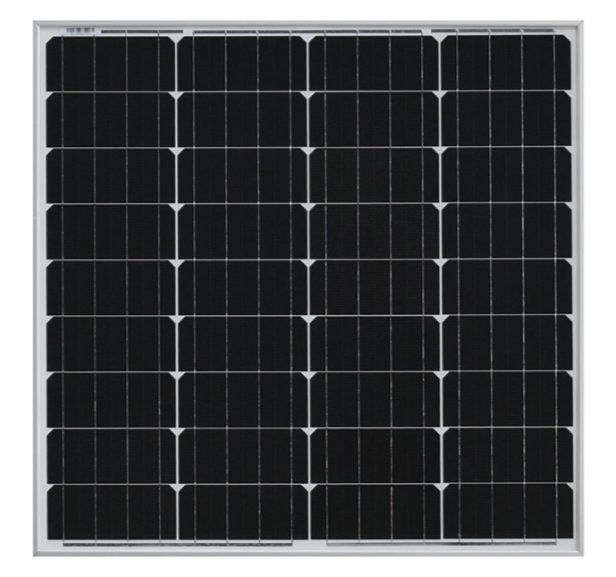
Monocrystalline solar panels are widely regarded as the most efficient and premium solar panels available today. They are made from pure silicon and are usually recognized by their dark black appearance.
These panels are popular in Nigeria because they:
- generate more electricity even with limited roof space,
- charge batteries faster,
- perform better in hot weather,
- and generally last longer than many alternatives.
Monocrystalline panels are commonly used in residential homes, duplexes, offices, and commercial buildings where stable power supply is important. Most high-capacity panels such as 500W, 550W, and 600W models are monocrystalline.
However, they are usually more expensive than other types due to their higher efficiency and better performance.
Polycrystalline Solar Panels
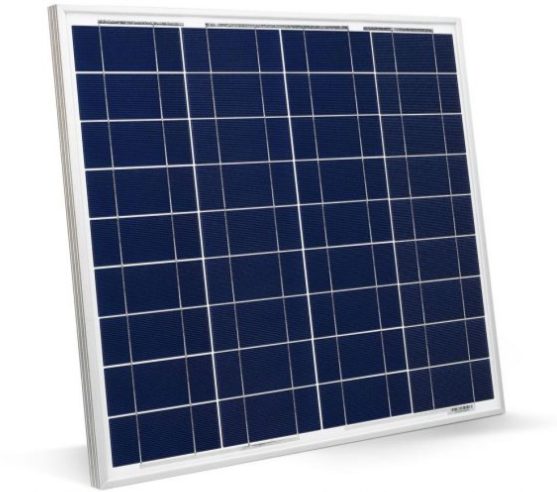
Polycrystalline solar panels are another common option in Nigeria. They are made from multiple silicon fragments and usually have a bluish appearance.
These panels are generally more affordable than monocrystalline models, making them attractive for people working with smaller budgets. They are often used for:
- small homes,
- basic lighting setups,
- shops,
- and low-power solar installations.
While polycrystalline panels still perform well under sunlight, they are typically less efficient than monocrystalline panels and may require more installation space to generate the same amount of power.
Thin-Film Solar Panels
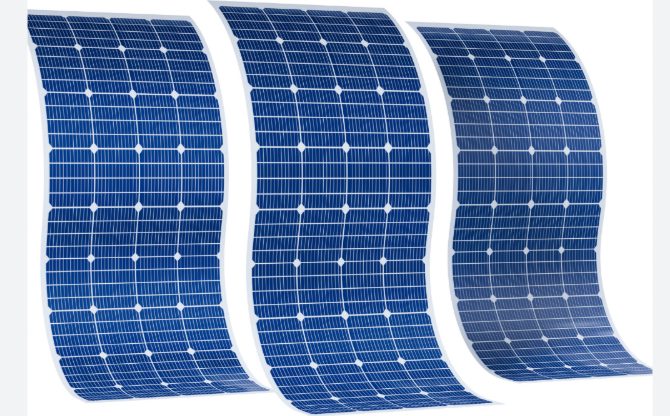
Thin-film solar panels are less common in Nigeria compared to monocrystalline and polycrystalline panels. They are lighter and more flexible, but they are usually less efficient and have shorter lifespans.
Because of their lower efficiency, thin-film panels are not widely used for residential power systems in Nigeria. They are mainly suitable for temporary setups, portable solar devices, or specialized commercial applications where flexibility is more important than maximum power output.
Which Solar Panel Type Is Best for Nigeria?
For most Nigerian homes and businesses, monocrystalline solar panels are often considered the best option because of their higher efficiency, durability, and ability to perform well under strong sunlight and high temperatures.
However, polycrystalline panels can still be a good choice for users who need a more budget-friendly solar solution for basic electricity needs.
Ultimately, the best solar panel depends on:
- your energy consumption,
- available installation space,
- budget,
- and the appliances you intend to power.
Also Check: Cost of Living in Abuja vs Lagos: Which City Is More Affordable?
Solar Panel Prices in Nigeria (2026 Updated Price List)
Solar panel prices in Nigeria depend largely on watt capacity, panel quality, efficiency level, and brand reputation. Generally, smaller solar panels are cheaper and suitable for light electricity usage, while higher-capacity panels are more expensive because they are designed to power larger homes, offices, shops, and commercial properties.
Below is a breakdown of the latest solar panel prices in Nigeria for different watt capacities commonly available in the market.
100W Solar Panel Price in Nigeria
100W solar panels are among the most affordable solar panels available in Nigeria. They are commonly used for basic electricity needs such as:
- charging phones,
- powering LED bulbs,
- small fans,
- routers,
- and small televisions.
These panels are ideal for students, small shops, kiosks, and users with low energy consumption. Depending on the brand and panel type, the price of a 100W solar panel in Nigeria currently ranges from about ₦26,000 to ₦60,000.
200W Solar Panel Price in Nigeria
200W solar panels are suitable for users who need slightly more power output than smaller entry-level panels. They are often used in small apartments, mini solar setups, and low-power residential systems.
A 200W solar panel can comfortably support:
- lighting systems,
- televisions,
- fans,
- phone charging,
- and some low-power appliances.
In Nigeria, the average price of a 200W solar panel ranges from approximately ₦45,000 to ₦110,000 depending on the brand and efficiency level.
300W Solar Panel Price in Nigeria
300W solar panels are among the most commonly used panels for residential solar installations in Nigeria. They offer a good balance between affordability and power output, making them popular among homeowners.
These panels are suitable for powering:
- fans,
- televisions,
- refrigerators,
- lighting systems,
- laptops,
- and other household electronics.
As of 2026, the price of a 300W solar panel in Nigeria typically falls between ₦65,000 and ₦155,000.
500W Solar Panel Price in Nigeria
500W solar panels are designed for medium to large solar systems that require higher electricity generation. Most modern 500W panels are monocrystalline and offer better efficiency compared to lower-capacity models.
They are commonly used in:
- homes,
- offices,
- shops,
- business centers,
- and commercial properties.
The current price range for a 500W solar panel in Nigeria is approximately ₦115,000 to ₦180,000 depending on the manufacturer and panel quality.
550W Solar Panel Price in Nigeria
550W solar panels have become increasingly popular because they provide higher energy output while reducing the number of panels needed for installation. These panels are commonly used for larger residential and commercial solar systems.
A 550W solar panel is suitable for powering multiple appliances when connected to a properly designed inverter and battery system.
In Nigeria, 550W solar panels currently cost around ₦130,000 to ₦240,000 depending on the brand, efficiency rating, and warranty coverage.
600W Solar Panel Price in Nigeria
600W solar panels are high-capacity solar panels mainly designed for larger homes, offices, hotels, schools, and industrial installations that require significant electricity generation.
These panels are known for:
- higher efficiency,
- larger energy output,
- and reduced installation space requirements.
The average price of a 600W solar panel in Nigeria currently ranges from ₦150,000 to ₦295,000.
1000W Solar Panel Price in Nigeria
Many people searching for “1000W solar panel price in Nigeria” are usually referring to a complete 1KW solar setup rather than a single panel. A 1KW solar system is capable of powering several household appliances simultaneously.
A standard 1000W solar setup may include:
- solar panels,
- batteries,
- charge controller,
- inverter,
- and installation accessories.
Depending on the system configuration and component quality, the price of a 1KW solar setup in Nigeria ranges from about ₦300,000 to ₦850,000 or more.
10000W Solar Panel Price in Nigeria
A 10000W solar system, also known as a 10KW solar setup, is a large-scale installation suitable for:
- duplexes,
- offices,
- hotels,
- schools,
- hospitals,
- and commercial buildings.
These systems are capable of powering heavy appliances such as:
- air conditioners,
- pumping machines,
- refrigerators,
- deep freezers,
- and multiple electronics simultaneously.
In Nigeria, a complete 10KW solar installation typically costs between ₦5.5 million and ₦10 million depending on the number of batteries, inverter specification, installation complexity, and panel quality.
Solar Panel Price List in Nigeria (2026)
| Solar Panel Capacity | Estimated Price Range |
|---|---|
| 100W Solar Panel | ₦26,000 – ₦60,000 |
| 200W Solar Panel | ₦45,000 – ₦110,000 |
| 300W Solar Panel | ₦65,000 – ₦155,000 |
| 500W Solar Panel | ₦115,000 – ₦180,000 |
| 550W Solar Panel | ₦130,000 – ₦240,000 |
| 600W Solar Panel | ₦150,000 – ₦295,000 |
| 1000W Solar Setup | ₦300,000 – ₦850,000+ |
| 10000W (10KW) Solar System | ₦5.5 Million – ₦10 Million+ |
Also Check: Latest House Painting Designs in Nigeria (Beautiful Color Trends for Modern Homes)
Jinko Solar Panel Prices in Nigeria
Factors Affecting Solar Panel Prices in Nigeria
Solar panel prices in Nigeria are not fixed because several market and technical factors influence the final cost. This is one of the reasons why the same watt capacity may have different prices across sellers, cities, and brands.
Understanding these factors can help buyers make better decisions and avoid purchasing low-quality solar panels simply because they are cheaper.
Watt Capacity
One of the biggest factors affecting solar panel prices is the watt capacity of the panel. Higher watt panels generate more electricity and are usually more expensive than lower-capacity models.
For example:
- a 100W solar panel costs far less than a 550W or 600W panel,
- while large systems like 10KW installations require significantly higher investment because they include multiple high-capacity panels and supporting components.
Generally, the more electricity a solar panel can produce, the higher its price.
Solar Panel Type
The type of solar panel also affects pricing. Monocrystalline panels are usually more expensive because they offer:
- higher efficiency,
- faster charging performance,
- and better durability.
Polycrystalline panels are often cheaper but may produce lower efficiency levels. Thin-film panels are less common and are mainly used for specialized applications.
In Nigeria, monocrystalline solar panels dominate the market because many buyers prioritize stronger performance and long-term reliability.
Brand Reputation
Well-known brands such as Jinko, Canadian Solar, Longi, and Trina Solar typically cost more than lesser-known or generic brands.
This is because reputable brands often provide:
- better build quality,
- longer warranties,
- higher efficiency ratings,
- and improved durability.
Many buyers in Nigeria are willing to pay more for trusted solar brands because poor-quality panels may fail quickly or deliver lower power output than advertised.
Exchange Rate and Import Costs
Most solar panels sold in Nigeria are imported. As a result, fluctuations in foreign exchange rates directly affect solar panel prices.
When the value of the naira weakens against foreign currencies, the cost of importing solar products increases, leading to higher prices in the local market.
Import duties, shipping expenses, customs charges, and transportation costs also contribute to the overall cost of solar panels in Nigeria.
Panel Technology
Modern solar technologies such as:
- N-Type panels,
- TOPCon technology,
- and bifacial solar panels
are usually more expensive than traditional panel designs.
These advanced panels provide:
- higher energy efficiency,
- lower power loss,
- improved temperature performance,
- and longer lifespan.
Although they cost more initially, many buyers consider them better long-term investments because of their improved performance.
Warranty Coverage
Solar panels with longer warranty periods are often more expensive. Premium brands may offer warranties ranging from 10 to 25 years depending on the model and manufacturer.
A longer warranty usually indicates:
- better product quality,
- stronger manufacturer confidence,
- and improved durability.
Cheaper solar panels without proper warranty coverage may carry higher long-term risks.
Availability and Market Demand
Demand for solar products in Nigeria has increased significantly due to:
- unstable electricity supply,
- rising fuel prices,
- and increased interest in alternative energy solutions.
When demand becomes very high, prices often increase — especially during periods of fuel scarcity or national power supply challenges.
Availability also matters. Some high-capacity solar panels may become more expensive when supply is limited in the market.
Installation Components
The total cost of a solar setup goes beyond the solar panels alone. Additional components such as:
- batteries,
- inverters,
- charge controllers,
- mounting structures,
- cables,
- and installation materials
can significantly affect the final price of a solar power system.
This is why complete solar installations cost much more than the solar panels themselves.
Also Check: Living Room Decoration in Nigeria: Modern Ideas, Designs & Budget-Friendly Tips
How to Choose the Right Solar Panel for Your Home
Choosing the right solar panel for your home involves more than simply buying the cheapest option available. A good solar system should match your electricity needs, available space, budget, and the appliances you intend to power on a daily basis.
Buying the wrong solar panel may lead to poor performance, insufficient power supply, or unnecessary spending on oversized systems that exceed your actual energy needs.
Below are some important things to consider before choosing a solar panel for your home in Nigeria.
Determine Your Power Needs
The first step is to calculate the amount of electricity your home consumes daily. This helps you determine the right solar panel capacity and battery size needed for your property.
Start by listing the appliances you want to power, such as:
- televisions,
- fans,
- bulbs,
- refrigerators,
- air conditioners,
- laptops,
- water pumps,
- and freezers.
Homes with basic electricity needs may only require smaller solar panels, while larger homes with heavy appliances will need higher-capacity systems.
Consider the Size of Your Home
The size of your property also plays a major role when choosing a solar setup.
For example:
- small apartments and single rooms may function properly with basic solar systems,
- while duplexes, offices, and larger residential buildings often require multiple high-capacity solar panels.
Larger homes generally consume more electricity because they power more appliances simultaneously.
Choose the Right Watt Capacity
Different watt capacities are designed for different energy demands.
High-capacity solar panels are often more efficient because they generate more electricity while reducing the number of panels needed during installation.
Check the Solar Panel Type
You have to choose the right panel type depends on your budget and available installation area.
Buy From Trusted Brands
Solar panels from reputable brands are generally more reliable and durable than low-quality generic products.
Consider Future Expansion
Many homeowners eventually increase their electricity usage after installing solar systems. It is often advisable to choose a system that can support future upgrades if your budget allows.
For example, you may later decide to add:
- more batteries,
- additional panels,
- or heavier appliances.
Planning ahead can save money and reduce future installation stress.
Compare Price With Quality
While affordability is important, extremely cheap solar panels may not always provide good long-term value. Instead of focusing only on the lowest price, it is better to balance cost, efficiency, warranty, and durability when choosing a solar panel for your home.
Also check: Latest Modern Bed Frame Designs in Nigeria
Frequently Asked Questions About Solar Panels in Nigeria
How much is one solar panel in Nigeria?
The price of one solar panel in Nigeria depends on the watt capacity, brand, panel type, and efficiency level. Smaller panels such as 100W models are generally more affordable, while larger 500W to 600W panels cost significantly more because they produce higher electricity output.
On average:
- 100W solar panels cost between ₦26,000 and ₦60,000,
- 300W panels range from ₦65,000 to ₦155,000,
- while high-capacity 550W to 600W panels may cost between ₦115,000 and ₦295,000.
Premium brands such as Jinko, Longi, and Canadian Solar are usually more expensive than generic alternatives.
What can a 2.5 KVA solar system carry?
A 2.5 KVA solar system is suitable for moderate residential electricity usage. Depending on the battery capacity and inverter configuration, it can conveniently power:
- televisions,
- fans,
- LED bulbs,
- laptops,
- routers,
- refrigerators,
- decoders,
- and other basic household appliances.
However, the exact load capacity depends on:
- the inverter quality,
- battery storage,
- number of solar panels,
- and how many appliances are used simultaneously.
Heavy appliances such as large air conditioners, electric cookers, pressing irons, and pumping machines may overload a standard 2.5 KVA system if not properly managed.
Does rain affect solar panels?
Yes, rain can temporarily reduce solar panel performance because sunlight intensity becomes lower during cloudy or rainy weather. However, solar panels still generate electricity even when the sun is not shining brightly.
Interestingly, rain can also help clean dust and dirt from the surface of solar panels, which may improve efficiency afterward.
Modern solar panels are designed to withstand:
- rain,
- storms,
- heat,
- and harsh outdoor weather conditions.
Can a solar panel work without sun?
Solar panels require sunlight to generate electricity, but they do not necessarily need direct hot sunshine to function. They can still produce power during:
- cloudy weather,
- early mornings,
- and rainy periods.
However, electricity production becomes lower when sunlight intensity decreases.
At night, solar panels stop generating electricity completely. This is why batteries are important in solar systems because they store energy produced during the day for later use.
Which type of solar panel is best for Nigeria?
Monocrystalline solar panels are generally considered the best option for most Nigerian homes and businesses because they:
- offer higher efficiency,
- perform better in hot weather,
- charge batteries faster,
- and require less installation space.
They are especially suitable for areas with high electricity demand and limited roof space.
Which solar battery lasts the longest?
Lithium batteries are currently considered the longest-lasting solar batteries available in Nigeria. They are widely preferred because they:
- charge faster,
- last longer,
- require less maintenance,
- and provide deeper discharge capacity.
A good lithium battery can last between 8 to 15 years depending on usage and maintenance.
Tubular batteries are also common in Nigeria and are often more affordable, but they generally have shorter lifespans compared to lithium batteries.
How long do solar panels last?
Most high-quality solar panels last between 25 and 30 years with proper installation and maintenance. However, their efficiency may gradually reduce over time as they age.
Regular cleaning and proper installation can help solar panels maintain strong performance for many years.
Also check: How to Check Prepaid Meter Balance in Nigeria (Simple Methods, No Stress)
Solar Panel Prices in Nigeria: Final Verdict
Solar energy is gradually becoming more than just an alternative power source — for many homes and businesses, it is now a practical long-term investment. As electricity challenges continue and fuel prices remain unpredictable, more Nigerians are beginning to prioritize energy independence when planning their homes, offices, and properties.
However, the smartest solar purchase is not always the biggest or the most expensive system. The real value comes from choosing a setup that matches your actual energy needs, available space, and long-term budget. A properly planned solar system can reduce electricity stress for years, while a poorly selected setup may lead to unnecessary expenses and disappointing performance.
It is also important to focus on quality rather than chasing unrealistically cheap prices. Durable panels, reliable batteries, and professional installation often provide better long-term value than low-cost systems that may fail prematurely.
Whether you are considering a small solar setup for basic household use or a larger installation for a duplex, office, shop, or commercial property, taking time to compare solar panel prices in Nigeria carefully can help you make a better and more cost-effective decision in the long run.
Join The Discussion