
 by
by 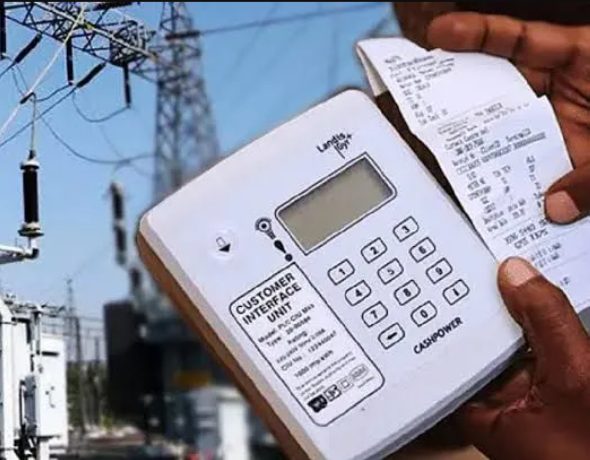
If you have ever looked at your prepaid meter, received an electricity bill, or tried to buy units online, you have probably asked: how much is a unit of electricity in Nigeria? It is one of the most common questions among homeowners, tenants, business owners, and anyone trying to manage monthly living expenses.
In Nigeria, electricity is billed based on the number of units you consume. The amount you pay for each unit depends on several factors, including your tariff band, your electricity distribution company, and current regulatory pricing approved by the Nigerian Electricity Regulatory Commission.
Over the past few years, electricity tariffs in Nigeria have changed significantly. Customers on higher service bands generally pay more per unit because they are expected to receive longer hours of daily power supply. As a result, the answer to the question of how much a unit of electricity costs in Nigeria is no longer a single fixed figure for everyone.
Understanding the current cost per unit is important for budgeting, especially if you are planning to rent or buy a home, run a business, or estimate your monthly utility expenses. Knowing your tariff can also help you calculate how many units a certain amount of money will buy and identify ways to reduce your electricity bill.
In this guide, you will learn exactly how much a unit of electricity is in Nigeria in 2026, how tariff bands work, how to calculate your electricity costs, and practical tips to help you spend less on power every month.
So, let’s dive!
Also Check: 20 Litre Paint Price in Nigeria: Latest Prices by Brand & Type
What Is a Unit of Electricity?
Before fully understanding how much is a unit of electricity in Nigeria, it is important to know what a “unit” actually means.
A unit of electricity is simply a measurement of electrical energy consumption. In practical terms, one unit of electricity is equal to one kilowatt-hour (kWh).
1 unit=1 kWh
This means that if you use an electrical appliance with a power rating of 1,000 watts (or 1 kilowatt) for one hour, it will consume one unit of electricity.
Simple Example
Suppose you use:
- A 1,000-watt electric kettle for 1 hour, or
- Two 500-watt appliances for 1 hour each
The total electricity consumed will be one unit (1 kWh).
Real-Life Explanation
Think of a unit of electricity as the “litre” used to measure fuel. Just as fuel is measured in litres, electricity is measured in units. The more appliances you use and the longer they run, the more units you consume.
Why Understanding Units Matters
Knowing what a unit of electricity means helps you:
- Understand how your prepaid meter works
- Calculate how many units your money will buy
- Estimate your monthly electricity bill
- Reduce unnecessary energy consumption
For example, if you know how much a unit of electricity costs in Nigeria and how many units your household consumes, you can easily predict your electricity expenses.
Unit of Electricity and Prepaid Meters
When you recharge your prepaid meter, the amount you pay is converted into units based on your tariff. If electricity costs ₦200 per unit and you pay ₦10,000, you will receive approximately 50 units, excluding any applicable charges and taxes.
In summary, a unit of electricity is the standard measurement used to calculate power consumption and billing. Once you understand this concept, it becomes much easier to determine exactly how much a unit of electricity is in Nigeria and how your electricity costs are calculated.
Also check: Living Room Decoration in Nigeria: Modern Ideas, Designs & Budget-Friendly Tips
How Much Is One Unit of Electricity in Nigeria in 2026?
If you are wondering how much is a unit of electricity in Nigeria in 2026, the short answer is that there is no single nationwide price. The cost of one unit (1 kWh) depends largely on the tariff category assigned to your area and the level of electricity service you receive.
As of 2026, many residential and business consumers in Nigeria pay anywhere from approximately ₦100 to over ₦220 per unit of electricity, depending on their service band and electricity provider. Customers in areas with longer daily power supply generally pay more per unit than those with fewer hours of electricity.
Estimated Electricity Cost Per Unit in Nigeria (2026)
Below is a general estimate of what consumers may pay for one unit of electricity:
| Customer Category | Estimated Cost Per Unit |
|---|---|
| Lower service bands | ₦100 – ₦160 per kWh |
| Mid-level service bands | ₦160 – ₦200 per kWh |
| Premium service bands | ₦200 – ₦225+ per kWh |
These figures are approximate and may vary slightly depending on your electricity distribution company and regulatory updates.
Why the Price Differs Across Locations
Two households in different parts of Nigeria may pay different rates for the same one unit of electricity. This is because tariffs are influenced by:
- The number of hours of power supplied daily
- The operational area of the distribution company
- Regulatory reviews by the Nigerian Electricity Regulatory Commission
- Economic factors such as inflation and exchange rates
What This Means for Consumers
Knowing how much a unit of electricity costs in Nigeria helps you estimate how far your recharge will go. For example:
- At ₦200 per unit, ₦5,000 buys about 25 units.
- At ₦150 per unit, ₦5,000 buys about 33 units.
- At ₦220 per unit, ₦10,000 buys about 45 units.
Actual units received may be slightly lower after taxes and other applicable charges.
Is Electricity More Expensive in 2026?
Compared with previous years, electricity has become more costly for many consumers, especially those receiving more consistent power. While this has increased monthly expenses for households and businesses, it has also encouraged many Nigerians to monitor their consumption more closely and invest in energy-efficient appliances.
In summary, if you are asking how much one unit of electricity is in Nigeria in 2026, you should expect to pay anywhere from around ₦100 to more than ₦220 per kWh, depending on your tariff classification and service level.
Also check: How to Recharge Prepaid Meter in Nigeria (Step-by-Step Guide for All Discos)
Electricity Tariff Bands in Nigeria Explained
One of the most important factors that determines how much a unit of electricity is in Nigeria is the tariff band assigned to your area. In 2020, the Nigerian Electricity Regulatory Commission introduced a service-based tariff structure that groups electricity consumers into different bands according to the average number of hours of power they are expected to receive each day.
These bands are labeled from Band A to B and E. The higher the band, the more hours of electricity customers are supposed to enjoy, and generally, the more they pay per unit.
Band A
Band A customers are expected to receive at least 20 hours of electricity supply per day. These areas usually include major commercial districts, high-demand neighborhoods, and locations with relatively stable infrastructure. Because of the higher level of service, Band A customers typically pay the highest tariff rates.
Band B
Customers under Band B are expected to receive 16 to 20 hours of electricity daily. These consumers still enjoy relatively good power supply, although not as consistently as Band A customers.
Band C
Band C customers are expected to receive 12 to 16 hours of electricity per day. Many urban and semi-urban communities fall within this category.
Band D
Band D customers are expected to receive 8 to 12 hours of electricity daily. Areas in this category generally experience more frequent outages and less predictable power supply.
Band E
Band E customers are expected to receive 4 to 8 hours of electricity per day. These areas usually receive the least amount of electricity and tend to pay lower tariffs compared to higher bands.
Why Tariff Bands Matter
Your tariff band has a direct impact on:
- The amount you pay per unit of electricity
- The number of hours of supply you are entitled to receive
- How much value you get from your electricity expenses
For example, two households that consume the same number of units may receive different bills simply because they belong to different tariff bands.
Can Your Band Change?
Yes. Distribution companies can reclassify an area if the quality of service improves or declines. If customers consistently receive fewer hours than promised, they may challenge the classification through their distribution company or the Nigerian Electricity Regulatory Commission.
Also check: Borehole Drilling Price in Nigeria: Full Cost Breakdown by Depth & Location
Current Estimated Electricity Cost Per Unit (kWh) in Nigeria
The exact answer to how much is a unit of electricity in Nigeria depends on your tariff band and the electricity distribution company serving your area. However, there are general price ranges that can help you estimate what most households and businesses currently pay for one kilowatt-hour (kWh) of electricity.
As of 2026, Nigeria’s weighted average allowed tariff is reported at about ₦124.30 per kWh, while customers in higher service categories such as Band A often pay around ₦209.50 per kWh. Lower bands generally pay significantly less because they receive fewer guaranteed hours of electricity supply.
Estimated Cost Per Unit by Tariff Band
| Tariff Band | Expected Daily Supply | Estimated Cost Per Unit |
|---|---|---|
| Band A | 20 hours and above | ₦209.50 – ₦225+ |
| Band B | 16–20 hours | ₦60 – ₦200 (varies by location) |
| Band C | 12–16 hours | ₦48 – ₦170 |
| Band D | 8–12 hours | ₦32 – ₦100+ |
| Band E | 4–8 hours | ₦32 – ₦80+ |
These figures are estimates intended to provide a practical overview. The exact tariff on your bill may differ slightly depending on your distribution company and any current regulatory adjustments.
What Most Nigerians Commonly Pay
In practice:
- Consumers in premium service areas often pay around ₦209.50 per unit.
- Many residential customers outside Band A may pay well below that amount.
- The number of units received after vending may be slightly reduced by VAT and other statutory charges.
This means that two people who recharge the same amount may receive different numbers of units if they are on different tariff bands.
Why the Figures Change Over Time
Electricity tariffs are reviewed periodically to reflect changes in:
- Exchange rates
- Gas prices
- Inflation
- Government subsidies
- Regulatory decisions
For this reason, anyone researching how much a unit of electricity costs in Nigeria should always expect occasional adjustments.
Also check: 10 Simple Rules for Peaceful Living With a Roommate
How to Know Your Electricity Band
Many Nigerians pay for electricity every month without actually knowing the tariff band assigned to their area. However, understanding your electricity band is important because it determines the level of power supply you are expected to receive and influences how much you pay per unit.
If you have been asking questions like “Why is my electricity expensive?” or “Why do I receive fewer units after recharge?”, checking your tariff band is one of the first things you should do.
Fortunately, there are several simple ways to identify your electricity band in Nigeria.
Check Your Electricity Bill
One of the easiest ways to know your electricity band is by looking at your monthly electricity bill or prepaid meter receipt. Many electricity distribution companies usually display the tariff classification directly on the bill.
You may see labels such as:
- Band A
- Band B
- Band C
- Band D
- Band E
The information is often located near the tariff section, customer details, or billing summary.
Contact Your Distribution Company
You can also contact your electricity distribution company directly to confirm your tariff band. Most companies provide customer support through:
- Official websites
- Customer care phone numbers
- Email support
- Social media pages
- Physical customer service offices
Once you provide your meter number or account number, they can tell you the exact band assigned to your location.
Check Official Tariff Publications
The Nigerian Electricity Regulatory Commission and electricity distribution companies periodically publish tariff schedules showing areas and feeder classifications under different bands.
These publications can help you verify:
- Your tariff category
- Expected hours of electricity supply
- Applicable tariff rates
Observe Your Average Daily Power Supply
Although this method is not always perfectly accurate, the number of hours of electricity you receive daily can give you an idea of your likely tariff band.
For example:
- Areas with nearly constant electricity are often placed in higher bands.
- Locations with limited daily supply are usually placed in lower bands.
However, official confirmation is still the best option because actual supply may sometimes differ from the expected service level.
Also Check: Latest House Painting Designs in Nigeria (Beautiful Color Trends for Modern Homes)
How to Calculate Your Electricity Bill
Once you know how much a unit of electricity is in Nigeria, you can easily estimate how much you are likely to spend each month.
The calculation is straightforward and does not require any special technical knowledge.
Basic Formula for Calculating Electricity Bills
Your electricity bill is calculated using the formula below:
Electricity Bill=Units Consumed×Cost Per Unit
This means you multiply the total number of units (kWh) you used by the tariff charged per unit.
Example 1: Simple Household Calculation
Suppose:
- You consumed 150 units in one month.
- Your tariff is ₦209.50 per unit.
Your bill will be:
150 × ₦209.50 = ₦31,425
Therefore, your estimated electricity bill for the month is ₦31,425.
Example 2: Lower Tariff Area
Suppose:
- You consumed 100 units.
- Your tariff is ₦120 per unit.
Your bill will be:
100 × ₦120 = ₦12,000
In this case, your estimated monthly electricity cost is ₦12,000.
How to Estimate Units Consumed
If you use a prepaid meter, your meter display usually shows your remaining units. By tracking how many units you purchase and how quickly they are consumed, you can estimate your monthly usage.
For example:
- You buy 50 units.
- The units finish in 10 days.
Estimated monthly consumption:
50 × 3 = 150 units per month
Common Household Electricity Costs
Here are some rough monthly estimates:
| Monthly Usage | Tariff per Unit | Estimated Bill |
|---|---|---|
| 50 units | ₦150 | ₦7,500 |
| 100 units | ₦150 | ₦15,000 |
| 150 units | ₦209.50 | ₦31,425 |
| 200 units | ₦209.50 | ₦41,900 |
These are illustrative estimates. Your actual bill may vary depending on your tariff and any statutory charges.
Prepaid Meter Calculation
If you use a prepaid meter, the process works in reverse:
- You pay a certain amount.
- The amount is converted into units.
- You consume the units over time.
For example, if electricity costs ₦200 per unit and you pay ₦20,000, you can expect roughly 100 units before deductions such as VAT.
Why Your Actual Bill May Differ
Your final bill may be slightly higher or lower due to:
- VAT and statutory charges
- Meter service charges
- Estimated billing adjustments (for non-metered customers)
- Tariff updates
Also Check: How to Check Prepaid Meter Balance in Nigeria (Simple Methods, No Stress)
Frequently Asked Questions
How Much Is a Unit of Electricity in Nigeria Today?
The cost of one unit of electricity (1 kWh) in Nigeria varies depending on your tariff band and electricity distribution company. In 2026, many consumers pay anywhere from about ₦100 to over ₦220 per unit. Customers in Band A areas, which receive longer daily power supply, commonly pay around ₦209.50 per unit.
How Much Is 100 Units of Electricity in Nigeria?
The cost of 100 units depends on your tariff.
- At ₦120 per unit, 100 units cost ₦12,000.
- At ₦150 per unit, 100 units cost ₦15,000.
- At ₦209.50 per unit, 100 units cost ₦20,950.
The exact amount you pay depends on your electricity band.
How Much Is 20 Units of Electricity in Nigeria?
Using common tariff examples:
- At ₦120 per unit, 20 units cost ₦2,400.
- At ₦150 per unit, 20 units cost ₦3,000.
- At ₦209.50 per unit, 20 units cost ₦4,190.
How Much Is 50 Units of Electricity in Nigeria?
The cost of 50 units varies with your tariff.
- At ₦120 per unit, 50 units cost ₦6,000.
- At ₦150 per unit, 50 units cost ₦7,500.
- At ₦209.50 per unit, 50 units cost ₦10,475.
How Many Units of Electricity Will ₦5,000 Buy Today?
The number of units you receive depends on your tariff.
Units Received=Cost Per UnitAmount Paid
Examples:
- At ₦120 per unit, ₦5,000 buys about 41.7 units.
- At ₦150 per unit, ₦5,000 buys about 33.3 units.
- At ₦209.50 per unit, ₦5,000 buys about 23.9 units.
Actual units may be slightly lower after taxes and statutory charges.
How Many Units Is ₦1,000 for Band A?
Band A customers often pay around ₦209.50 per unit.
₦1,000 ÷ ₦209.50 ≈ 4.8 units
So, ₦1,000 typically buys about 4 to 5 units on Band A.
How Many Units of Electricity Will ₦20,000 Buy?
Examples based on common tariffs:
- At ₦120 per unit, ₦20,000 buys about 166.7 units.
- At ₦150 per unit, ₦20,000 buys about 133.3 units.
- At ₦209.50 per unit, ₦20,000 buys about 95.5 units.
How Many Units Is ₦30,000 on Band A?
Using a Band A tariff of ₦209.50 per unit:
₦30,000 ÷ ₦209.50 ≈ 143.2 units
So, ₦30,000 typically buys about 143 units before deductions.
Who Has the Cheapest Electricity Rates in the Country?
Customers in lower tariff bands, particularly Bands D and E, generally pay lower rates per unit because they receive fewer hours of electricity supply. While the tariff is cheaper, the trade-off is less reliable power.
In practice, the “cheapest” electricity is usually available in areas with the least guaranteed daily supply rather than in a specific state or city.
Also Check: What Makes Amapha Different from Other Property Listing Sites
How Much Is a Unit of Electricity in Nigeria: Final Verdict
The most important takeaway is that electricity is no longer priced uniformly across the country. What you pay depends on the quality of service provided to your area, the tariff category assigned to your location, and your personal consumption habits. This means that two neighbors in different areas may spend very different amounts on electricity even when using similar appliances.
For homeowners, tenants, landlords, and business operators, knowing how much a unit of electricity is in Nigeria is valuable for budgeting and long-term planning. It can help you estimate monthly utility costs before renting a property, choosing office space, or investing in energy-intensive equipment.
It also highlights the importance of energy efficiency. Small changes such as using LED lighting, maintaining appliances properly, and monitoring your meter regularly can have a significant impact on how much you spend over time.
As electricity tariffs continue to evolve, staying informed will help you avoid surprises and better manage your expenses. Whether you live in a small apartment, a family home, or operate a business, understanding your tariff and energy usage is one of the most practical ways to keep your finances under control.
In the end, electricity is not just a utility bill—it is a cost that affects your overall standard of living. The more you understand how the system works, the better prepared you will be to use electricity wisely and reduce unnecessary spending.



Join The Discussion