
 by
by 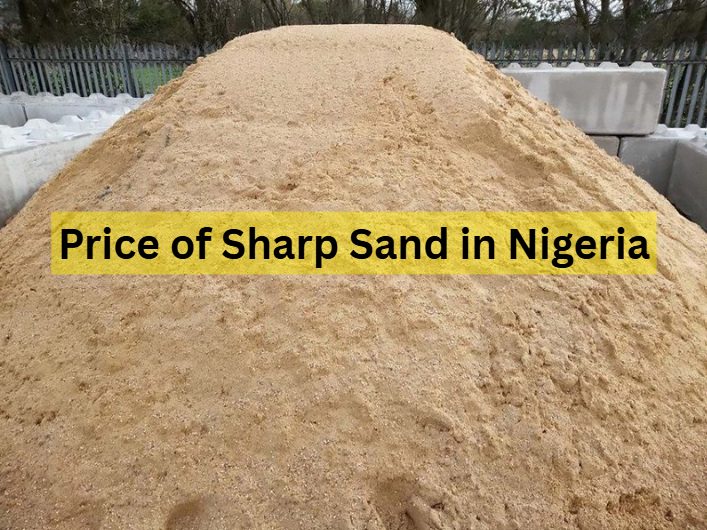
Sharp sand remains one of the most important materials used in building and construction projects across Nigeria. From laying foundations and casting concrete to block moulding and floor screeding, it plays a vital role in ensuring the strength and durability of structures. As construction costs continue to fluctuate, many builders, homeowners, contractors, and property developers are actively searching for the current price of sharp sand in Nigeria before starting new projects.
However, the cost of sharp sand is rarely the same across different locations. Factors such as transportation distance, fuel prices, accessibility to dredging sites, seasonal demand, and local market conditions can all influence how much buyers pay. In some areas, the difference in price between two suppliers may be significant, making it important to understand the market before placing an order.
This guide provides a comprehensive breakdown of sharp sand prices in Nigeria in 2026, including the average cost per trip, ton, and truckload. It also explores regional price variations, factors affecting market rates, tips for identifying quality sharp sand, and practical advice that can help you make informed purchasing decisions for your construction.
So, if this is what you are looking for, continue reading, you are in the right place!
Also check: 7 Reasons You Should Fence Your Land Immediately After Purchase
What Is Sharp Sand?
Before heading to the price of sharp sand in Nigeria, let’s clearly understand what sharp sand is!
Sharp sand, also known as grit sand or river sand, is a type of coarse-grained sand widely used in construction and civil engineering projects. It is characterized by its larger, angular particles, which allow it to bind effectively with cement, gravel, and other building materials. Due to its texture and strength-enhancing properties, sharp sand is often preferred for applications that require a solid and durable finish.
Unlike finer sands that are commonly used for plastering or decorative purposes, sharp sand contains rougher grains that improve the stability of concrete and mortar mixes. These angular particles create stronger interlocking bonds, helping structures withstand pressure and environmental conditions over time.
In Nigeria, sharp sand is typically sourced from riverbeds, dredging locations, and approved excavation sites. After extraction, it is transported to construction sites, building material depots, and suppliers across the country for use in residential, commercial, and infrastructure projects.
Current Price of Sharp Sand in Nigeria (2026)
The cost or price of sharp sand in Nigeria varies depending on location, supplier, transportation distance, and the quantity being purchased. Areas located closer to dredging sites and sand excavation zones often enjoy lower prices, while buyers in urban centers and regions that require long-distance haulage may pay considerably more.
As of 2026, sharp sand remains one of the most in-demand construction materials in the country due to ongoing residential developments, commercial building projects, and infrastructure expansion. Because suppliers typically sell sharp sand by truckload rather than by weight, pricing is usually determined by vehicle capacity and delivery location.
So, without wasting time, let’s take a close look at the price of sharp sand in Nigeria by truck size.
Also Check: How Inflation Affects Property Prices in Nigeria
Sharp Sand Price by Truck Size
Construction projects rarely require the same quantity of materials. A small residential project may only need a few tons of sharp sand, while large commercial developments often require multiple truckloads. Understanding how pricing changes according to truck capacity can help buyers estimate material costs more accurately and plan their budgets effectively.
Let’s proceed and explore the prices!
Note: It is important to note that these figures serve as general market estimates and may differ from one state to another. Buyers should always request current quotations from local suppliers before making purchasing decisions.
Price of Sharp Sand Per 5-Ton Truck
A 5-ton truck is commonly used for minor construction activities such as small foundations, floor screeding, landscaping projects, and limited block production. It is often preferred by homeowners who want to avoid over-purchasing materials.
The average cost of a 5-ton truck of sharp sand in Nigeria ranges between ₦40,000 and ₦75,000, depending on delivery distance and local market conditions.
Price of Sharp Sand Per 10-Ton Truck
A 10-ton truck is a popular choice for medium-sized residential projects. It provides a larger quantity of material while offering better value per ton compared to smaller deliveries.
In most parts of Nigeria, a 10-ton truckload of sharp sand typically costs between ₦80,000 and ₦150,000. Prices may increase in areas located far from major sand sourcing locations.
Price of Sharp Sand Per 20-Ton Truck
Large housing developments and commercial construction projects often rely on 20-ton trucks to reduce transportation costs and maintain a steady supply of materials on-site.
The average market price for a 20-ton truck of sharp sand generally falls between ₦160,000 and ₦300,000, although rates can be higher in locations where haulage expenses are significant.
Price of Sharp Sand Per 30-Ton Truck
For contractors handling extensive construction works, a 30-ton truck offers a practical way to secure large volumes of sharp sand in a single delivery.
Depending on location and supplier pricing, a 30-ton truckload commonly sells for ₦240,000 to ₦450,000. Bulk purchases may attract discounts from some suppliers, especially when multiple deliveries are ordered.
Price of Sharp Sand Per Full Trailer Load
A full trailer load is typically used for major infrastructure projects, estate developments, road construction, and other large-scale building operations. Purchasing in trailer quantities often results in lower transportation costs per ton when compared to smaller truckloads.
Across Nigeria, the cost of a full trailer load of sharp sand generally ranges from ₦500,000 to over ₦900,000, depending on the volume supplied, travel distance, and prevailing market conditions.
Also Check: Safe Locations to Build a Home Away From Flood Zones in Nigeria
Sharp Sand Prices Across Major States in Nigeria
The price of sharp sand can vary significantly from one state to another. While the quality of the material may be similar, factors such as proximity to dredging locations, transportation networks, urban development activity, and local demand often influence what buyers pay.
States with easy access to rivers, sand excavation sites, and dredging operations generally enjoy lower supply costs. On the other hand, locations that depend heavily on long-distance transportation may experience higher market prices.
Below is an overview of prevailing sharp sand prices across some of Nigeria’s major construction markets.
Lagos State
Lagos remains one of the largest consumers of construction materials in Nigeria due to its rapid urban expansion and continuous real estate development. Although the state benefits from numerous dredging operations and waterways, high demand from residential and commercial projects often keeps prices competitive.
Builders and developers in Lagos can generally expect to pay between ₦180,000 and ₦350,000 for a standard 20-ton truckload of sharp sand, depending on the exact location and delivery distance.
Abuja (FCT)
The Federal Capital Territory continues to witness substantial construction activity, ranging from private housing projects to large-scale infrastructure developments. Since much of the sharp sand supplied to Abuja is transported from surrounding states, transportation costs often contribute to higher market rates.
A 20-ton truckload typically costs between ₦200,000 and ₦380,000 within many parts of the FCT.
Rivers State
As one of Nigeria’s major riverine states, Rivers has relatively easy access to sand dredging operations. The abundance of natural waterways supports a steady supply of construction sand, helping to moderate prices in many areas.
In most locations across the state, buyers can expect a 20-ton truckload to range from ₦170,000 to ₦320,000.
Ogun State
Ogun State’s proximity to Lagos and its growing industrial sector have increased demand for construction materials in recent years. However, access to multiple supply routes helps maintain relatively stable pricing.
Sharp sand prices in Ogun commonly fall between ₦170,000 and ₦300,000 for a 20-ton truck delivery.
Oyo State
Construction activities in cities such as Ibadan continue to drive demand for building materials throughout Oyo State. Availability from nearby supply zones often helps keep prices within a moderate range compared to some highly urbanized markets.
A typical 20-ton truckload may cost between ₦160,000 and ₦290,000.
Delta State
Delta State benefits from numerous river channels and sand extraction activities, making sharp sand readily available in many communities. The availability of local supply can help reduce transportation expenses for nearby buyers.
Prices generally range from ₦170,000 to ₦310,000 for a standard 20-ton truckload.
Edo State
With ongoing residential and commercial development in cities such as Benin City, demand for construction materials remains strong. Local availability helps support supply, although pricing may vary depending on the distance from extraction sites.
Most buyers can expect to pay between ₦160,000 and ₦300,000 for a 20-ton truck of sharp sand.
Kano State
Unlike many southern states that enjoy direct access to river-based sand extraction, Kano often relies on transportation from various supply locations. As a result, haulage costs may have a greater impact on final market prices.
In many parts of Kano State, a 20-ton truckload of sharp sand typically ranges from ₦220,000 to ₦400,000.
Also Check: Real Estate vs Agriculture in Nigeria: Which Investment Is More Profitable?
Factors Affecting the Price of Sharp Sand in Nigeria
The price of sharp sand in Nigeria is not determined by a single factor. Even within the same state, prices may vary depending on location, supplier, market conditions, and transportation requirements. Understanding these influences can help buyers estimate costs more accurately and make better purchasing decisions.
Transportation and Haulage Costs
Transportation is often one of the biggest contributors to the final cost of sharp sand. Since the material is usually delivered in large quantities, the distance between the supply source and the construction site can significantly affect pricing. Longer delivery routes typically result in higher haulage expenses, which are passed on to the buyer.
Distance from Dredging Sites
Communities located near major dredging and excavation areas generally enjoy easier access to sharp sand. In contrast, locations farther away often incur additional logistics costs, leading to higher market prices. This explains why identical quantities of sharp sand may cost different amounts in separate regions.
Fuel Prices
The transportation of construction materials relies heavily on trucks and heavy-duty vehicles. Changes in diesel and fuel prices can directly influence the cost of moving sharp sand from extraction sites to customers. When fuel costs rise, suppliers often adjust their prices to maintain operational profitability.
Seasonal Demand
Construction activity is not always constant throughout the year. During periods of increased building activity, demand for sharp sand often rises, placing additional pressure on supply. As a result, prices may increase, particularly in rapidly developing urban areas.
Government Regulations and Levies
Certain operational permits, environmental compliance requirements, taxes, and local government levies can influence the overall cost of sand extraction and distribution. These expenses may eventually be reflected in the prices charged by suppliers.
Road Accessibility
The condition of roads leading to construction sites can also affect delivery costs. Poor road networks, difficult terrain, or locations with limited vehicle access may require additional logistics planning, which can increase the total amount paid by buyers.
Supply and Market Competition
Areas with multiple suppliers and abundant availability often experience more competitive pricing. Conversely, locations with limited suppliers may witness higher prices due to reduced competition and supply constraints.
Also Check: Borehole Drilling Price in Nigeria: Full Cost Breakdown by Depth & Location
Where to Buy Sharp Sand in Nigeria
Being aware of the price of sharp sand in Nigeria is one thing, and finding a reliable supplier is just another important thing. Purchasing from reputable sources can help ensure that you receive the correct quantity, good-quality material, and timely delivery for your project.
Directly from Dredging Sites
Many contractors and large-scale developers prefer sourcing sharp sand directly from dredging locations. Buying at the source can sometimes reduce intermediary costs, particularly for projects that require substantial quantities. However, buyers may still need to arrange transportation to the project site.
Through Building Material Suppliers
Building material dealers remain one of the most common sources of sharp sand across Nigeria. These suppliers often provide flexible delivery options and can supply different quantities depending on project requirements. For many homeowners, this is the most convenient purchasing method.
Through Construction Contractors
Some construction companies and contractors supply materials as part of their project management services. This option can simplify procurement, especially for clients who prefer to have both material sourcing and construction handled by the same team.
Online Building Material Marketplaces
The growing adoption of digital platforms has made it easier to connect with suppliers and compare quotations from multiple vendors. Online marketplaces can help buyers review available options, request delivery estimates, and identify suppliers operating within their location.
Local Sand Depots and Distribution Centers
In many cities and growing communities, sand depots serve as distribution points where contractors and property owners can purchase construction materials. These locations often provide easier access to supplies without requiring direct engagement with dredging operators.
Recommendations from Builders and Engineers
Experienced builders, engineers, and project supervisors often maintain relationships with trusted suppliers. Seeking recommendations from construction professionals can help buyers avoid unreliable vendors and reduce the risk of receiving poor-quality materials.
Also Check: Nigeria Made Latest Chairs For Sitting Room
How to Identify Quality Sharp Sand Before Buying
Not all sharp sand available in the market offers the same quality. The performance of concrete, blocks, foundations, and other structural elements can be affected by the type of sand used. Before placing an order, buyers should take time to assess the quality of the material to avoid construction problems and unnecessary expenses.
So, now that you know the price of sharp sand in Nigeria, let’s go ahead and discuss how to identify quality sharp sand!
Check the Grain Texture
One of the easiest ways to identify quality sharp sand is by examining its texture. Good sharp sand typically contains coarse, gritty particles that feel rough when rubbed between the fingers. The angular shape of these grains helps create stronger bonds when mixed with cement and aggregates.
If the sand feels excessively smooth or powdery, it may contain a high percentage of fine particles that are less suitable for certain structural applications.
Look for Excessive Clay Content
Clay contamination can reduce the effectiveness of sharp sand in concrete and mortar mixes. Sand with a high clay content may appear sticky when wet and can form lumps when squeezed by hand.
Excessive clay can weaken bonding performance and may affect the overall durability of construction work. For this reason, builders often prefer cleaner sand with minimal impurities.
Inspect for Organic Materials
Quality sharp sand should be relatively free from organic matter such as leaves, roots, wood fragments, and other decomposing materials. Organic contaminants can interfere with cement hydration and potentially compromise the strength of finished structures.
A visual inspection can often reveal whether the sand contains unwanted materials.
Verify Moisture Levels
Although some moisture is normal, overly saturated sand may affect mix proportions during construction. Excessive water content can make it difficult to accurately measure material quantities and may alter the intended cement-to-sand ratio.
Buyers should be aware that freshly dredged or recently excavated sand often contains more moisture than material that has been properly stored.
Examine Color Consistency
The color of sharp sand may vary depending on its source, but it should generally appear consistent throughout the load. Significant color variations within the same delivery could indicate contamination or the mixing of different materials.
Consistency often reflects better quality control during extraction and supply.
Request a Sample Inspection
For large construction projects, requesting a sample before placing a major order can be a wise decision. A small sample allows builders, engineers, or project supervisors to assess the material and determine whether it meets project requirements before committing to a bulk purchase.
Confirm the Source of Supply
Understanding where the sand originates can provide additional confidence in its quality. Established suppliers that source materials from reputable dredging or excavation locations are often more likely to provide consistent products than unknown or unverified vendors.
Carefully evaluating these factors before purchase can help reduce construction risks and ensure that the material performs as expected throughout the lifespan of the project.
Also Check: Latest Modern Bed Frame Designs in Nigeria
Common Mistakes Buyers Make When Purchasing Sharp Sand
Buying Based on Price Alone
Many buyers focus exclusively on finding the lowest available price. While saving money is important, unusually cheap offers may indicate poor-quality material, inaccurate quantities, or hidden delivery charges.
The best approach is to balance affordability with quality, reliability, and supplier reputation.
Ignoring Delivery Costs
Some suppliers provide attractive material prices but charge significant transportation fees. Buyers who fail to consider delivery expenses may end up paying far more than expected.
Always request a complete quotation that includes both material and transportation costs before making comparisons.
Not Verifying Truck Capacity
One common mistake is assuming that every truck carries the same quantity of sharp sand. Truck capacities vary considerably, and misunderstandings regarding load size can affect project budgeting and material planning.
Confirming the truck’s carrying capacity before delivery helps ensure that you receive the quantity you paid for.
Failing to Inspect the Material
Accepting deliveries without checking the quality of the sand can create problems later in the construction process. Contaminated, poorly graded, or unsuitable sand may affect structural performance and increase material wastage.
Whenever possible, inspect the material before unloading or arrange for a qualified professional to do so.
Ordering the Wrong Quantity
Underestimating material requirements can lead to project delays and additional transportation costs from repeat orders. Overestimating quantities can also result in unnecessary spending and excess materials that may not be used.
Proper planning and consultation with builders or engineers can help determine the appropriate quantity for a specific project.
Choosing Unverified Suppliers
Working with unknown suppliers without conducting basic verification can expose buyers to risks such as delayed deliveries, inconsistent quality, or inaccurate measurements.
Checking reviews, requesting referrals, and seeking recommendations from trusted construction professionals can help reduce these risks.
Purchasing During Peak Construction Periods
During periods of heightened construction activity, demand for sharp sand often increases. Buyers who wait until these peak periods may face higher prices, limited availability, or delivery delays.
Where possible, planning purchases ahead of time can help secure more favorable pricing and smoother logistics.
Avoiding these common mistakes can help homeowners, contractors, and developers manage construction costs more effectively while ensuring that projects proceed without unnecessary interruptions.
Also check: Latest House Painting Designs in Nigeria (Beautiful Color Trends for Modern Homes)
Price of Sharp Sand in Nigeria: Final Thoughts
Conclusion
Understanding the price of sharp sand in Nigeria goes beyond simply knowing the latest market rates. Factors such as location, transportation costs, supplier availability, material quality, and project requirements all play an important role in determining how much you are likely to spend.
Whether you are building a residential home, managing a commercial development, or undertaking a large-scale construction project, taking time to compare quotations, verify quantities, and assess material quality can help you achieve better value for your investment. A well-informed purchasing decision not only helps control costs but also contributes to the long-term strength and durability of the structure being built.
As construction activities continue to grow across the country, sharp sand will remain a vital component of many building projects. By understanding current market trends and working with reliable suppliers, buyers can confidently source the right materials while keeping their projects on schedule and within budget.
Before placing an order, consider obtaining quotations from multiple suppliers in your area and confirm that delivery charges, load capacity, and material quality are clearly stated. Doing so can help you avoid unnecessary expenses and ensure a smoother construction process from start to finish.
Before you exit, don’t forget to explore the latest properties in Nigeria. We have all kinds of properties that can interest you!


Join The Discussion