
 by
by 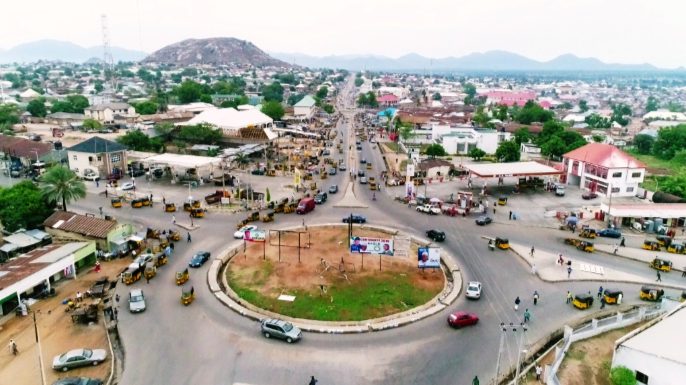
Do you want to know the richest local government in Taraba State? If your answer to the question is yes, then continue reading. We’ve got you covered!
Taraba State is often described as Nature’s Gift to the Nation, but beyond its scenic mountains, rivers, and fertile lands lies an economy quietly powered by a few outstanding local governments. Across the state, some local government areas (LGAs) have grown into economic strongholds due to their strategic locations, vibrant markets, agricultural productivity, and concentration of government and commercial activities.
When people ask about the richest local government in Taraba State, they are not referring to oil wealth or flashy industries. Instead, wealth in Taraba is shaped by real economic activities such as farming, trade, transportation, public institutions, and population-driven commerce. These factors determine how money circulates, jobs are created, and infrastructure develops within an area.
In this article, we take a closer look at the top 5 richest local governments in Taraba State and explore what truly makes them economically powerful. Rather than focusing on assumptions or popularity, this guide highlights the practical strengths that set these LGAs apart and explain why they play such a critical role in the state’s overall economic growth.
Whether you are a researcher, investor, student, or simply curious about Taraba State’s economic landscape, this breakdown will give you a clear and engaging insight into where the real economic action happens.
So, let’s dive…!
Also Check: Top 10 Richest Local Governments in Plateau State: Discover the Wealthiest Areas Today
How We Determined the Richest Local Governments in Taraba State
Determining the richest local government in Taraba State goes beyond assumptions or political relevance. Since most local governments in the state are not driven by heavy industries or oil revenue, economic strength is best measured by how active, productive, and sustainable an area’s economy is in real terms.
For this ranking, we focused on practical and observable indicators that reflect genuine economic power and long-term development. These factors help explain why some LGAs consistently stand out as economic hubs while others remain largely rural and less commercialized.
Below are the key criteria used to identify the top 5 richest local governments in Taraba State:
Level of Commercial and Market Activities
Local governments with busy markets, strong trading culture, and a high number of small and medium-scale businesses naturally generate more economic activity. These markets serve not only local residents but also traders from neighboring LGAs and states, increasing cash flow within the area.
Agricultural Productivity and Agribusiness
Agriculture remains the backbone of Taraba State’s economy. LGAs with large-scale farming, cash crop production, livestock rearing, and active produce markets were given strong consideration. Areas that support agribusiness and food distribution play a major role in defining the richest local government in Taraba State.
Strategic Location and Connectivity
Some local governments benefit from their proximity to major towns, highways, or state institutions. Easy access to transportation routes encourages trade, movement of goods, and business expansion, making such LGAs economically stronger than more isolated areas.
Presence of Government Institutions and Services
LGAs that host state ministries, educational institutions, hospitals, and administrative offices enjoy steady economic activity. Civil service employment, student populations, and public services all contribute to local commerce and income circulation.
Population and Urban Development
A growing population often translates to increased demand for housing, food, transportation, and services. Local governments experiencing urban expansion and infrastructure development tend to rank higher when assessing the richest local governments in Taraba State.
By combining these factors, we were able to identify local governments that consistently demonstrate economic strength, resilience, and growth potential. The result is a balanced and realistic ranking that reflects how wealth is created and sustained across Taraba State.
Also Check: Top 10 Richest Local Governments in Enugu State (Latest Update)
Top 5 Richest Local Governments in Taraba State
If you are searching for the richest local government in Taraba State, below are the top five wealthiest:
1. Jalingo Local Government Area – The Economic Heart of Taraba State
Jalingo Local Government Area stands out as the strongest contender for the richest local government in Taraba State, largely because it serves as the state capital and administrative center. Its status alone attracts continuous economic activity, but Jalingo’s strength goes far beyond government presence.
As the seat of the Taraba State Government, Jalingo hosts major ministries, agencies, educational institutions, and healthcare facilities. These institutions create steady employment and attract workers, students, and service providers from across the state. The resulting population concentration fuels housing demand, transportation services, food businesses, and retail trade.
Jalingo is also home to some of the most active markets in the state, where agricultural produce, household goods, and manufactured items are traded daily. Farmers from surrounding LGAs bring crops such as maize, rice, yam, and vegetables into the city, making Jalingo a central distribution point. This strong link between agriculture and commerce plays a key role in why Jalingo consistently ranks among the richest local governments in Taraba State.
Beyond markets and government offices, the city’s expanding urban layout encourages private investment in real estate, hospitality, and small-scale manufacturing. Together, these factors firmly position Jalingo as an economic powerhouse and a benchmark when discussing the richest local government in Taraba State.
2. Bali Local Government Area – A Major Agricultural and Trade Hub
Bali Local Government Area earns its place among the richest local governments in Taraba State due to its remarkable agricultural strength and growing commercial influence. Often referred to as one of Taraba State’s food-producing centers, Bali’s economy is deeply rooted in large-scale farming and active trade networks.
The area is widely known for the cultivation of crops such as rice, maize, sorghum, and groundnuts, alongside livestock farming. These agricultural activities support not only local consumption but also supply markets within and outside Taraba State. The steady flow of farm produce into regional markets gives Bali a strong economic advantage and places it among the richest local governments in Taraba State by agricultural output.
Bali’s strategic location further boosts its economic relevance. The local government serves as a link between several rural communities and larger commercial towns, allowing traders and transporters to move goods efficiently. This connectivity encourages market expansion, business growth, and income generation at the grassroots level.
In addition, Bali hosts busy local markets that attract buyers and sellers from neighboring LGAs. The combination of fertile land, hardworking farming communities, and active trade routes explains why Bali continues to grow economically and remains a strong candidate whenever discussions arise about the richest local government in Taraba State.
Also Check: The Richest Local Government in Kogi State: Top 10 Richest & Key Facts
3. Wukari Local Government Area – Commerce, Culture, and Cross-Regional Trade
Wukari Local Government Area holds a unique position in Taraba State’s economic landscape, making it one of the strongest contenders among the richest local governments in Taraba State. Its long-standing role as a commercial and cultural center has helped shape a resilient and diversified local economy.
Wukari is widely recognized for its vibrant trading activities. Its markets attract traders from different parts of Taraba State and neighboring regions, creating a steady exchange of goods and services. Agricultural produce from nearby farming communities flows into Wukari’s markets, while manufactured and household goods move outward to rural areas. This constant circulation of trade strengthens local income and employment.
Another key factor behind Wukari’s economic strength is its population and urban structure. As one of the more developed towns in the state, Wukari supports a wide range of businesses, including transportation services, hospitality, retail shops, and small enterprises. These activities contribute significantly to why Wukari is often mentioned when discussing the richest local government in Taraba State.
Cultural and educational institutions (such as Federal University Wukari) within the area also play a role by attracting students, visitors, and professionals. This influx further stimulates commerce, housing demand, and service-based businesses, reinforcing Wukari’s position as a major economic hub.
4. Karim-Lamido Local Government Area – Agricultural Strength and Natural Resources
Karim-Lamido Local Government Area earns its spot among the top five due to its strong agricultural base and rich natural environment. The LGA is one of the largest in Taraba State by landmass, giving it access to vast fertile lands that support diverse farming activities.
Agriculture remains the backbone of Karim-Lamido’s economy. Crops such as rice, millet, maize, and legumes are produced in significant quantities, while fishing activities around nearby water bodies contribute to local livelihoods. These agricultural outputs supply markets within Taraba State and beyond, strengthening the area’s economic relevance.
The presence of natural resources and favorable environmental conditions also gives Karim-Lamido long-term economic potential. Farming communities, local traders, and transporters benefit from the steady movement of produce, making the LGA an important contributor to food security and income generation. These factors place Karim-Lamido firmly on the list of the richest local governments in Taraba State from an agrarian perspective.
While the area is still developing in terms of urban infrastructure, its agricultural productivity and land resources continue to attract attention as key drivers of economic growth.
Also Check: The Richest Local Government in Benue State (Top 10)
5. Takum Local Government Area – A Growing Center of Trade and Agriculture
Takum Local Government Area rounds off the list of the top five richest local governments in Taraba State due to its steady economic growth and strong agricultural and trading activities. Located in the southern part of Taraba State, Takum has developed into an important link between rural farming communities and larger commercial centers.
Agriculture forms the foundation of Takum’s economy. Farmers in the area are actively involved in the cultivation of crops such as cassava, yam, maize, and rice, alongside small-scale livestock farming. These products feed local markets and are transported to neighboring towns and states, generating consistent income for residents and traders. This sustained productivity is one of the reasons Takum features among the richest local governments in Taraba State.
Takum’s markets are another major strength. They attract traders from surrounding LGAs, creating a vibrant commercial atmosphere that supports transportation, food processing, and retail businesses. Over time, these market activities have encouraged the growth of small enterprises and improved local economic resilience.
In recent years, gradual improvements in infrastructure and population growth have further boosted economic activity in Takum. While it may not yet match the scale of larger urban LGAs, its upward economic trajectory and strong agricultural base make it a notable contributor when assessing the richest local government in Taraba State.
Also Check: Why Investing in Rural Land for Agribusiness in Nigeria Could Be the Next Big Opportunity
Why These Local Governments Matter to Taraba State’s Economy
The combined impact of these five local governments goes beyond their individual boundaries. Together, they form the economic backbone of Taraba State by supporting employment, food production, internal trade, and service delivery.
LGAs like Jalingo and Wukari drive administrative and commercial activities, while areas such as Bali, Karim-Lamido, and Takum strengthen the state’s agricultural supply chain. This balance between urban commerce and rural productivity is essential for sustainable economic development and explains why these areas consistently stand out among the richest local governments in Taraba State.
Frequently Asked Questions About the Richest Local Government in Taraba State
What is Taraba famous for?
Taraba State is famous for its rich natural landscape, fertile agricultural land, and cultural diversity. Often referred to as Nature’s Gift to the Nation, the state is known for attractions such as the Mambilla Plateau, waterfalls, mountains, and rivers. Economically, Taraba is widely recognized for agricultural production, especially crops like tea, coffee, rice, maize, and root crops, as well as livestock farming. These strengths form the backbone of the state’s economy.
Which is the richest local government in Taraba State?
Jalingo Local Government Area is widely regarded as the richest local government in Taraba State. As the state capital, Jalingo hosts key government institutions, major markets, educational centers, and service-based businesses. This concentration of administrative, commercial, and population-driven activities gives it a stronger and more diversified economy compared to other local governments in the state.
Which local government has the highest population in Taraba State?
Jalingo Local Government Area is generally considered the most populous local government in Taraba State. Its status as the capital city attracts civil servants, students, traders, and job seekers from across the state, leading to steady population growth and increased economic activity.
What is the major town in Taraba State?
Jalingo is the major town in Taraba State. It serves as the administrative headquarters of the state and functions as the center of governance, commerce, education, and transportation. Most state-level activities are coordinated from Jalingo, making it the most prominent urban area in Taraba State.
Which tribe is the majority in Taraba State?
Taraba State is one of Nigeria’s most ethnically diverse states, with no single tribe overwhelmingly dominating the population. However, ethnic groups such as the Jukun, Mumuye, Fulani, and Kona are among the most prominent. This diversity contributes to the state’s rich cultural heritage and social structure.
Also Check: Top 10 Best Places to Live in Abuja Currently
The Richest Local Government in Taraba State: Final Thoughts
Taraba State’s economy is built on a solid mix of agriculture, trade, public institutions, and growing urban centers. While many local governments contribute to the state’s development, a closer look at economic activity clearly shows why some areas stand out more than others.
From the administrative strength of Jalingo to the agricultural productivity of Bali, Karim-Lamido, and Takum, as well as the commercial influence of Wukari, these LGAs collectively drive employment, food supply, and internal commerce across the state. Their roles highlight how economic strength in Taraba State is shaped by real, everyday activities rather than a single source of wealth.
When it comes to identifying the richest local government in Taraba State, Jalingo remains the most prominent due to its concentration of government institutions, markets, population, and services. However, economic dynamics are constantly evolving, and continued investment, infrastructure development, and population growth could reshape the rankings over time.
Understanding these local governments provides valuable insight for investors, researchers, policymakers, and residents seeking to appreciate Taraba State’s economic landscape.
Join The Discussion