
 by
by 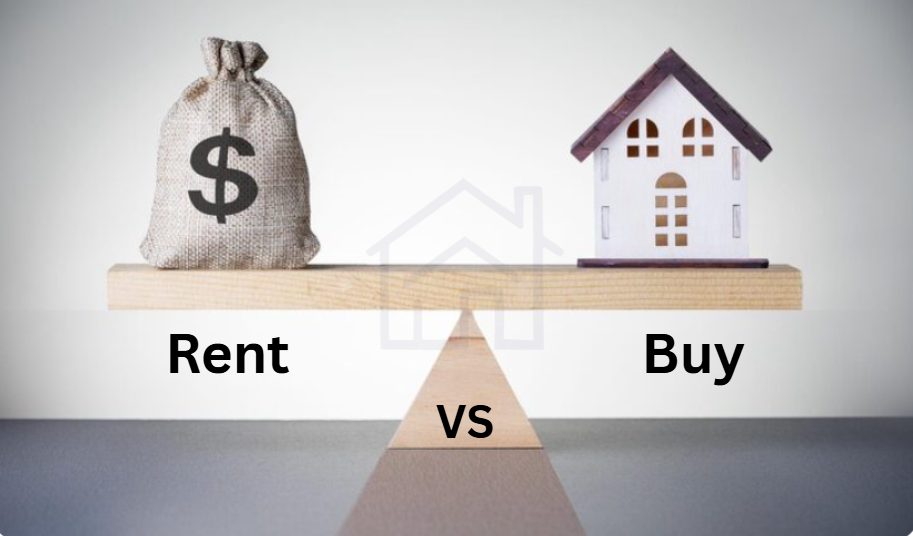
Deciding whether to rent or buy a house in Nigeria has become one of the biggest financial questions many Nigerians face today. With rising rent costs, increasing property prices, inflation, and unstable income levels, choosing the right option can significantly affect your finances and lifestyle in the long run.
For some people, renting offers flexibility and fewer responsibilities. For others, buying a house feels like a smarter long-term investment and a sense of security. However, the Nigerian housing market comes with unique realities—such as yearly rent payments, high upfront costs, limited mortgage access, and location-based price differences—that make this decision far from straightforward.
This guide breaks down the rent vs buy debate in Nigeria in a clear and practical way, helping you understand which option makes more sense based on your situation. Whether you’re a young professional, a growing family, or planning for the future, this article will help you make a more informed housing decision without pressure or assumptions.
So, grab a seat, relax, and continue reading if this interests you!
Also Check: How Inflation Affects Property Prices in Nigeria
What Does Renting a House in Nigeria Mean?
Renting a house in Nigeria means living in a property that you do not own, in exchange for paying rent to a landlord for an agreed period. During this time, the tenant has the legal right to occupy and use the property, as long as the terms of the rental agreement are followed.
In Nigeria, renting is commonly structured around advance payments, usually covering one or two years upfront, depending on the location and the landlord’s preference. This system is especially common in major cities like Lagos, Abuja, and Port Harcourt, where housing demand is high.
When you rent a house, ownership of the property remains entirely with the landlord. The tenant is typically responsible for keeping the property in good condition, while major structural issues are usually handled by the landlord, based on the tenancy agreement.
Renting is widely practiced across Nigeria because it requires a lower initial commitment compared to buying a house. It allows people to live in desired locations without the heavy financial burden of property ownership. However, tenants must comply with rent increases, renewal terms, and house rules set by the landlord.
Also Check: Houses for Rent in Abuja
What Does Buying a House in Nigeria Mean?
Buying a house in Nigeria means acquiring full legal ownership of a residential property, either for personal use or long-term investment. Once the purchase is completed and proper documentation is obtained, the buyer becomes the rightful owner and is no longer required to pay rent to anyone.
Homeownership in Nigeria can happen in different ways. Some people buy houses outright with full payment, while others purchase through installment plans offered by real estate developers. In fewer cases, buyers may use mortgage financing, although access to mortgages in Nigeria is still limited and often comes with strict requirements.
When you buy a house, all responsibilities related to the property belong to you. This includes maintenance, repairs, renovations, and compliance with property-related regulations. Unlike renting, there is no fixed occupancy period—you can live in the house for as long as you want, sell it, or lease it out to tenants.
Buying a house in Nigeria is often viewed as a long-term financial commitment rather than a short-term housing solution. It usually involves significant upfront costs and careful planning, especially when considering location, legal documentation, and future property value.
Also Check: Houses for Rent in Lagos
Cost Comparison: Renting vs Buying in Nigeria
When comparing renting and buying a house in Nigeria, cost is often the biggest deciding factor. However, these costs go beyond just rent or purchase price. Understanding both short-term and long-term financial commitments helps clarify which option makes more financial sense.
Upfront Costs
For renters, the main upfront cost is advance rent payment, which typically covers one to two years. Tenants may also pay agency fees, legal fees, and caution deposits before moving in.
Buying a house, on the other hand, involves much higher initial expenses. These include the purchase price of the property, legal documentation fees, survey and deed of assignment costs, and sometimes development or service charges. In most cases, these upfront costs are significantly higher than what renters pay to secure a home.
Recurring Costs
Renting comes with predictable recurring costs, mainly rent renewal payments when the tenancy expires. While rent may increase over time, renters are generally not responsible for major structural repairs or property taxes.
For homeowners, recurring costs include maintenance, repairs, property taxes, service charges, and other ongoing expenses required to keep the house in good condition. These costs vary depending on the property type and location but can add up over the years.
Hidden and Additional Expenses
Renters may face unexpected costs such as rent increases, relocation expenses, or payment demands for property improvements not initially planned for.
Homebuyers also face hidden costs, including renovation expenses, security costs, and legal fees during resale or property transfers. These expenses are often overlooked during the buying process but affect overall affordability.
Long-Term Financial Impact
Over time, rent payments do not create ownership or financial assets for the tenant. Once the rental period ends, the tenant must continue paying rent to remain in the property.
Buying a house, however, gradually builds property value and personal equity, especially in areas where real estate prices appreciate. While the initial cost is high, ownership may offer long-term financial stability, depending on market conditions.
Also Check: Land for sale in Abuja
Pros and Cons of Renting a House in Nigeria
Renting a house in Nigeria comes with both advantages and disadvantages. While it works well for many people, it may not be suitable for everyone. Understanding both sides helps you decide if renting aligns with your financial situation and lifestyle.
Advantages of Renting a House in Nigeria
One major benefit of renting is flexibility. Tenants can easily relocate when their rent expires, making renting ideal for people who change jobs, cities, or living arrangements frequently.
Renting also requires lower upfront financial commitment compared to buying a house. Aside from advance rent and basic fees, tenants do not need to worry about large capital investments.
Another advantage is reduced responsibility for property maintenance. In many cases, landlords handle major structural repairs, which helps tenants avoid unexpected large expenses.
Renters can also live in prime locations that might be unaffordable to buy in, such as city centers or high-demand neighborhoods.
Disadvantages of Renting a House in Nigeria
One of the biggest downsides of renting is lack of ownership. No matter how long rent is paid, the property never becomes the tenant’s asset.
Rent increases are another common challenge. Landlords may increase rent upon renewal, especially in high-demand areas, which can disrupt financial planning.
Tenants also face limited control over the property. Making changes or renovations usually requires landlord approval, which may not always be granted.
Additionally, the advance rent system in Nigeria can be financially stressful, as tenants must pay large sums upfront rather than spreading payments monthly.
Also Check: Land for sale in Lagos
Pros and Cons of Buying a House in Nigeria
Buying a house in Nigeria is often seen as a major life achievement. While homeownership offers long-term benefits, it also comes with responsibilities and financial risks that must be carefully considered.
Advantages of Buying a House in Nigeria
One of the biggest advantages of buying a house is full ownership and security. Once you own a property, you no longer have to worry about rent increases or eviction due to tenancy expiration.
Homeownership also allows for complete control over the property. Owners can renovate, modify, or expand their homes without seeking approval from a landlord.
Another key benefit is long-term value. Properties in many parts of Nigeria tend to appreciate over time, which can increase the owner’s net worth and provide future financial leverage.
Buying a house also offers a sense of stability, especially for families who prefer permanent housing and long-term settlement in one location.
Disadvantages of Buying a House in Nigeria
The most obvious drawback of buying a house is the high upfront cost. Purchasing a property often requires a large sum of money, which may be difficult for many Nigerians to raise at once.
Homeowners are fully responsible for maintenance and repairs. From minor fixes to major structural issues, all costs fall on the owner.
Buying a house also reduces financial flexibility. Money tied up in property is not easily accessible, and selling a house can take time, especially in slow markets.
Additionally, navigating legal documentation and land ownership issues in Nigeria can be complex and requires careful due diligence to avoid disputes.
Also Check: Houses For Rent in Ibadan
Key Factors to Consider Before Choosing Rent or Buy in Nigeria
Before deciding whether to rent or buy a house in Nigeria, it’s important to evaluate certain personal and economic factors. These elements play a major role in determining which option aligns better with your current and future situation.
Income Stability
A stable and predictable income is crucial when considering long-term housing decisions. Buying a house often requires consistent income to manage maintenance, taxes, and other ongoing costs. Renting may be more suitable for individuals with irregular or uncertain income streams.
Location and Property Prices
Housing costs vary widely across Nigeria. Cities like Lagos, Abuja, and Port Harcourt have significantly higher rent and property prices compared to smaller towns and rural areas. The affordability of renting or buying largely depends on where you plan to live.
Job Mobility
If your job or business requires frequent relocation, renting may offer greater convenience. Buying a house is generally better suited for people who plan to stay in one location for a long time.
Family Size and Lifestyle
Family needs can influence housing decisions. Larger families may prefer the stability and space that comes with owning a home, while smaller households or single individuals may find renting more practical.
Age and Long-Term Goals
Age and future plans also matter. Younger individuals may prioritize flexibility, while older individuals may focus more on long-term stability and asset ownership. Your personal goals should guide whether renting or buying makes more sense.
Also Check: House for Rent in Makurdi
Rent vs Buy in Nigeria: Which Option Is Better for Different People?
There is no one-size-fits-all answer to the rent versus buy debate in Nigeria. What makes sense often depends on a person’s stage of life, responsibilities, and long-term plans. Below is how renting or buying typically fits different groups of people.
For Young Professionals
Many young professionals are still building their careers and exploring opportunities. Renting often suits this group because it allows flexibility to change jobs or locations without being tied down to a single property.
For Married Couples
Married couples may prefer stability, especially when planning for the future. Depending on financial readiness, buying a house can offer long-term security, while renting may still be practical during the early years of marriage.
For Families With Children
Families with children often value consistency in schooling and community. Buying a house can provide a stable environment, while renting may still work if the family anticipates future relocation or income changes.
For Retirees
Retirees usually seek comfort and stability rather than flexibility. Homeownership can provide peace of mind, especially for those who no longer want recurring rent obligations.
For Real Estate Investors
Some people view housing decisions through an investment lens. Buying property may appeal to investors interested in rental income or long-term appreciation, while renting may allow capital to be invested elsewhere.
Also Check: Difference Between C of O, Deed of Assignment & Governor’s Consent
Rent vs Buy in Nigeria: Quick Comparison Table
| Factor | Renting | Buying |
|---|---|---|
| Ownership | No ownership; property belongs to the landlord | Full ownership; property belongs to you |
| Upfront Costs | Usually 1–2 years advance rent, agency fees, deposits | High initial cost: purchase price, legal fees, survey, and taxes |
| Recurring Costs | Rent payments, possible minor utility fees | Maintenance, repairs, property taxes, service charges |
| Flexibility | High—easy to relocate | Low—property is fixed and harder to move or sell |
| Control Over Property | Limited; landlord approval needed for changes | Full control over renovations, expansions, and use |
| Financial Security | No asset accumulation; rent payments do not build wealth | Builds equity and long-term financial value |
| Risk of Loss | Low—landlord bears major repair costs | Higher—responsible for repairs, market risks, and legal complications |
| Suitability | Ideal for short-term residents, young professionals, or frequent movers | Ideal for long-term residents, families, retirees, and investors |
Also Check: Residential vs Commercial Property: Which Is Better?
Common Myths About Renting and Buying Houses in Nigeria
The Nigerian housing market is full of myths and misconceptions that can confuse renters and buyers. Separating fact from fiction helps make better-informed decisions.
Myth 1: Renting Is a Waste of Money
Many believe that paying rent is “throwing money away.” While rent does not create ownership, it provides flexibility, access to desirable locations, and freedom from major maintenance responsibilities. Renting can be a practical choice depending on personal circumstances.
Myth 2: Buying a House Is Always Better
It is often assumed that owning a house is always the smarter option. While homeownership builds equity, it comes with high upfront costs, ongoing maintenance, and potential legal risks. Buying is not automatically better for everyone, especially those who need mobility or have limited finances.
Myth 3: Only the Rich Can Own Houses in Nigeria
Some think that homeownership is exclusive to the wealthy. While property prices can be high, options such as installment plans, mortgages, and smaller properties make buying achievable for middle-income Nigerians who plan carefully.
Myth 4: Renting Prevents You From Becoming Rich
Paying rent does not stop someone from building wealth. Strategic saving, investing, and proper financial planning can allow renters to grow assets and eventually buy property when financially ready.
Myth 5: Buying Land and Building Is Cheaper Than Buying a House
While building on land may seem cheaper, it often comes with hidden costs like permits, construction delays, and rising material prices. In some cases, buying a ready-to-move-in property may be more predictable and cost-effective.
Also Check: Top 10 Real Estate Companies in Nigeria [latest Update]
Final Verdict: Should You Rent or Buy in Nigeria?
Deciding whether to rent or buy a house in Nigeria ultimately depends on your financial situation, lifestyle, and long-term goals. Renting offers flexibility, lower upfront costs, and freedom from property maintenance, making it suitable for young professionals, frequent movers, or those with uncertain incomes.
Buying a house provides ownership, stability, and long-term value, but requires a significant financial commitment and ongoing responsibilities. It is often the preferred choice for families, retirees, and individuals seeking a permanent home or investment opportunity.
There is no one-size-fits-all answer. The best choice comes from careful evaluation of your income, future plans, and personal priorities. Whether renting or buying, the goal is to ensure your housing decision supports your financial health and lifestyle ambitions in Nigeria.

Join The Discussion