
 by
by 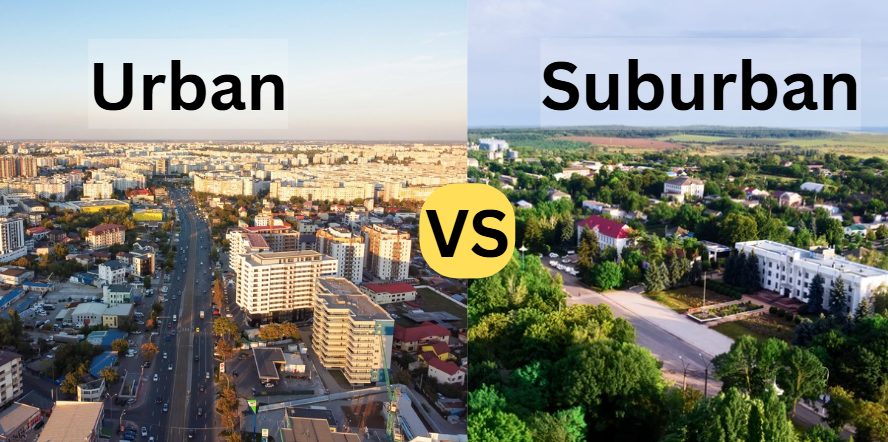
Lagos is a city of choices—fast, loud, ambitious, and constantly expanding. As Nigeria’s economic powerhouse continues to grow outward as much as it grows upward, one housing question keeps coming up for residents, newcomers, and investors alike: is it better to live in urban Lagos or choose a suburban lifestyle instead?
From the bustling streets of Ikoyi and Victoria Island to the quieter, fast-developing communities around Ajah, Ibeju-Lekki, and Ikorodu, the difference between urban and suburban living in Lagos goes far beyond location. It affects daily commute, housing costs, lifestyle pace, access to amenities, and even long-term financial planning.
For some people, being close to offices, entertainment hubs, and business districts is non-negotiable. For others, space, affordability, and a calmer environment matter more—even if it means spending extra time on the road. There is no one-size-fits-all answer, and that’s exactly why the debate exists.
This guide breaks down urban vs suburban living in Lagos in a clear, practical, and experience-based way. Whether you are a young professional, a growing family, a remote worker, or someone considering property investment, this comparison will help you understand the real differences and decide which option truly fits your lifestyle and goals.
So, let’s dive!
Also check: Rent vs Buy in Nigeria: Which Makes More Sense?
What Is Urban Living in Lagos?
Urban living in Lagos refers to residing in the city’s most developed, densely populated, and economically active areas. These locations form the core of Lagos’ commercial, corporate, and social life, attracting professionals, entrepreneurs, expatriates, and businesses that rely on proximity to key services and opportunities.
Urban areas in Lagos are typically characterized by high-rise residential buildings, office complexes, premium apartments, and well-established road networks. These neighborhoods are designed for convenience and speed, where work, social activities, and essential services are often within a short distance.
Common Urban Areas in Lagos
Some of the most recognized urban neighborhoods in Lagos include:
- Victoria Island – Known for its concentration of corporate offices, luxury apartments, hotels, and nightlife.
- Ikoyi – A high-end residential and commercial district with premium housing and government institutions.
- Lekki Phase 1 – A planned urban area popular among young professionals and expatriates.
- Ikeja GRA – A central business hub close to the airport and major government offices.
- Yaba – Often called Lagos’ tech hub, home to startups, universities, and co-working spaces.
These areas are considered urban because of their advanced infrastructure, economic activity, and direct connection to the city’s business ecosystem.
Key Characteristics of Urban Living
Urban living in Lagos is shaped by a fast-paced lifestyle and a strong focus on accessibility. Residents often choose these areas to reduce travel time to work, enjoy better access to services, and stay close to social and professional networks.
Common features of urban living include:
- High population density and busy daily activity
- Higher housing costs compared to outlying areas
- Close proximity to offices, banks, hospitals, malls, and entertainment centers
- A lifestyle that prioritizes convenience, connectivity, and time efficiency
While urban Lagos offers unmatched access to opportunities and amenities, it also comes with the realities of congestion, noise, and premium pricing—factors that play a major role in housing decisions.
Also Check: Houses for Rent in Lagos
What Is Suburban Living in Lagos?
Suburban living in Lagos refers to residing in areas that sit outside the city’s primary commercial and business districts. These locations are typically less crowded, more residential in nature, and continue to expand as Lagos grows outward to accommodate its rising population.
Unlike urban neighborhoods that prioritize proximity to offices and commercial hubs, suburban areas in Lagos are often chosen for their relatively affordable housing, quieter environment, and availability of larger living spaces. Many of these communities are still developing, with infrastructure improving gradually as demand increases.
Popular Suburban Areas in Lagos
Several neighborhoods are widely regarded as suburban due to their distance from major business centers and their residential-focused layout. Popular examples include:
- Ajah – A fast-growing residential area with a mix of estates and standalone houses.
- Sangotedo – Known for gated communities and proximity to large shopping malls.
- Ibeju-Lekki – An emerging suburb attracting long-term residents and property investors.
- Ikorodu – A large residential zone offering more space and lower housing costs.
- Mowe and Magboro – Suburban communities along the Lagos-Ibadan axis popular with commuters.
These areas appeal to residents looking for a balance between city access and a calmer lifestyle.
Key Characteristics of Suburban Living
Suburban living in Lagos is generally defined by space, affordability, and a slower pace of life. Residents often prioritize comfort and long-term value over immediate access to commercial centers.
Typical characteristics include:
- Lower population density and reduced noise levels
- More spacious housing options, including duplexes and family homes
- Longer commute times to major business districts
- Developing infrastructure, with growing access to schools, healthcare, and retail
For many Lagos residents, suburban areas provide an opportunity to enjoy improved living conditions without the premium costs associated with urban neighborhoods.
Also Check: Land for sale in Lagos
Urban vs Suburban Living in Lagos – Key Differences
The difference between urban and suburban living in Lagos becomes clearer when both options are compared across everyday factors that directly affect cost, comfort, and lifestyle. While both offer distinct advantages, they serve different needs depending on work location, income level, family structure, and long-term plans.
Below are the key areas where urban and suburban living in Lagos differ.
Cost of Housing
Housing costs are one of the most noticeable differences between urban and suburban areas in Lagos.
Urban neighborhoods generally command higher rent and property prices due to limited land availability, proximity to commercial centers, and established infrastructure. Apartments and serviced residences are more common, and competition for space often drives prices upward.
Suburban areas, on the other hand, offer more affordable housing options. Rent is typically lower, and buyers can often get larger homes or plots of land for the same budget required for a smaller property in urban Lagos.
Transportation and Commute
Commute patterns vary significantly between urban and suburban living.
Urban residents often benefit from shorter distances to offices, schools, and essential services. While traffic congestion still exists, especially during peak hours, travel distances are usually shorter.
Suburban residents usually face longer commute times, particularly when traveling to central business districts. Daily movement often depends on major highways and arterial roads, making traffic conditions a key consideration.
Lifestyle and Daily Pace
Lifestyle differences reflect the environment and activity level of each area.
Urban Lagos is fast-paced and activity-driven, with constant movement, business operations, and social events. Residents often experience a more structured and time-conscious routine.
Suburban Lagos tends to be calmer and more relaxed. Daily life is less rushed, with fewer crowds and a stronger focus on residential comfort and personal space.
Access to Infrastructure and Amenities
Access to infrastructure varies based on location and development stage.
Urban areas typically have better-established infrastructure, including reliable road networks, hospitals, schools, shopping malls, and entertainment centers within close proximity.
Suburban areas may have fewer amenities nearby, especially in developing zones. However, many suburban communities are experiencing rapid growth, with new schools, healthcare facilities, and commercial centers emerging over time.
Environment and Living Space
The physical environment differs noticeably between the two lifestyles.
Urban living often involves compact spaces, apartment living, and limited outdoor areas due to high population density.
Suburban living generally provides more space, including larger homes, compound-style housing, and quieter surroundings, making it appealing to families and long-term residents.
Also Check: Best Places to Live in Lagos Currently: From Affordable to Luxury, Mainland to Island
Urban vs Suburban Living in Lagos (Comparison Table)
| Factor | Urban Living in Lagos | Suburban Living in Lagos |
|---|---|---|
| Housing Cost | Generally higher due to demand and limited space | More affordable with wider price options |
| Property Type | Apartments, serviced flats, high-rise buildings | Duplexes, bungalows, family homes |
| Living Space | More compact and space-efficient | Larger living areas and compounds |
| Commute Distance | Shorter distances to business districts | Longer commute to major work hubs |
| Traffic Exposure | High congestion but shorter travel routes | Heavy traffic on major highways |
| Noise Level | High due to population and activity | Lower and more residential |
| Lifestyle Pace | Fast-paced and convenience-driven | Calm and comfort-focused |
| Access to Amenities | Close to malls, offices, hospitals, and nightlife | Growing access, often farther apart |
| Population Density | Very high | Moderate to low |
| Suitability | Professionals, expatriates, city-focused residents | Families, long-term residents, investors |
Also check: Difference Between C of O, Deed of Assignment & Governor’s Consent
Pros and Cons of Urban Living in Lagos
Urban living in Lagos offers a unique blend of opportunity, convenience, and lifestyle advantages. However, it also comes with challenges that residents must consider before choosing to live in the city’s core areas. Below is a balanced look at the key benefits and drawbacks of urban living in Lagos.
Advantages of Urban Living in Lagos
One of the biggest advantages of urban living is proximity. Residents are closer to major business districts, government offices, and commercial centers, which often translates to reduced travel time and easier access to work opportunities.
Urban areas also provide better access to essential services. Hospitals, schools, banks, supermarkets, and shopping malls are usually located within short distances, making daily life more convenient.
Social and recreational opportunities are another major benefit. Urban Lagos is home to entertainment hubs, restaurants, fitness centers, and nightlife spots, offering a wide range of activities for different lifestyles.
Additionally, urban neighborhoods tend to have more developed infrastructure, including better road networks, internet connectivity, and public utilities, which supports a more efficient way of living.
Disadvantages of Urban Living in Lagos
Despite its convenience, urban living in Lagos comes at a higher financial cost. Rent and property prices are significantly higher, making housing less accessible for many residents.
Traffic congestion is another major challenge. Even though distances may be shorter, peak-hour traffic can lead to delays and increased stress during daily commutes.
Noise and overcrowding are common in urban areas due to high population density and constant activity. This can affect comfort and overall quality of life, especially for those who prefer quieter environments.
Lastly, living space is often limited. Apartments and shared buildings are more common, leaving little room for expansion, outdoor activities, or private compound space.
Also check: Residential vs Commercial Property: Which Is Better?
Pros and Cons of Suburban Living in Lagos
Suburban living in Lagos appeals to residents who prioritize space, affordability, and a calmer environment. While these areas offer several lifestyle benefits, they also come with limitations that should be carefully considered before making a decision.
Advantages of Suburban Living in Lagos
One of the most significant advantages of suburban living is affordability. Housing costs are generally lower, allowing residents to rent or purchase larger homes for the same budget that might only secure a small apartment in more developed areas.
Suburban neighborhoods typically offer more space and privacy. Homes often come with larger compounds, making them suitable for families, outdoor activities, and long-term living.
Another benefit is the quieter and less congested environment. Suburban areas experience lower population density, reduced noise levels, and a more relaxed pace of life, which many residents find appealing.
Suburban living also presents opportunities for long-term investment. As infrastructure improves and demand increases, property values in growing suburban areas often appreciate over time.
Disadvantages of Suburban Living in Lagos
One of the main challenges of suburban living is longer commute times. Many residents travel significant distances to reach workplaces, schools, or business districts, making daily movement more time-consuming.
Access to amenities can be limited in some suburban areas, particularly in developing locations. Residents may need to travel farther to reach hospitals, entertainment centers, or specialized services.
Infrastructure development is another concern. While many suburbs are improving, some still face issues such as inconsistent road quality, limited public transportation, or unstable utility services.
Finally, suburban areas often offer fewer social and entertainment options, which may not suit individuals who prefer an active urban lifestyle.
Also check: Top 10 Real Estate Companies in Nigeria [latest Update]
Which Is Better: Urban or Suburban Living in Lagos?
Choosing between urban and suburban living in Lagos depends largely on individual lifestyle needs, financial capacity, and long-term goals. Neither option is universally better; each suits different types of residents based on how they live, work, and plan for the future.
Below is a clear breakdown to help readers identify which option aligns best with their situation.
Best for Young Professionals
Urban living often suits young professionals who work in corporate offices, startups, or business districts. Living closer to work reduces daily commute stress and allows easier access to professional networks, social activities, and city conveniences.
Those who value a fast-paced environment, flexible schedules, and proximity to entertainment often find urban areas more compatible with their lifestyle.
Best for Families
Suburban living tends to be more suitable for families, especially those with children. The availability of larger homes, quieter neighborhoods, and reduced congestion creates a more comfortable environment for family life.
Families looking for long-term housing stability and better space for growth often prefer suburban communities.
Best for Remote Workers
Remote workers can thrive in either setting, but suburban living often offers better value. With less dependence on daily commuting, remote workers can prioritize space, comfort, and affordability without sacrificing productivity.
A quieter environment can also support focus and work-life balance.
Best for Real Estate Investors
Both urban and suburban areas present investment opportunities, but they appeal to different strategies.
Urban locations often attract short-term tenants and higher rental demand, while suburban areas offer long-term appreciation potential as infrastructure expands and population growth continues.
Investors typically choose based on budget, risk tolerance, and expected return timelines.
Also Check: Where to Get Cheap Houses For Rent in Lagos Mainland
Things to Consider Before Choosing Where to Live in Lagos
Deciding whether to live in urban or suburban Lagos requires careful thought. Beyond cost and lifestyle, several key factors can influence the choice, ensuring that your decision fits both your current needs and long-term goals.
1. Budget
Housing costs are a primary factor. Urban areas typically require higher rents or purchase prices, while suburban areas often provide more space at a lower cost. Assess your financial situation carefully to determine which option aligns with your budget.
2. Work Location
Consider the distance between your home and workplace. Urban living reduces commute times but may come with higher housing costs. Suburban areas may offer affordability and comfort, but daily travel to central business districts can be time-consuming.
3. Family Size
The number of people in your household plays a major role. Families with children often benefit from suburban spaces that offer larger homes, outdoor areas, and safer environments. Single professionals may prioritize urban areas for convenience and social opportunities.
4. Lifestyle Preferences
Think about the lifestyle you want to maintain. Do you prefer a fast-paced, activity-rich environment, or a quieter, relaxed atmosphere? Your personal routines, social habits, and entertainment preferences can help determine the best fit.
5. Long-Term Plans
Consider your long-term goals, including property investment, career growth, or family planning. Urban areas offer high rental demand and networking opportunities, while suburban areas may provide property appreciation and stability over time.
Also Check: Top 10 Real Estate Companies in Lagos
Urban vs Suburban Living in Lagos: Final Thoughts
Choosing between urban and suburban living in Lagos is not a matter of right or wrong—it’s about what best fits your lifestyle, priorities, and long-term plans. Urban areas offer convenience, accessibility, and a fast-paced environment, making them ideal for professionals, singles, and those who thrive in city life. Suburban areas provide space, affordability, and tranquility, appealing to families, remote workers, and long-term residents seeking comfort and growth potential.
Ultimately, the decision comes down to understanding your own needs: your budget, commute tolerance, family requirements, lifestyle preferences, and future goals. By carefully considering these factors, you can select a living arrangement that enhances both your day-to-day life and your long-term plans in Lagos.
Whether you choose the vibrant urban centers or the peaceful suburban neighborhoods, Lagos offers options that can accommodate a wide range of lifestyles—ensuring that you can find a home that truly fits you.

Join The Discussion