
 by
by 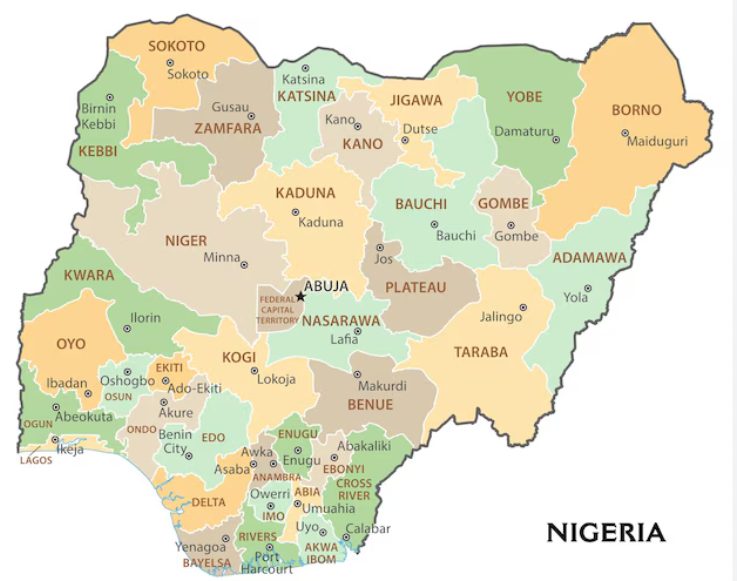
Nigeria is made up of 36 states with vast differences in size, geography, and population. Among them, questions about the largest states in Nigeria and the biggest state in Nigeria are some of the most searched and widely debated, especially by students, researchers, investors, and policy observers.
Understanding how Nigerian states compare in size and population provides valuable insight into regional development, infrastructure planning, and demographic trends across the country. It also helps clarify why some states dominate in land coverage while others lead in human concentration and economic activity.
This guide presents a clear, well-structured ranking of the top 10 largest states in Nigeria, based on widely recognized measurements, using accurate data and objective analysis to ensure clarity, credibility, and ease of understanding.
So if this is what you are looking for, grab a seat, relax, and continue reading as we explore!
Or are you in haste? You can make use of the links below to jump to the section that interest you!
- How “Largest” and “Biggest” Are Measured in Nigeria
- Top 10 Largest States in Nigeria by Land Area
- Top 10 Biggest States in Nigeria by Population
- Frequently Asked Questions About the Largest State in Nigeria
- Largest State in Nigeria: Final Thoughts
How “Largest” and “Biggest” Are Measured in Nigeria
In Nigeria, the terms “largest” and “biggest” are commonly used interchangeably, but in factual comparisons, they can refer to different measurements depending on context. To avoid ambiguity, authoritative rankings rely on clearly defined criteria.
The most widely accepted way to determine the largest states in Nigeria is by land area, which measures the total geographical space a state occupies, usually expressed in square kilometres (km²). This approach is commonly used in geography, planning, and official records because it reflects physical size without influence from human activity.
On the other hand, the biggest state in Nigeria may also be interpreted based on population size, which accounts for the number of people living within a state. Population figures are essential for understanding economic activity, urban development, political representation, and resource allocation.
Because land area and population measure entirely different aspects of size, a state can rank very high in one category and much lower in the other. For this reason, a complete and accurate comparison of Nigeria’s states considers both land area and population, using each metric within its proper context.
The good news is that this article is designed to serve both purposes. Whether you are looking for the largest state in Nigeria by landmass or the biggest state in Nigeria by population, we’ve got you covered. Let’s first start with the largest based on land mass!
Also Check: Top 10 Biggest Local Governments in Akwa Ibom State
Top 10 Largest States in Nigeria by Land Area
1. Niger State
(Largest State in Nigeria by Land Area)
Niger State is widely recognized as the largest state in Nigeria by land area, occupying a vast stretch of land in the North Central region. Its size alone sets it apart from all other Nigerian states, making it a key reference point whenever discussions arise about the biggest state in Nigeria by land mass.
The state’s expansive territory spans multiple ecological zones, dominated by open savannah, river basins, and fertile plains. Niger State is traversed by major rivers, including the River Niger itself, which significantly influences settlement patterns, agriculture, and land use across the state. Due to its enormous geographical coverage, many of its local government areas are physically larger than entire states in southern Nigeria.
Niger State’s land mass supports large-scale farming, hydroelectric power generation, and natural resource exploitation. The presence of extensive undeveloped land also makes it one of the most geographically strategic states in the country for long-term infrastructure and agricultural expansion.
Niger State Overview
- Year Established: 1976
- Location: North Central Nigeria
- Approx. Area (km²): 76,363
- Capital: Minna
- Major Towns/Areas: Bida, Suleja, Kontagora, Lapai, New Bussa
- Economic Activities: Agriculture, hydroelectric power generation, fishing, livestock rearing
- Notable Features: River Niger, Kainji Dam, Shiroro Dam, vast arable land
2. Borno State
(Second Largest State in Nigeria by Land Area)
Borno State ranks among the largest states in Nigeria by land area, covering a massive portion of the North East region. Its physical size places it firmly as the second biggest state in Nigeria by land mass, after Niger State.
Geographically, Borno State is defined by its wide expanse of savannah and semi-arid terrain, stretching to Nigeria’s northeastern borders. The state shares international boundaries with three countries, a factor that contributes to its broad territorial spread and strategic geographic importance. Large portions of the state consist of open land, grasslands, and desert-fringe zones, emphasizing its vastness.
The enormous land area of Borno State supports agriculture, animal husbandry, and cross-border trade. Its size also explains the wide distribution of settlements and the logistical challenges associated with governance and infrastructure across the state’s territory.
Borno State Overview
- Year Established: 1976
- Location: North East Nigeria
- Approx. Area (km²): 70,898
- Capital: Maiduguri
- Major Towns/Areas: Biu, Monguno, Ngala, Gwoza, Dikwa
- Economic Activities: Agriculture, livestock rearing, fishing, cross-border trade
- Notable Features: Lake Chad Basin, extensive savannah land, international borders
3. Taraba State
(Third Largest State in Nigeria by Land Area)
Taraba State also ranks among the largest states in Nigeria by land area, occupying a vast stretch of land in the North East region. Its sheer size and diverse terrain make it one of the most geographically distinctive states in the country and a regular mention in discussions about the biggest states in Nigeria by land mass.
The state is characterized by a combination of savannah plains, river valleys, and mountainous landscapes. Taraba State is home to some of Nigeria’s most prominent natural elevations, which significantly influence land use and settlement patterns. Its extensive land coverage accommodates a wide range of agricultural activities, with large portions remaining sparsely developed due to its rugged terrain.
Taraba’s enormous land area also contributes to its ecological diversity, supporting forestry, farming, and natural conservation zones. The state’s physical size plays a crucial role in its agricultural potential and strategic importance within the region.
Taraba State Overview
- Year Established: 1991
- Location: North East Nigeria
- Approx. Area (km²): 54,473
- Capital: Jalingo
- Major Towns/Areas: Wukari, Bali, Gembu, Takum, Mutum Biyu
- Economic Activities: Agriculture, forestry, livestock rearing
- Notable Features: Mambilla Plateau, mountainous terrain, extensive river systems
Also Check: Top 10 Biggest Local Governments in Delta State
4. Kaduna State
(Fourth Largest State in Nigeria by Land Area)
Kaduna State is no doubt among the largest states in Nigeria by land area. The start covers a substantial portion of the North West region. Its large geographical size places it firmly among the biggest states in Nigeria by land area, giving it significant physical presence within the country.
The state’s land mass consists mainly of vast savannah plains intersected by river systems and rolling highlands. Kaduna State’s expansive territory allows for diverse land use, including large-scale agriculture, settlement expansion, and infrastructure development. The state’s central location within northern Nigeria further enhances the importance of its size in terms of connectivity and regional influence.
Kaduna State’s extensive land coverage supports a wide range of economic and developmental activities, making its physical size a key factor in its historical and administrative relevance within Nigeria.
Kaduna State Overview
- Year Established: 1967
- Location: North West Nigeria
- Approx. Area (km²): 46,053
- Capital: Kaduna
- Major Towns/Areas: Zaria, Kafanchan, Zonkwa, Birnin Gwari, Saminaka
- Economic Activities: Agriculture, manufacturing, trade
- Notable Features: Kaduna River, vast savannah plains, strategic transport routes
5. Bauchi State
(Fifth Largest State in Nigeria by Land Area)
Bauchi State occupies a broad stretch of land in Nigeria’s North East, placing it among the largest states in Nigeria by land area. Its physical size gives it a strong geographical presence, with landscapes that extend across open plains, rolling hills, and river valleys.
The state’s vast land coverage allows for extensive agricultural use, particularly across its fertile plains. Bauchi State also contains portions of protected land and natural reserves, reflecting how its size supports both economic activity and environmental conservation. The wide distribution of settlements across the state further emphasizes the scale of its territory.
Because of its large land mass, Bauchi State plays a notable role in regional agriculture and land-based industries, reinforcing its position among the biggest states in Nigeria by land area.
Bauchi State Overview
- Year Established: 1976
- Location: North East Nigeria
- Approx. Area (km²): 49,119
- Capital: Bauchi
- Major Towns/Areas: Azare, Misau, Jama’are, Ningi, Alkaleri
- Economic Activities: Agriculture, mining, livestock rearing
- Notable Features: Yankari Game Reserve, expansive plains, natural wildlife habitats
6. Yobe State
(Sixth Largest State in Nigeria by Land Area)
Yobe State can not be left out of the largest states in Nigeria by land area. The state covers a substantial portion of the northeastern corridor of the country. Its territory stretches across predominantly semi-arid land, reflecting the state’s expansive physical footprint.
The geography of Yobe State is largely defined by open savannah and dry landscapes, with long distances separating many communities. This wide land distribution highlights the state’s significant size and the logistical realities of managing such a vast territory. Large areas of land remain undeveloped, reinforcing Yobe’s standing among the largest states in Nigeria by land mass.
Yobe State’s physical scale supports agriculture adapted to dry conditions, livestock rearing, and trade routes that traverse its extensive land area.
Yobe State Overview
- Year Established: 1991
- Location: North East Nigeria
- Approx. Area (km²): 45,502
- Capital: Damaturu
- Major Towns/Areas: Potiskum, Gashua, Nguru, Geidam, Machina
- Economic Activities: Agriculture, livestock rearing, trade
- Notable Features: Semi-arid terrain, expansive savannah, seasonal river systems
Also Check: Top 10 Largest Local Governments in Edo State by Land Area
7. Zamfara State
(Seventh Largest State in Nigeria by Land Area)
Zamfara State occupies a sizeable portion of northwestern Nigeria, placing it among the largest states in Nigeria by land area. Although smaller than some of the states ranked above it, Zamfara’s territorial coverage is still extensive, with wide stretches of open land defining much of its physical landscape.
The state’s land mass is largely composed of savannah plains interspersed with rocky outcrops and river valleys. These features influence how land is utilized across Zamfara State, supporting agriculture, grazing, and small-scale mining activities. The broad distribution of rural communities across the state further reflects the scale of its geographic size.
Zamfara State’s land area contributes significantly to its economic base, particularly in agriculture and mineral exploration, reinforcing its position among the biggest states in Nigeria by land mass.
Zamfara State Overview
- Year Established: 1996
- Location: North West Nigeria
- Approx. Area (km²): 39,762
- Capital: Gusau
- Major Towns/Areas: Kaura Namoda, Talata Mafara, Anka, Bakura, Maru
- Economic Activities: Agriculture, mining, livestock rearing
- Notable Features: Gold deposits, savannah terrain, extensive rural land
8. Adamawa State
(Eighth Largest State in Nigeria by Land Area)
Adamawa State ranks number eight among the largest states in Nigeria by land area. The state stretches across a diverse geographical zone in the North East. Its wide territorial coverage includes plains, river basins, and highland areas, giving the state a varied physical landscape.
The state’s expansive land area supports extensive farming and grazing activities, with large tracts of land devoted to agriculture. Adamawa State’s geography also includes mountainous regions and river systems that shape land use patterns across the state. These features underline the importance of land size in the state’s economic and environmental structure.
Adamawa State Overview
- Year Established: 1991
- Location: North East Nigeria
- Approx. Area (km²): 36,917
- Capital: Yola
- Major Towns/Areas: Mubi, Numan, Jimeta, Ganye, Gombi
- Economic Activities: Agriculture, fishing, livestock rearing
- Notable Features: Benue River, Mandara Mountains, fertile river valleys
9. Kwara State
(Ninth Largest State in Nigeria by Land Area)
Kwara State also merits the list of the top 10 largest states in Nigeria. The state occupies a broad stretch of land in Nigeria’s North Central region, forming a natural transition zone between the northern and southern parts of the country. Its territorial size allows for a mix of landscapes, including open plains, river valleys, and gently rolling terrain.
The state’s land coverage supports extensive agricultural activity, particularly crop farming and livestock rearing. Large rural areas dominate Kwara State, with settlements spread across long distances. This physical spread influences infrastructure planning, land management, and economic development within the state.
Kwara State’s size also gives it strategic relevance, as its land mass accommodates transport corridors linking different regions of Nigeria.
Kwara State Overview
- Year Established: 1967
- Location: North Central Nigeria
- Approx. Area (km²): 36,825
- Capital: Ilorin
- Major Towns/Areas: Offa, Omu-Aran, Jebba, Patigi, Lafiagi
- Economic Activities: Agriculture, trade, agro-processing
- Notable Features: River Niger corridor, fertile agricultural land, regional connectivity
10. Kebbi State
(Tenth Largest State in Nigeria by Land Area)
Kebbi State completes the list of the top 10 largest states in Nigeria in terms of land coverage. Situated in the northwestern part of the country, the state is defined by wide plains and river systems that shape both settlement and land use.
Much of Kebbi State’s land is devoted to agriculture, supported by its flat terrain and access to water resources. The presence of major rivers enhances farming and fishing activities, while vast rural areas emphasize the scale of its territory. The state’s land area plays a central role in food production and land-based livelihoods.
Kebbi State’s extensive territory also contributes to cross-border interaction and regional trade, reflecting the practical importance of land size in economic activities.
Kebbi State Overview
- Year Established: 1991
- Location: North West Nigeria
- Approx. Area (km²): 36,800
- Capital: Birnin Kebbi
- Major Towns/Areas: Argungu, Yauri, Zuru, Koko, Jega
- Economic Activities: Agriculture, fishing, trade
- Notable Features: River Niger floodplains, Argungu Fishing Festival, wide arable land
Also Check: Top 10 Largest Local Governments in Kaduna State: A Full Breakdown
Comparison Table of the Largest States in Nigeria by Land Area
The table below compares the top 10 largest states in Nigeria based solely on land area, ranked from the largest to the smallest.
| Rank | State | Approx. Land Area (km²) | Capital | Geopolitical Zone |
|---|---|---|---|---|
| 1 | Niger State | 76,363 | Minna | North Central |
| 2 | Borno State | 70,898 | Maiduguri | North East |
| 3 | Taraba State | 54,473 | Jalingo | North East |
| 4 | Kaduna State | 46,053 | Kaduna | North West |
| 5 | Bauchi State | 49,119 | Bauchi | North East |
| 6 | Yobe State | 45,502 | Damaturu | North East |
| 7 | Zamfara State | 39,762 | Gusau | North West |
| 8 | Adamawa State | 36,917 | Yola | North East |
| 9 | Kwara State | 36,825 | Ilorin | North Central |
| 10 | Kebbi State | 36,800 | Birnin Kebbi | North West |
So, those are the top 10 largest starts in Nigeria by landmass. Let’s now move to the largest in terms of popluation!
Also Check: Top 10 Largest Local Governments in Adamawa State
Top 10 Biggest States in Nigeria by Population
While land size explains physical spread, population reflects human concentration, urban development, and economic activity. Just as we previously stated, states with smaller land areas can rank much higher by population due to urbanization, migration, and industrial growth.
This section ranks the top 10 largest states in Nigeria based on estimated population figures, using widely cited demographic data and projections. The focus here is strictly on population size, not land coverage or density, to maintain clarity and accuracy.
1. Lagos State
(The Biggest State in Nigeria by Population)
Lagos State ranks first in Nigeria in terms of population, driven primarily by rapid urbanization and its role as the country’s major economic hub. Despite its relatively small physical size, the state accommodates millions of residents due to intense commercial activity, employment opportunities, and continuous migration from other parts of the country.
Population growth in Lagos is largely concentrated in metropolitan areas, with residential, commercial, and industrial zones tightly clustered. The state’s coastal location, ports, and strong private-sector presence have made it a magnet for both domestic and international movement, resulting in one of the highest population concentrations in Africa.
The scale of human activity in Lagos has shaped its infrastructure, housing patterns, and transport systems, making population management a central planning concern for the state.
Lagos State Population Overview
- Year Established: 1967
- Location: South West Nigeria
- Estimated Population: Over 20 million (metro and urban concentration)
- Capital: Ikeja
- Major Urban Areas: Ikeja, Lekki, Surulere, Alimosho, Victoria Island
- Key Population Drivers: Commerce, industry, ports, services
- Notable Characteristics: Extreme urban density, migration-driven growth
2. Kano State
(The Second Biggest State in Nigeria by Populated)
Kano State ranks second nationally by population and is the most populous state in northern Nigeria. Its large population is rooted in centuries of settlement, trade, and agricultural activity, long before modern population counts began.
The state’s population is spread across both urban and rural areas, with Kano city serving as a major historical and commercial center. High fertility rates, long-established communities, and economic activity in trade and manufacturing have sustained steady population growth over time.
Unlike states where population growth is driven mainly by migration, Kano’s numbers reflect deep demographic roots and continuous natural increase, reinforcing its long-standing position among Nigeria’s most populated states.
Kano State Population Overview
- Year Established: 1967
- Location: North West Nigeria
- Estimated Population: Over 15 million
- Capital: Kano
- Major Population Centers: Kano city, Wudil, Rano, Bichi, Gaya
- Key Population Drivers: Trade, agriculture, manufacturing
- Notable Characteristics: Long-established settlements, historic commercial influence
3. Katsina State
(The Third Biggest State in Nigeria by Population)
Katsina State ranks as one of the most densely populated states in northern Nigeria. Its population has grown steadily over the years due to a combination of high fertility rates and historical settlement patterns. While its land area is smaller than some northern neighbors, the state’s demographic density reflects long-established communities and vibrant local economies.
The population is distributed across numerous towns and villages, with Katsina city serving as the administrative and commercial hub. Agriculture remains a major occupation, supporting large families and contributing to sustained population growth. Education and commerce have also attracted people from surrounding areas, reinforcing Katsina State’s place among Nigeria’s most populous regions.
Katsina State Population Overview
- Year Established: 1987
- Location: North West Nigeria
- Estimated Population: over nine million
- Capital: Katsina
- Major Population Centers: Katsina city, Daura, Funtua, Malumfashi, Kafur
- Key Population Drivers: Agriculture, trade, education
- Notable Characteristics: Dense rural settlements, strong cultural heritage
Also Check: The Richest Local Government in Cross River State: Top 10 Richest, Economy, and What Makes Them Wealthy
4. Kaduna State
(The Fourth Biggest State in Nigeria By Population)
Kaduna State, in addition to its significant land area, also ranks highly by population. Its demographic strength stems from a combination of urban concentration in Kaduna city and widespread settlements across the state’s many local government areas. Kaduna city is a key educational and industrial hub, attracting residents from surrounding states and beyond.
Population growth in Kaduna is influenced by its strategic location in northern Nigeria, historical trade routes, and educational institutions. While the state’s land mass gives it physical prominence, it is the urban-rural population mix that makes Kaduna a central demographic player in the country.
Kaduna State Population Overview
- Year Established: 1967
- Location: North West Nigeria
- Estimated Population: 8,324,285
- Capital: Kaduna
- Major Population Centers: Kaduna city, Zaria, Kafanchan, Birnin Gwari, Saminaka
- Key Population Drivers: Education, industry, trade
- Notable Characteristics: Urbanized centers, educational institutions, industrial hubs
5. Bauchi State
(The Fifth Most Populated State in Nigeria)
Bauchi State ranks among Nigeria’s most populated states due to its long-established settlements and widespread rural communities. Population growth in the state is largely supported by agriculture-based livelihoods, with many families residing in farming towns and villages spread across the state.
The population is not concentrated in a single metropolitan area but distributed across several towns, which has influenced settlement patterns and local governance. Bauchi city functions as the administrative center, while other towns play important roles in trade and agriculture. This broad distribution contributes to Bauchi State’s high population figure within the national ranking.
Bauchi State Population Overview
- Year Established: 1976
- Location: North East Nigeria
- Estimated Population: Over 7 Million
- Capital: Bauchi
- Major Population Centers: Bauchi, Azare, Misau, Jama’are, Ningi
- Key Population Drivers: Agriculture, trade, rural settlements
- Notable Characteristics: Widely dispersed population, strong farming communities
6. Oyo State
(Sixth Most Populated State in Nigeria)
Oyo State stands out as one of the most populated states in southern Nigeria, supported by a mix of urban expansion and long-standing settlements. Ibadan, the state capital, is one of the largest cities in Africa by land area and serves as the primary population center within the state.
The state’s population growth is driven by commerce, education, and its strategic location within the South West region. Oyo State hosts numerous tertiary institutions and commercial hubs, which continue to attract residents from neighboring states. The balance between urban centers and surrounding towns contributes significantly to its large population size.
Oyo State Population Overview
- Year Established: 1976
- Location: South West Nigeria
- Estimated Population: Over 7 Million
- Capital: Ibadan
- Major Population Centers: Ibadan, Ogbomosho, Oyo, Iseyin, Saki
- Key Population Drivers: Commerce, education, urban development
- Notable Characteristics: Large urban population, educational concentration
Also Check: The Richest Local Government in Taraba State: Top 5 Richest & Their Economic Powerhouses
7. Anambra State
(The Seventh Biggest State in Nigeria by Population)
Anambra State is one of the most densely inhabited states in southeastern Nigeria. Despite its relatively small land area, the state supports a large population due to long-established towns, strong commercial networks, and high levels of internal migration within the region.
Population concentration in Anambra is spread across numerous urban and semi-urban centers rather than a single dominant city. Commercial activities, entrepreneurship, and trading hubs play a major role in sustaining population growth, with many residents engaged in business across the state and beyond. This pattern of settlement has made Anambra one of the most demographically significant states in the South East.
Anambra State Population Overview
- Year Established: 1991
- Location: South East Nigeria
- Estimated Population: Over 7 Million
- Capital: Awka
- Major Population Centers: Onitsha, Nnewi, Awka, Ekwulobia, Ihiala
- Key Population Drivers: Commerce, entrepreneurship, trade
- Notable Characteristics: High settlement density, strong commercial culture
8. Rivers State
(The Eighth Biggest State in Nigeria by Population)
Rivers State ranks among Nigeria’s most populated states, driven largely by its status as a major industrial and economic center in the Niger Delta. Port Harcourt, the state capital, attracts residents from across the country due to employment opportunities in oil and gas, manufacturing, and related services.
Population growth in Rivers State is heavily influenced by urban and industrial concentration. While coastal and riverine areas are less densely settled, the metropolitan zone around Port Harcourt accounts for a significant share of the state’s population. This economic-driven settlement pattern distinguishes Rivers State from agriculturally dominated population centers.
Rivers State Population Overview
- Year Established: 1967
- Location: South South Nigeria
- Estimated Population: 7,234,973
- Capital: Port Harcourt
- Major Population Centers: Port Harcourt, Obio-Akpor, Bonny, Ahoada, Okrika
- Key Population Drivers: Oil and gas, industry, urban employment
- Notable Characteristics: Industrial urban population, economic migration
9. Jigawa State
(Ninth Most Populated State in Nigeria)
Jigawa State records one of the highest population figures in northern Nigeria, supported by a largely rural settlement pattern and agriculture-based livelihoods. The population is spread across numerous towns and villages, with many residents engaged in farming and related activities.
Population growth in Jigawa State is sustained by long-standing settlement structures and family-based communities. While the state does not have a dominant metropolitan city, the collective population of its towns contributes significantly to its national ranking. This dispersed but sizeable population highlights the demographic importance of rural states within Nigeria.
Jigawa State Population Overview
- Year Established: 1991
- Location: North West Nigeria
- Estimated Population: Over 6 million
- Capital: Dutse
- Major Population Centers: Dutse, Hadejia, Gumel, Ringim, Kazaure
- Key Population Drivers: Agriculture, rural settlements
- Notable Characteristics: Predominantly rural population, widespread communities
10. Niger State
(The Tenth Biggest State in Nigeria By Population)
Niger State completes the list of Nigeria’s ten most populated states. Although widely known for its vast land coverage, the state also supports a large population spread across numerous local government areas and rural settlements.
The population of Niger State is distributed across towns and farming communities, reflecting its agrarian economy. Minna serves as the main administrative and population center, while other towns contribute steadily to the state’s overall demographic profile. The contrast between extensive land coverage and moderate population levels is a defining characteristic of the state’s settlement pattern.
Niger State Population Overview
- Year Established: 1976
- Location: North Central Nigeria
- Estimated Population: Over 6 million
- Capital: Minna
- Major Population Centers: Minna, Bida, Suleja, Kontagora, Lapai
- Key Population Drivers: Agriculture, rural settlements
- Notable Characteristics: Widely dispersed population across large territory
Also Check: Top 10 Richest Local Governments in Enugu State (Latest Update)
Comparison Table of the Largest States in Nigeria by Population
The table below ranks the top 10 largest states in Nigeria strictly by estimated population size, providing a clear comparison of where people are most concentrated across the country. Land area and population density are intentionally excluded here to maintain focus.
| Rank | State | Estimated Population | Capital | Geopolitical Zone |
|---|---|---|---|---|
| 1 | Lagos State | 20,000,000+ | Ikeja | South West |
| 2 | Kano State | 16,000,000+ | Kano | North West |
| 3 | Katsina State | 9,300,382 | Katsina | North West |
| 4 | Kaduna State | 8,324,285 | Kaduna | North West |
| 5 | Bauchi State | 7,540,663 | Bauchi | North East |
| 6 | Oyo State | 7,512,855 | Ibadan | South West |
| 7 | Anambra State | 7,299,910 | Awka | South East |
| 8 | Rivers State | 7,234,973 | Port Harcourt | South South |
| 9 | Jigawa State | 6,979,080 | Dutse | North West |
| 10 | Niger State | 6,720,617 | Minna | North Central |
Also Check: Top 10 Richest Local Governments in Plateau State: Discover the Wealthiest Areas Today
Frequently Asked Questions About the Largest States in Nigeria
Which State Is the Smallest in Nigeria?
The smallest state in Nigeria depends on how “smallest” is measured.
- By land area: Lagos State is the smallest state in Nigeria, covering approximately 3,577 km².
- By population: Bayelsa State is the least populated state, with a relatively small population compared to other states.
This distinction explains why Lagos, despite being the smallest by land size, is also the most populated.
Which Is the Poorest State in Nigeria?
There is no single, permanent answer to this question, as poverty rankings change based on methodology and time. However, based on poverty incidence reports and development indicators, states such as Sokoto, Taraba, and Zamfara are often cited among those with the highest poverty rates.
These rankings typically consider access to education, healthcare, income levels, and basic services rather than total economic output.
Which Is the Richest State in Nigeria?
When measured by economic output (GDP) and commercial activity, Lagos State is widely regarded as the richest state in Nigeria. It has the largest internally generated revenue (IGR) and serves as the country’s main financial and business hub.
Other economically strong states include Rivers State and Ogun State, largely due to industrial activity and natural resources.
Which State Is the Cleanest State in Nigeria?
There is no official national ranking for the cleanest state. However, Akwa Ibom State is frequently mentioned due to:
- Organized urban planning
- Regular environmental sanitation
- Well-maintained public spaces
Cleanliness often depends on local governance policies and enforcement, rather than state size or population.
What’s the Safest State in Nigeria?
Safety levels vary over time and by location within states. That said, states such as Ekiti, Osun, and Ondo are often perceived as relatively safer, based on lower crime reports and community policing structures.
It’s important to note that no state is entirely risk-free, and security conditions can change.
What Is the Most Stressful State in Nigeria?
Lagos State is commonly described as the most stressful state due to:
- Heavy traffic congestion
- High cost of living
- Fast-paced urban lifestyle
- Dense population
While Lagos offers economic opportunities, the pressure of daily life can be challenging for many residents.
What Is the Cheapest State to Live in Nigeria?
States with lower housing costs and general living expenses are often considered more affordable. States frequently cited as cheaper to live in include:
- Benue State
- Kogi State
- Nasarawa State
- Taraba State
Cost of living can still vary widely within each state, depending on whether one lives in urban or rural areas.
Also Check: The Richest Local Government in Kogi State: Top 10 Richest & Key Facts
Largest States in Nigeria: Final Thoughts
Understanding the largest states in Nigeria by land area and which rank highest by population provides a clearer picture of how the country is structured geographically and demographically. As this guide has shown, physical size and population do not always align. Some states occupy vast stretches of land with widely spread communities, while others concentrate millions of people within relatively small spaces.
These differences influence everything from development planning and infrastructure to economic activity and daily living conditions. For researchers, students, investors, and anyone seeking accurate information, looking at both the largest states in Nigeria by land area and population offers a more balanced and realistic understanding of Nigeria’s states.
It’s also important to note that figures and rankings can change over time due to population growth, administrative updates, and improved data collection. If you notice any discrepancies or have additional insights, we welcome your feedback so this guide can remain accurate and up to date.
Join The Discussion